


Reviewing the existing codebase, if there is one. Mapping target platforms and engine constraints. Identifying what needs to be built from scratch versus adapted. Output: a technical specification both teams agree on before any engineering work begins.
Game Engineering Services
We help studios and publishers build the technical foundations their games run on, from gameplay systems to backend infrastructure.
Custom Game Engineering Solutions
Game engineering covers everything between a game concept and a shippable product: the systems, infrastructure, and tooling that decide whether a design actually works the way it was meant to. Innovecs Games delivers these game engineering services to B2B studios and publishers across PC, console, and mobile.
Why studios outsource this work
Our engineers work in Unity, Unreal Engine, C++, and C#, and have shipped across enough genres and platforms to know where early technical decisions cause problems downstream. Software engineering in game development isn't a generic discipline. The constraints are specific, the tooling is specific, and your team needs the track record to back it up.
If you need game engineering expertise embedded in your pipeline, or running a full workstream independently, we scope to fit.
If you need game engineering expertise embedded in your pipeline, or running a full workstream independently, we scope to fit.
Specialist depth.
Engine and backend expertise they don't have in-house.
Faster scaling.
Hiring takes months. A partner team starts now.
Defined ownership.
One workstream, one accountable team, no added management layer.
Our Game Engineering Services
We cover the full engineering stack in-house: no subcontracting, no handoffs to teams who weren't part of the original conversation.

Gameplay Systems Engineering
Where design meets the engine. Combat mechanics, AI systems, physics systems, input handling, progression systems. Built to hold up under real player behavior, not just the design doc. If the doc says one thing and the implementation says another, that's an engineering problem. We work close enough with design teams to catch those gaps before they compound.

Engine Programming and Customization
When off-the-shelf isn't enough. Engine-level programming and customization in Unity, Unreal Engine, and proprietary engines. Rendering pipeline work, shader development, and editor tooling that makes the rest of the team faster. If your project needs the engine to do something it doesn't do out of the box, that's our problem to solve.
Backend and Server Engineering
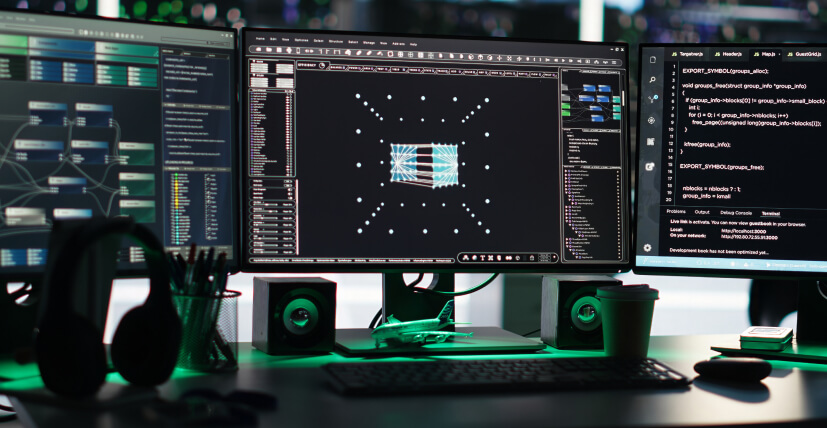
Infrastructure that scales with launch, not against it. Backend APIs, dedicated server architecture, real-time multiplayer systems, matchmaking, leaderboards, cloud gaming infrastructure on AWS GameLift and equivalent platforms. Built for multiplayer titles, live service games, and anything with persistent player data. Tested against launch traffic, not just pre-launch estimates.
AI and ML Integration
AI built into the pipeline, not bolted onto it. ML models for NPC AI, adaptive difficulty, player behavior analytics, and procedural generation. From systems architecture through training and deployment, we build models that run within the performance envelope the game can actually afford. No black-box handoffs. Your team sees how the model was trained and why it makes the calls it does.
Performance Engineering and Optimization
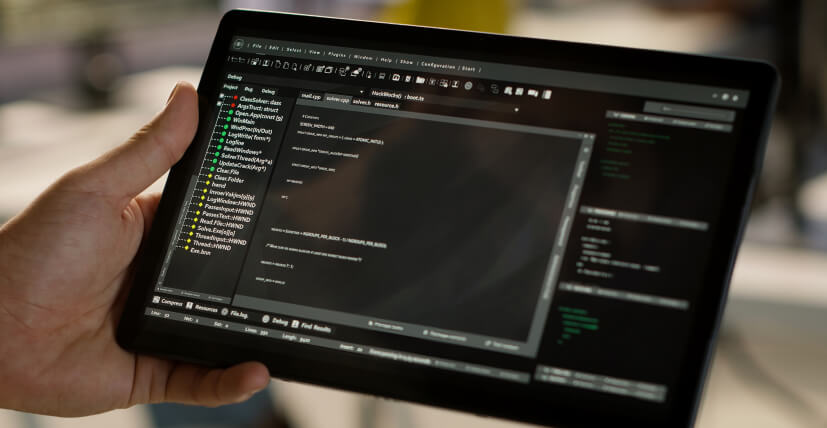
Problems found early cost less to fix. Performance profiling, memory management audits, frame rate analysis, and GPU optimization across PC, console, and mobile builds. Our engineers work inside the production build, not a separate test environment. The findings reflect actual shipping conditions.
Tools and Pipeline Development
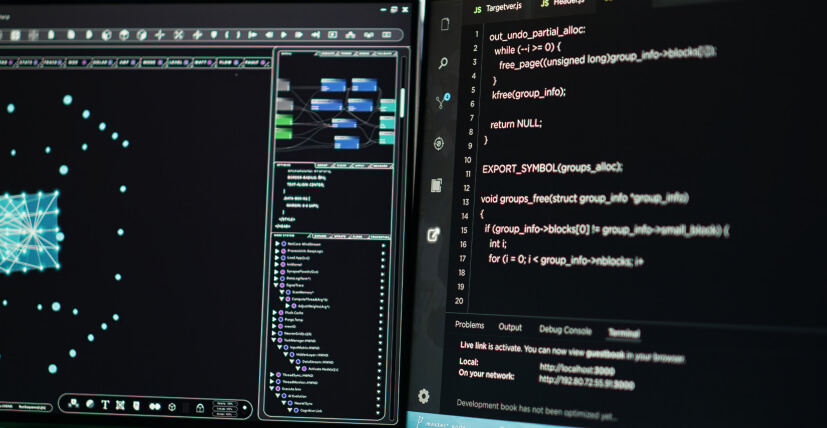
Better tooling, faster production. Editor tools, asset pipeline automation, CI/CD pipelines, and DevOps infrastructure for games. If something's being done by hand that shouldn't be, that's usually worth fixing before it compounds across a full production cycle. Small pipeline fixes early tend to save whole sprints later. We look for those before they get expensive.
Co-Development and Staff Augmentation
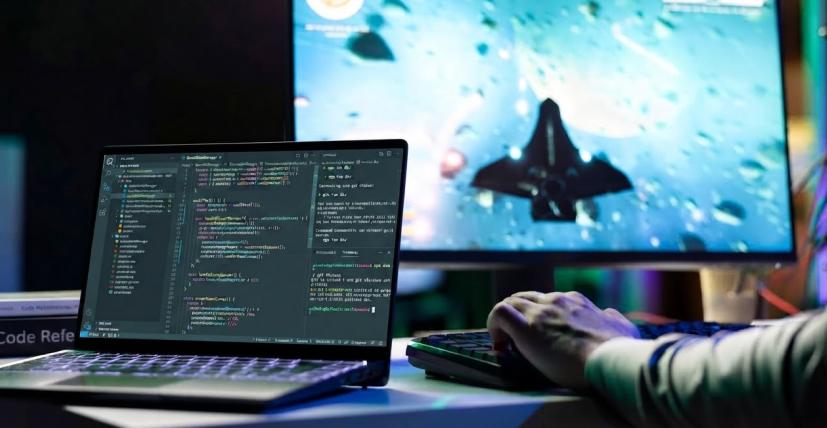
Full team or targeted expertise. Your call. Game co-development gives you defined workstream ownership and full pipeline integration. Staff augmentation places individual engineers directly into your team structure. Choosing to game engineering outsource a single workstream doesn't mean losing control of it: game development outsourcing at this level means aligning to your process, not the other way around.


Core Technical Stack
The languages, engines, platforms, and infrastructure that real software engineering in game development runs on, without the ramp-up time of building a team from scratch.
C++ and C# Game Programming
The two languages most production game engineering runs on. Gameplay systems, engine programming, tools development, backend services: our engineers work in both.
Load more
AI-Powered Game Engineering
AI-driven game systems are close to a baseline expectation now, not a differentiator. We build AI-powered game engineering into the pipeline from the start, not bolted on after launch.
Adaptive NPC logic
Responds to how a player actually plays, not a fixed difficulty curve.
Procedural content generation
Levels, encounters, and assets too expensive to hand-author at scale.
Player behavior analytics
Feeds back into design decisions, not a dashboard nobody checks.
ML integration and deployment
Training pipelines and models that run within the performance envelope the game can actually afford.
Architecture decisions stay with our engineers. AI handles the parts of the workload where it adds speed without adding risk.
How We Deliver Game Engineering Projects
Here's what the game engineering process looks like, from first conversation to post-launch.





Prototyping and Technical Validation
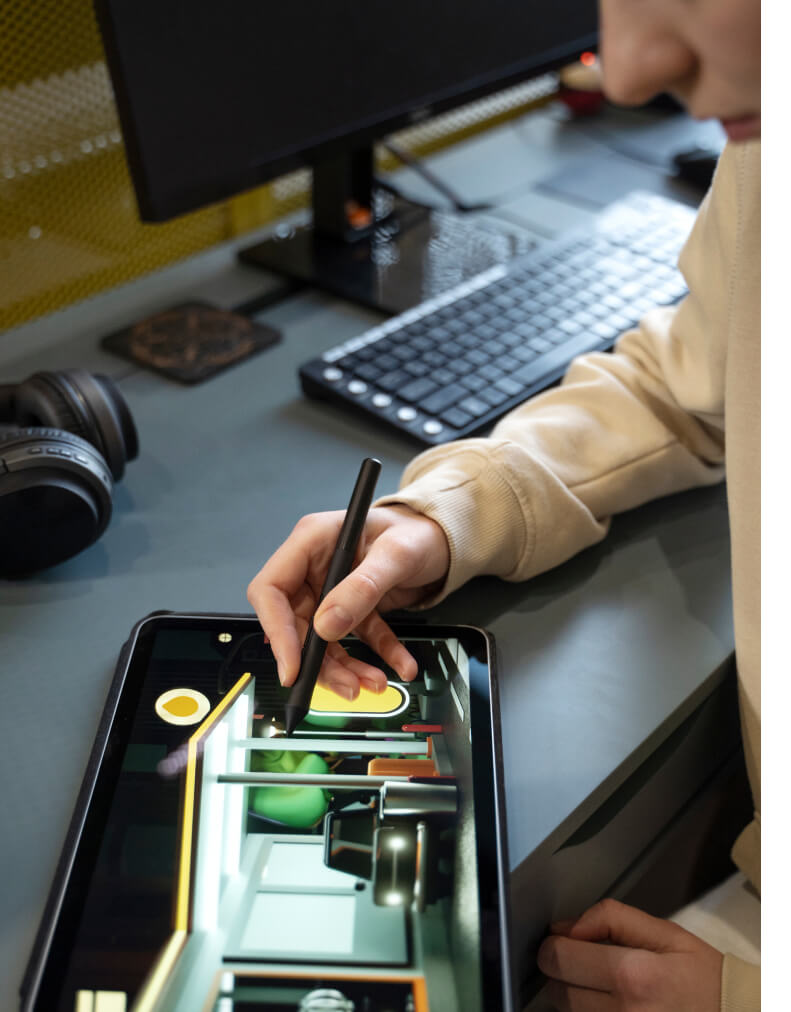
We prototype the highest-risk systems first. Game prototyping at this stage isn't about feature completeness. It's about proving the core technical assumptions hold before the production schedule depends on them.

Full-Cycle Engineering and Development
Defined workstreams, clear milestones, regular code reviews, build stability tracked throughout. We flag technical risks early, rather than carrying them forward into phases where they cost more to fix. You get visibility into progress the whole way through, not just a status update at the end of the sprint.

QA and Performance Testing
Functional QA, performance profiling, memory management audits, and platform certification testing. Running in parallel with active development, not just at the end, so issues surface while there's still time to fix them properly.
Launch and Integration Support
Final platform certification builds, integration with third-party services, and the engineering work that typically compresses in the final weeks of a production. Launch readiness is built into the process from the start.

Live Ops and Post-Launch Engineering
Hotfixes, performance monitoring, backend scaling, and feature updates. If the game has an ongoing roadmap, we staff and scope the engineering support accordingly.
Why Choose Innovecs Games for Game Engineering
We've worked across enough productions to know where game engineering engagements go wrong. Here's what we do differently.

Trusted by
Industry Leaders
Industry Leaders

Our Work
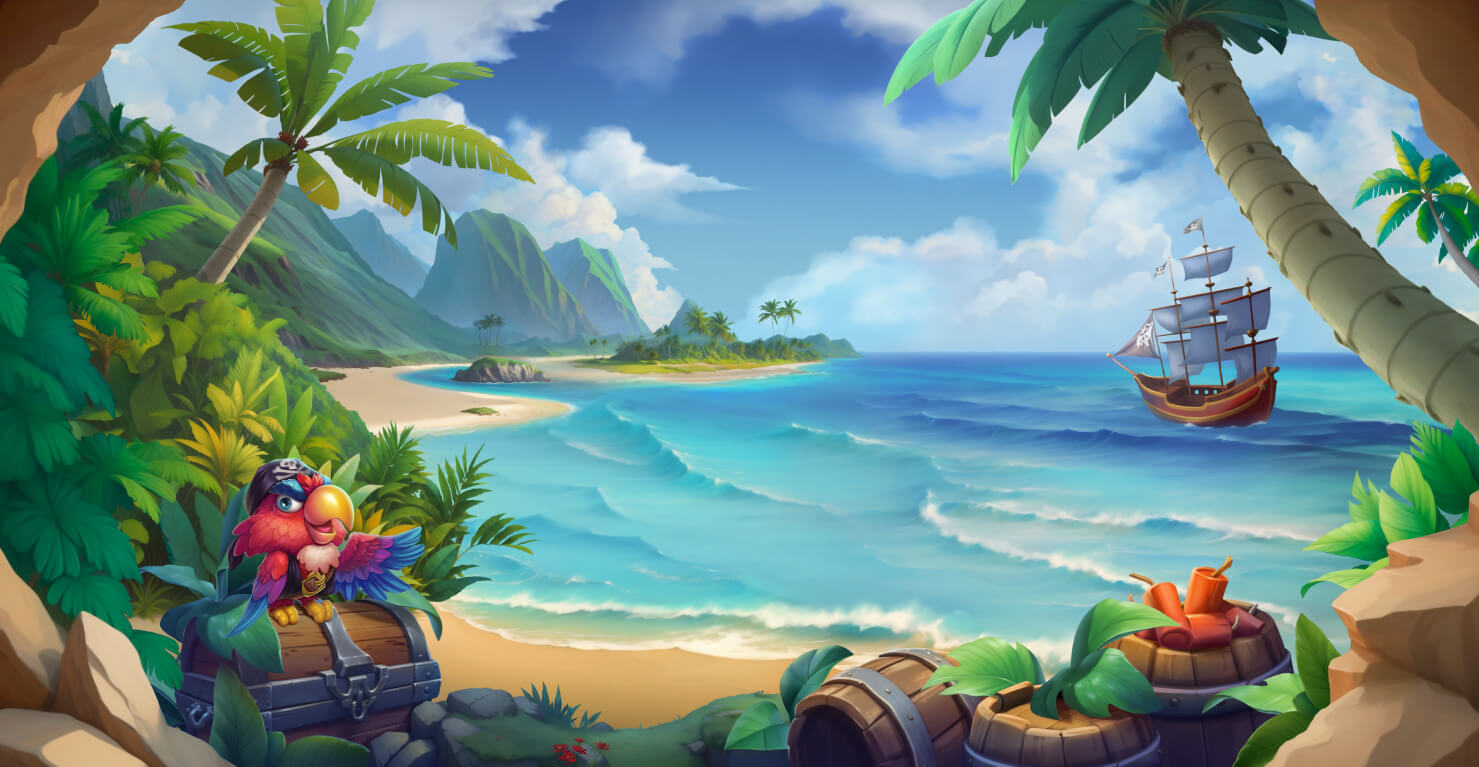
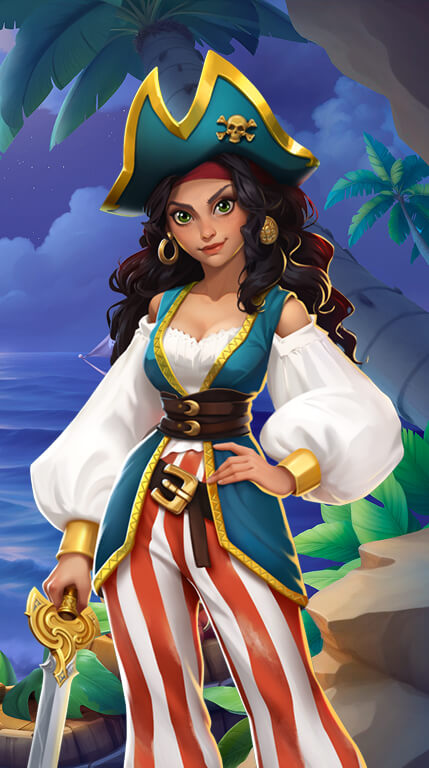
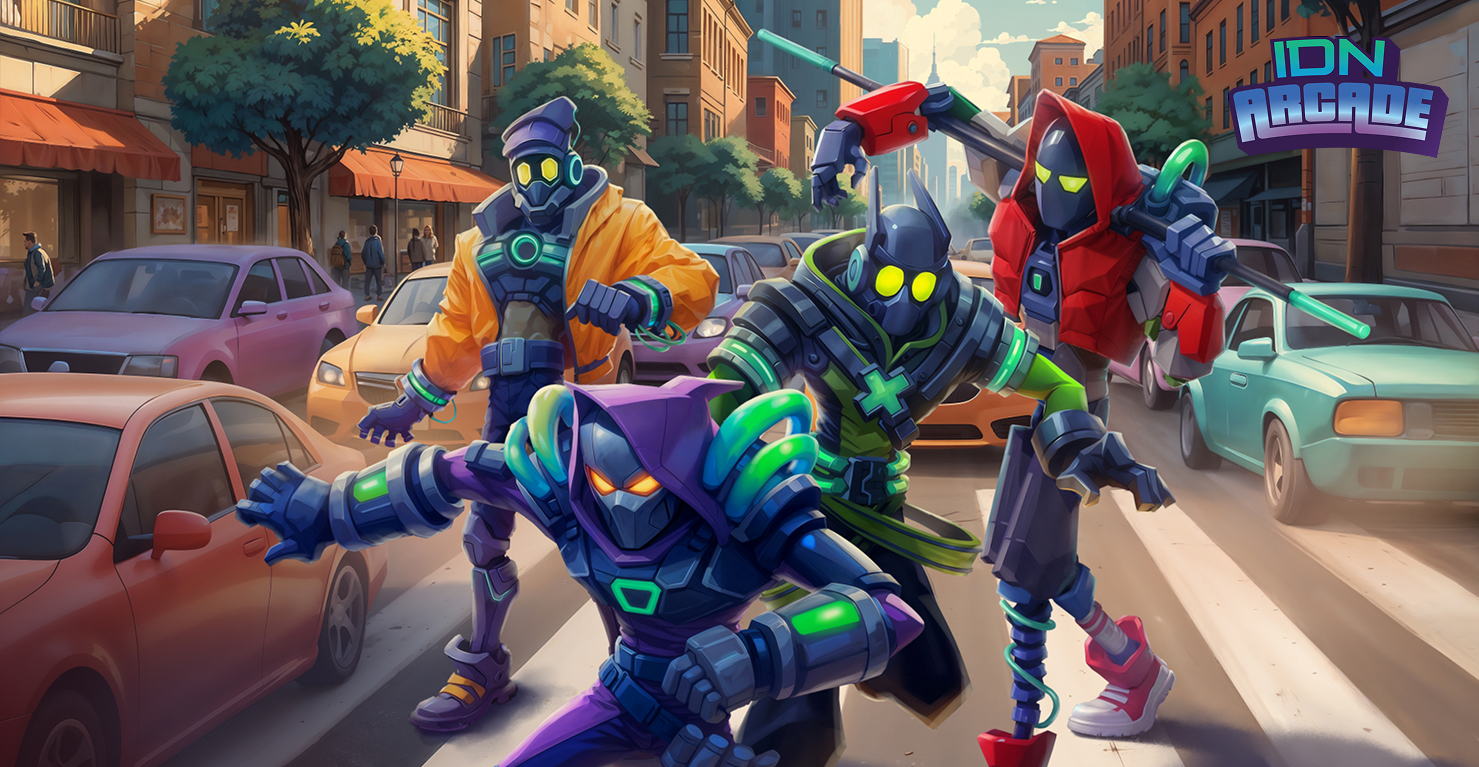
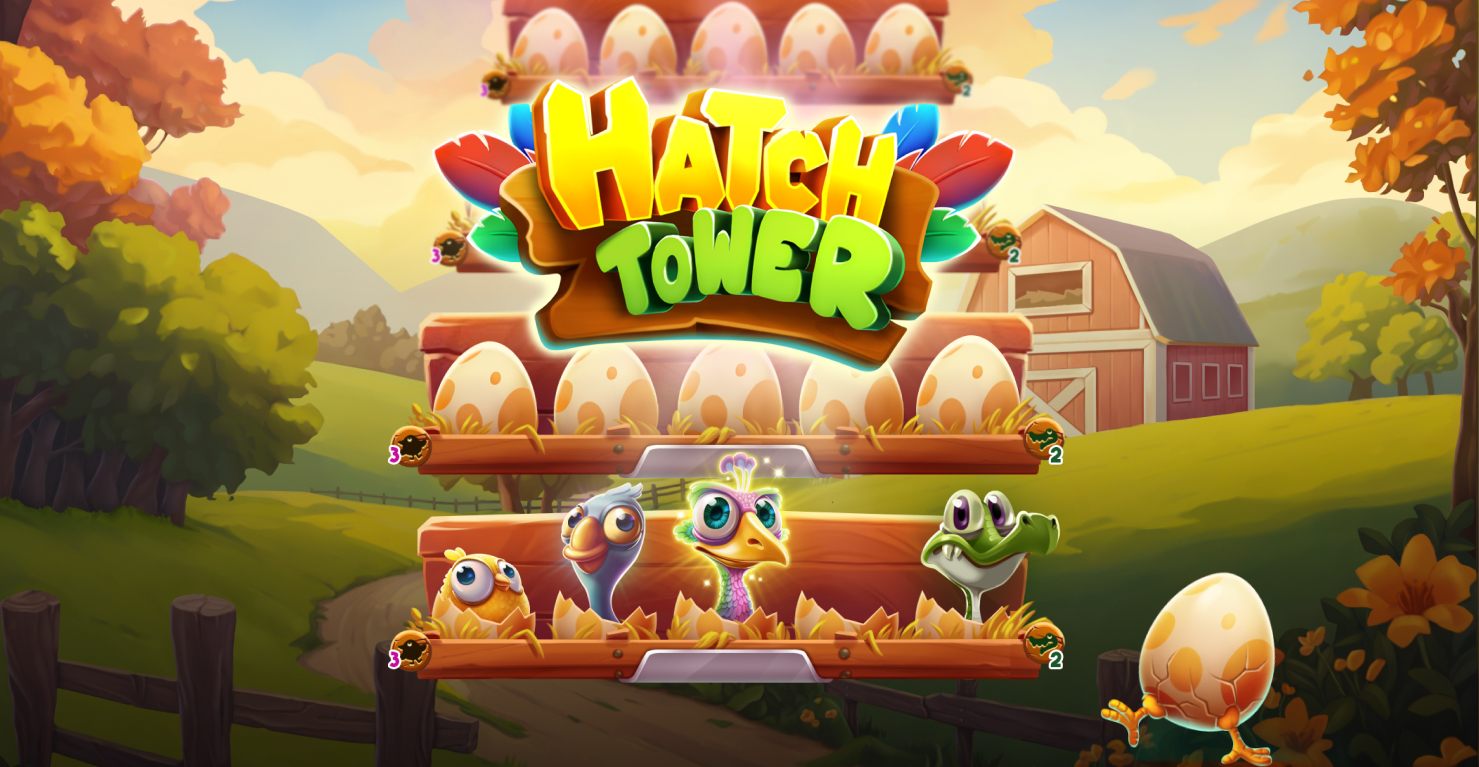
A selection of engineering projects our team has delivered across gameplay systems, backend infrastructure, and cross-platform development.






What Our Clients Say
Studios and publishers who've worked with us on game engineering, co-development, and full-cycle technical development.

Partnering with Innovecs has been a great benefit to our team and project. The work they produce for us is always on time, within budget, and of the highest quality! Innovecs has made a positive impact with us!

Shane Nakamura
Art Director at Jam City

When looking to outsource art assets for some of our projects I was fortunate to sign with Innovecs. I remembered them as easy to co-work with, they weren’t afraid to take our challenges and delivered top-notch content.

Artem Nabatov
Head of Studio at Gameloft

I value the professionalism and the commitment of Innovecs as a company and the developers I personally got to work with. The human resources are of the highest quality. I definitely plan to work with them again and increase the capacity of cooperation in the future.

Shahar Sorek
Founder and CEO at 7 Elements Studios
Ready to Level Up your Game Engineering? Let's Talk.
Send us the brief if you already know what you need. If you're still scoping the technical requirements, our game engineering services team will help you get there just as well. Either way, we'll come back with something concrete.

FAQ
What does game engineering include?
Gameplay systems, engine programming, backend and server infrastructure, AI and ML integration, performance optimization, and tools development. That covers game mechanics implementation, backend API architecture, scalable architecture for live services, and the dedicated game team structures that keep large productions moving. It also includes the DevOps and pipeline work that keeps a production team efficient. Scope varies by project, but game engineering services typically span everything from the first line of code to post-launch support. We cover all of it in-house.
How do you work alongside an existing in-house engineering team?
We align to your existing tools, processes, and review cadence from day one: your version control setup, your sprint cycles, your code reviews. Defined workstreams stay ours to own, rather than us operating as a separate unit that needs managing. The goal is to function as an extension of your team, not a separate vendor relationship. Most studios find the integration faster than expected, because we've done it enough times to know what information we need upfront.
What game platforms and consoles do you support?
PC, PlayStation, Xbox, Nintendo Switch, iOS, Android, and WebGL. We also handle cross-platform builds where the same codebase runs across multiple targets without platform-specific degradation. Certification requirements vary by platform, and we build to those standards from the start rather than treating them as a final step.
Which game engines does Innovecs Games work with?
Unity and Unreal Engine are the primary ones. We also work in C++ and C# across custom and proprietary engines where the project requires it. Engine choice affects a lot of downstream decisions. Our engineers have enough experience across all of them to give you a straight answer about tradeoffs, not a default to whatever they're most comfortable with.
How long does a typical game engineering engagement take?
It depends on scope. A focused workstream like backend infrastructure or a specific gameplay system might run a few months, while a full-cycle engagement on a larger title can run a year or more. We agree timelines before work starts, milestone by milestone, and flag risks early if something is likely to affect the schedule. Duration matters less than whether the scope is well defined at the start.
What engagement models are available?
Three main options. Full-cycle development, where we own the engineering end to end. Co-development, where our team works alongside yours on defined workstreams. Staff augmentation, where individual engineers join your existing team directly. Which one fits depends on how much ownership you want to hand off and how much context already exists in-house. Most studios land on one model at the start and shift to another as the project matures. That's normal, and we scope for it.
How do you ensure code quality and engineering standards?
Code reviews are built into the process, not added as an afterthought. We agree on engineering standards at the start of the engagement and enforce them through peer review, automated testing, and regular build stability checks. Performance benchmarks are set early and tracked throughout. If something doesn't meet the standard, it doesn't ship.
Can you take over or enhance an existing game codebase?
Yes, it's one of the more common ways we engage. Studios come to us mid-production when they need additional capacity, when a previous team has left behind code that needs stabilizing, or when a feature set needs to expand beyond what the current team can handle. We do a technical audit first, document what's there, and agree on a realistic plan before committing to a scope. No studio wants to hear that a codebase is worse than expected six weeks into an engagement.
How is AI used in game engineering at Innovecs Games?
Across several parts of the engineering stack. AI-driven game systems handle NPC behavior, adaptive difficulty, and player behavior analytics. ML model integration covers procedural generation and content recommendation systems. On the production side, AI-assisted tooling accelerates build automation and QA processes. In every case, the engineering team makes the architecture decisions. AI handles the parts of the workload where it adds speed without introducing risk.
Will AI replace game engineers in the near future?
No. AI tools are useful for specific, well-defined tasks within the engineering workflow, but game engineering involves too much context-dependent judgment to be automated in any meaningful way. Understanding how a design decision affects performance across platforms, debugging a race condition in a multiplayer system, architecting a backend that holds up under real player load: none of that is something current AI handles reliably. The more likely outcome is that engineers who already use AI tools effectively are pulling ahead of those who don't, and that shift is underway now.
Ready to Level Up Your Game Engineering? Let's Talk.
Send us the brief if you already know what you need. If you're still scoping the technical requirements, our game engineering services team will help you get there just as well. Either way, we'll come back with something concrete.

Nader Alikhani
VP of Innovecs Games

Christopher Rowe
Business Development Director