




The first question we put to your learning designers and subject-matter experts: once the game is over, what should a learner be able to do? Knowing isn't enough. Each objective then gets a mechanic that forces the learner to use it, plus a way to measure whether they did.
You'll get: an objectives-to-mechanics map and a scoped estimate.
Educational Game Development Services
EdTech companies, publishers and L&D teams come to us for learning games that people finish without being chased, and with the LMS data to prove they did.
 Verticals
- K-12
- Corporate training
- STEM
- Language learning
 Tech
- Unity and Unreal
- SCORM and xAPI
- WCAG-ready UI
 Terms
Full IP transfer and NDA upfront
Custom Educational Game Development
Most learning games fail in one of two directions. Either the game is fun and the lesson rides along as decoration, or the lesson is solid and the "game" is a quiz with a progress bar.
Educational game development is the craft of making the mechanic itself carry the learning objective, so a player can't win without understanding the concept.
Innovecs Games is an educational game development company inside a full-cycle studio.
We build custom learning games for three kinds of teams:
EdTech companies
that want game-based modules inside their platform, or a standalone title next to it.
Publishers
with a curriculum or a well-loved IP they'd like to see on phones, the web and classroom screens.
Corporate L&D teams
tired of slide decks nobody remembers a week later.
Our educational game development services don't stop at the game. We also take on the parts that tend to break late in a project, like LMS reporting, accessibility, child-privacy rules and the question of who writes new content after launch. Need an app rather than a game? The same people handle educational app development for iOS, Android and the web.
Trusted by
Industry Leaders
Industry Leaders

Our Educational Game Development Services
Learning game development rarely stays inside one service line. Pick the one that matches your brief, or combine several under one production team.

Educational Mobile Game Development
Most of your learners will meet this on a phone or a tablet, usually in the five minutes before something else. So loops stay short, the game keeps working when school Wi-Fi drops out, and builds are light enough for the dented iPad on the classroom cart. Our mobile game development services team ships iOS and Android from one codebase, so content updates land on both at once.

K-12 and Curriculum-Based Learning Games
A K-12 game is judged by teachers before students ever see it. It has to map to a standard, fit a 20-minute lesson slot, and give the teacher something to show for it. We start from your curriculum map and build K-12 educational games where every level ties to a named outcome, with a teacher view that reports progress by standard.

Corporate Training and L&D Game Development
Mandatory training has a completion problem, and more slides won't solve it. What slides can't give people is practice, which is exactly the part corporate training games add. Our branching simulations cover sales, safety, compliance and onboarding: an employee makes a call, lives with the result for a minute, then gets another go. Results flow to your LMS, so HR gets data it can audit.

Gamified E-Learning Platforms
Honestly, not every project needs a new game. Sometimes the course is fine and the motivation is missing. We add gamification mechanics to an existing platform, including progress tracking, reward systems, streaks, and unlockable content, wired into your current backend instead of built beside it. No rebuild, no migration, and learners keep their history.
STEM and Serious Games
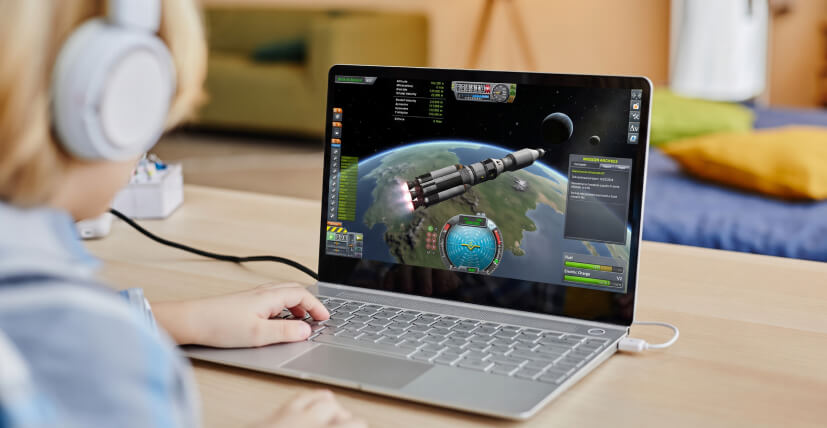
Read a page about torque, then try breaking a bridge in a sandbox, and you'll know which one stuck. In our STEM games and serious games the learning is simulation-based: change one variable, watch the whole system react. Kerbal Space Program taught plenty of people orbital mechanics simply because watching a rocket fail was funny. We aim for that, pointed at your syllabus.

Language Learning Game Development
Language apps live or die on daily return. Duolingo made the streak famous; what people forget is that a streak survives only if yesterday's session gave you a word you used today. Our vocabulary, listening and dialogue games run on spaced repetition under the hood. Speech input shows up where it earns its place, and your linguists get content tools they can fill without calling a developer.

Educational Game UI/UX and Instructional Design
Put an eight-year-old and a 45-year-old compliance officer in front of the same screen and you learn one thing fast: neither reads tutorials. Instructional design decides what someone should know by each step, and our game UI/UX design services team turns that into screens with large touch targets, readable type, and feedback that explains a mistake instead of just flagging it.

Co-Development and LMS Integration
Already have a studio or an in-house team? We join through game co-development: extra engineers, artists, or a full feature pod working in your repo and on your sprint cadence. When the game has to live inside a learning platform, we own that handoff too, and test the reporting with your admins before anyone signs off.


Core Technical Capabilities
The engine matters less than what happens around it: how the build reports, who can use it, and how it runs on a five-year-old school Chromebook.

Cross-Platform Development and LMS Integration
One build target is rarely enough. Classrooms run Chromebooks and iPads, employees use laptops, and parents hand over phones. We ship cross-platform from a shared codebase, with HTML5 and WebGL builds for browser delivery. Wrap any build in SCORM or xAPI, and completion, scores and time on task show up in your LMS, right where your admins already look.
Load more



AI-Powered Educational Game Development
AI earns its place in a learning game when it changes what the learner sees next. Three uses do that reliably. Anything beyond them we treat as an experiment and scope as one.
Adaptive Difficulty and Personalized Learning Paths
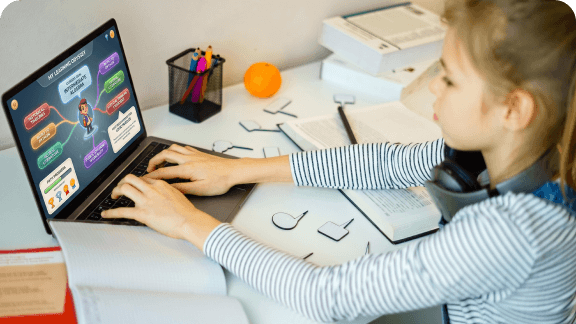
Every answer tells the game something: how accurate it was, how long it took, whether a hint was needed. If a learner is struggling, the same problem comes back with more scaffolding; if they're flying, they skip the grind. Over a session that adds up to personalized learning paths, reordered around each person's gaps but never outside the objectives you signed off.
AI-Assisted Content Generation
Question banks, dialogue variants, and practice scenarios take the most hours to write. We use AI to draft them at volume, then your subject-matter experts review every item before it ships. The model speeds up production. It doesn't get the final word on what's correct.
Load more


How We Develop Educational Games
Six stages, each ending with something you can review. Our educational game development process front-loads the learning design, because pedagogy is cheap to change on paper and expensive to change in a finished level.







Instructional Design and Prototype
Before full production, we build a playable prototype of the core loop and test it with learners from your audience. This is where "chocolate-covered broccoli" gets caught: if the fun and the learning can be pulled apart, the design goes back to the table. Our game prototyping services team runs this stage.
You'll get: a playable prototype and a learner test report.

Full-Cycle Development
Art, engineering, audio, and content production run in two-week sprints, with a playable build at the end of each. Level progression, reward systems, and the difficulty curve are tuned with support from our game level design services team. You see progress every sprint, not only at milestones.
You'll get: a playable build and sprint notes every two weeks.

QA, Playtesting and Pedagogical Review
Functional QA finds the crashes. Pedagogical review finds the level that teaches the wrong thing, or teaches the right thing too slowly. We run both, and playtest with target-age learners where your consent process allows it.
You'll get: a QA report and a pedagogical review log with fixes.

Launch and Platform/LMS Deployment
We handle store submission, web hosting, or SCORM and xAPI packaging, then verify that scores and completions arrive correctly in your LMS. Teachers and admins get a short setup guide, because even a great game fails if nobody knows how to assign it.
You'll get: live builds, LMS packages, and admin documentation.
Live Ops and Post-Launch Support
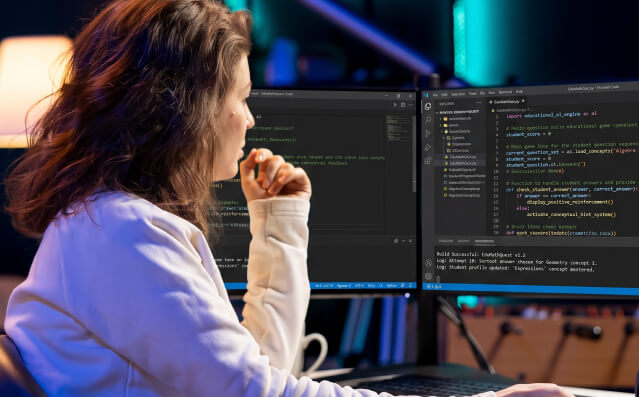
School years restart, curricula change, and learners burn through content faster than anyone planned. We stay on for content drops, seasonal events, platform updates, and analytics reviews, so the game improves each term instead of aging out.
You'll get: a content roadmap and monthly performance reviews.

Educational Game Formats We Cover
Format follows the learning objective. Here's what each one does best, and where it stops being the right tool.
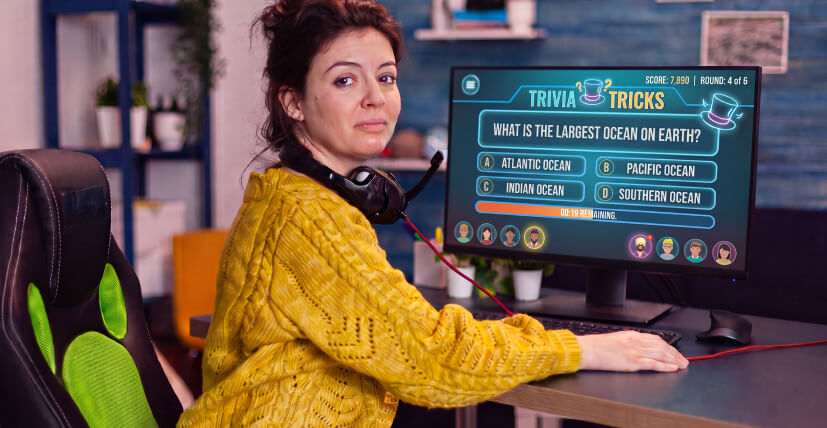
Quiz-based games.
Fast recall and retrieval practice. Strong for facts and vocabulary, weak for skills that need judgment.

Simulation-based learning.
Learners change inputs and see consequences. Best for systems thinking and procedural training.

Gamified courses.
Your existing course plus progression, rewards, and challenges. The lowest-risk way to lift completion rates.

K-12 curriculum games.
Levels mapped to standards, sized to a class period, with teacher reporting built in.
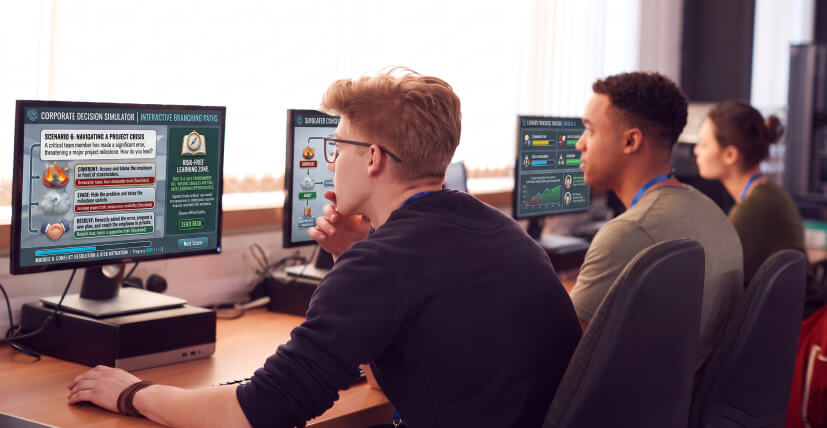
Corporate training simulations.
Branching scenarios where the wrong choice is safe to make and useful to remember.

Language learning games.
Short daily sessions and dialogue practice that reward coming back tomorrow.

STEM and serious games.
Physics, chemistry, engineering, and health topics taught through systems a player can break and rebuild.
Why Choose Innovecs Games
Plenty of studios can build a game, and plenty of e-learning vendors can build a course. Our educational game developers work in between: designers, engineers, and artists from a full-cycle studio who build to your learning objectives.

Ready to Build Your Educational Game? Let's Talk.
Share where you are: a finished curriculum, a rough concept, or a course nobody completes. We'll come back with the format we'd recommend, a scoped estimate for educational game development, and the people who would build it.

Case Studies
Selected work from our full-cycle studio across mobile, web, and cross-platform titles.
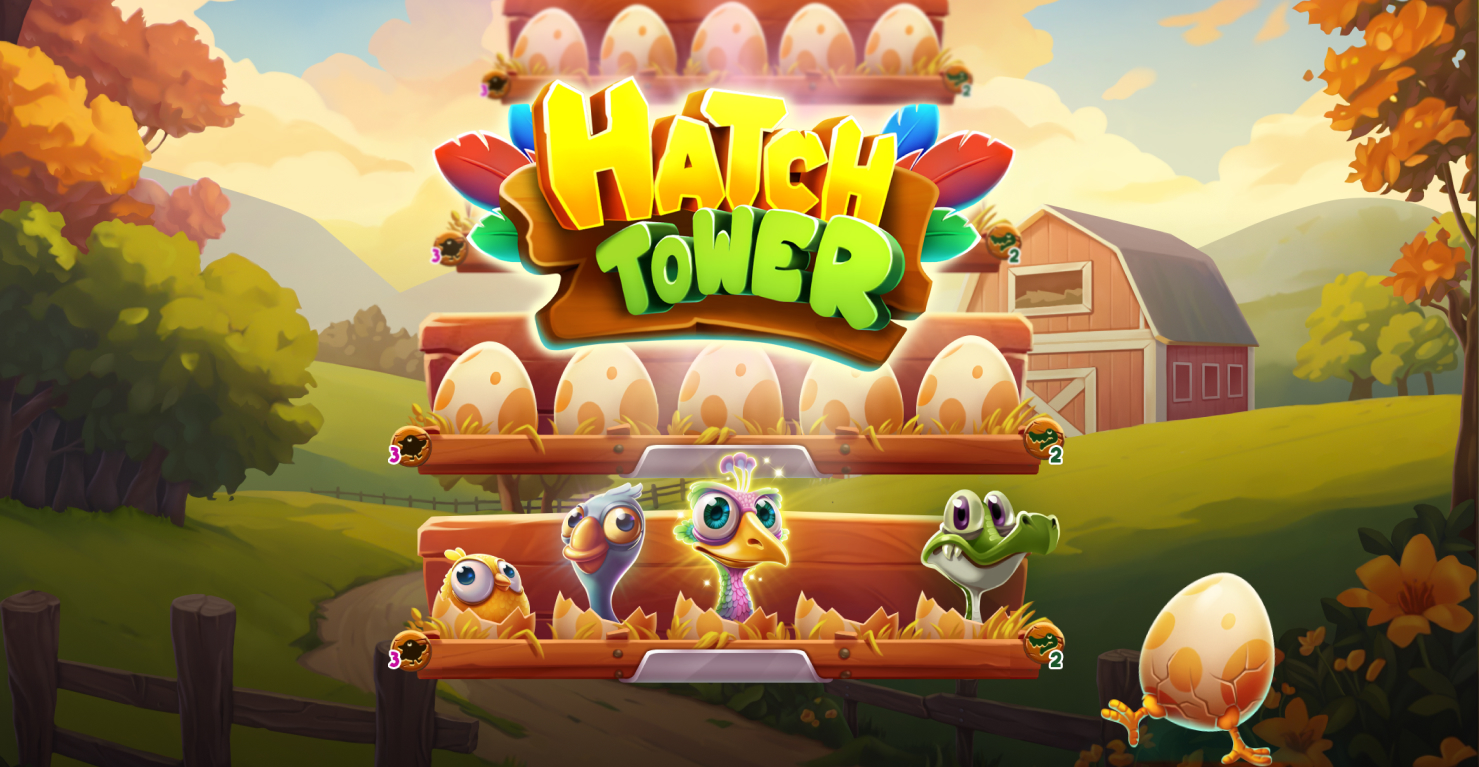
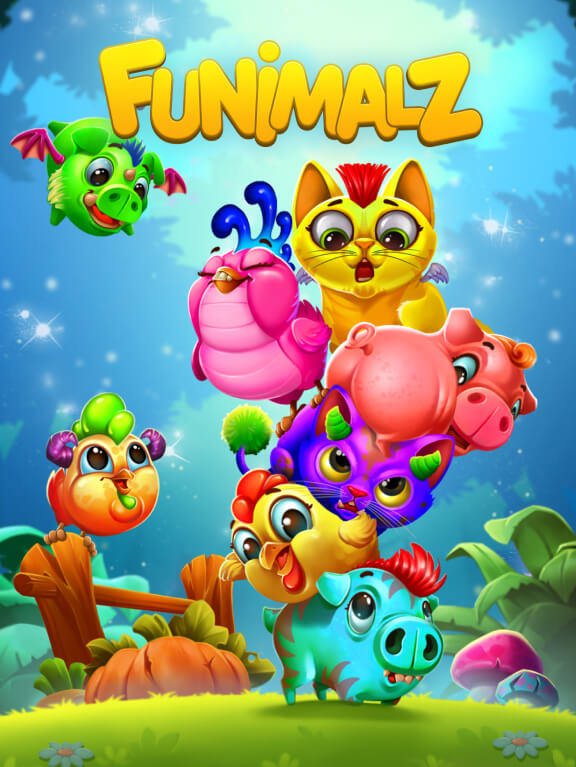
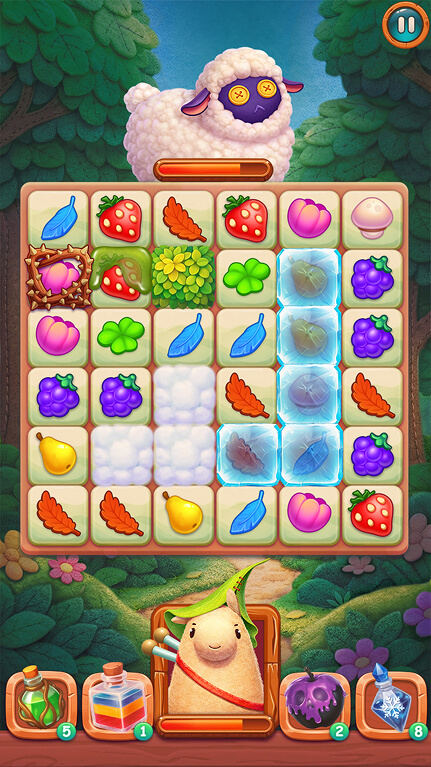
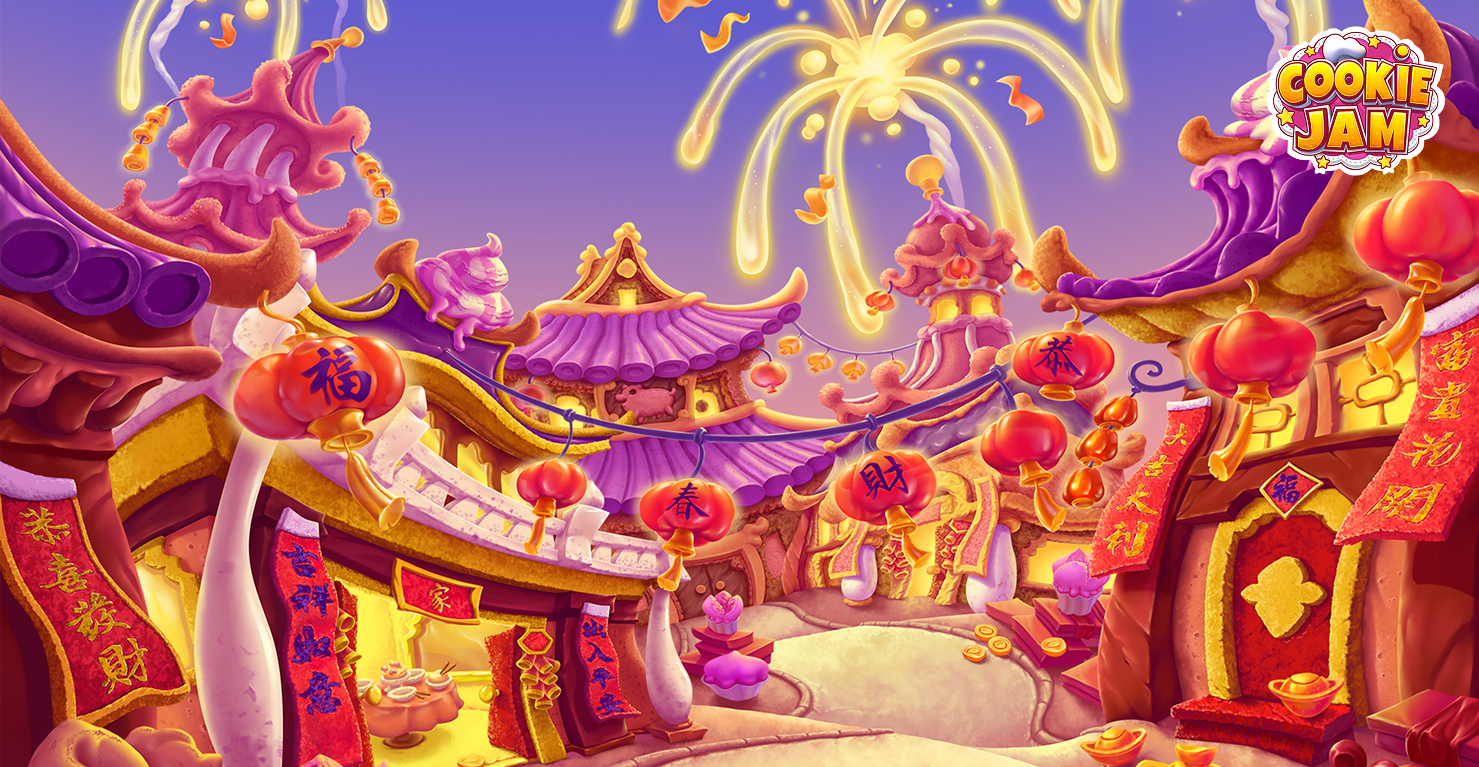



What Our Clients Say
Studio leads at Jam City, Gameloft, and 7 Elements Studios on working with our engineering and art teams.

Partnering with Innovecs has been a great benefit to our team and project. The work they produce for us is always on time, within budget, and of the highest quality! Innovecs has made a positive impact with us!

Shane Nakamura
Art Director at Jam City

When looking to outsource art assets for some of our projects I was fortunate to sign with Innovecs. I remembered them as easy to co-work with, they weren’t afraid to take our challenges and delivered top-notch content.

Artem Nabatov
Head of Studio at Gameloft

I value the professionalism and the commitment of Innovecs as a company and the developers I personally got to work with. The human resources are of the highest quality. I definitely plan to work with them again and increase the capacity of cooperation in the future.

Shahar Sorek
Founder and CEO at 7 Elements Studios
FAQ
What does educational game development include?
More than the game itself. The work covers learning objective mapping, instructional design, game design, art, engineering, QA, and pedagogical review. On top of that, most projects need SCORM or xAPI integration, accessibility work, and privacy compliance if the players are young. And it doesn't really end at launch. A learning game ages with the curriculum behind it, so content updates and analytics reviews keep going.
How long does it take to develop a custom educational game?
Scope drives it, and content volume drives scope more than code does. A focused quiz game is a far shorter project than a multi-level curriculum game or a branching corporate simulation. We commit to a timeline after discovery, once objectives and formats are fixed. Where deadlines are tight, such as a back-to-school window, we stage releases so a first version reaches learners early.
What is the typical cost of educational game development?
We don't publish a rate card, because two briefs with the same title can differ widely. The number moves most with content volume and art style, then with platforms, the LMS and analytics side, and whether AI is in scope. Tell us your objectives and constraints. You'll get a scoped estimate back, with a phased option if a pilot fits your approval process better.
Which platforms and LMS systems do you support?
iOS, Android, desktop, and the browser through WebGL and HTML5, built from a shared codebase where possible. For learning management, we package builds to SCORM 1.2, SCORM 2004, and xAPI, which covers most commercial and open-source LMS platforms, including Moodle, Canvas, and Cornerstone. Custom or in-house systems work too. We connect through their API and verify the reporting end to end before launch.
What educational game formats does Innovecs Games specialize in?
Seven come up most often: quizzes, simulations, gamified courses, K-12 curriculum games, corporate training sims, language games, and STEM or serious games. Which one fits gets decided in discovery, since the format ought to follow the skill. Recall favors quizzes, judgment favors branching scenarios, and systems thinking favors sandboxes. Plenty of projects combine two.
Can you gamify an existing e-learning course or curriculum?
Yes, and for a lot of teams it's the smartest place to start. Your content stays as it is. Around it we add progression, rewards, challenges, a bit of narrative, and feedback that reacts to a mistake rather than just marking it. Because it plugs into the platform you already run, learner records and reports don't move. If the numbers look good, that layer can later grow into a full learning game built on the same assets.
How do you balance learning outcomes with player engagement?
By refusing to treat them as separate goals. If a player can win without using the skill, the design is broken, however fun it feels. We tie each core mechanic to a learning objective during discovery, then test the prototype with real learners to see whether they engage and whether they learn. When those two results disagree, we change the mechanic, not the lesson.
What engagement models does Innovecs Games offer?
Three. Full-cycle development, where we take the game from brief through launch and support. A dedicated team that works as an extension of yours on a long roadmap. And co-development, where your studio or product team leads and we add engineers, artists, or designers in specific disciplines. Models can change between phases, for example a full-cycle pilot followed by a dedicated team for scaling.
How is AI used in educational game development?
Mainly in three places. Adaptive systems change difficulty and content for each learner based on how they actually play. On the production side, AI drafts question banks, dialogue and practice scenarios much faster, though a human expert still signs off on every item. Then there's learner behavior analytics, which tells teachers and L&D managers where people get stuck. We use AI automation in our own pipeline too, say, to catch errors in a 2,000-item question bank before release.
Can AI personalize learning paths inside a game?
Yes. It watches accuracy, time per task, hint use and repeated errors, and adapts content to that one learner. Mastered a concept? You move on. Stuck? You get a different explanation, or an easier version of the same task. Your team approves the objectives the rules can't leave, and every adaptation is logged, so a teacher can always see why a learner ended up on a particular path.
Get in Touch
Have a learning objective or a course nobody finishes? Tell us about it, and we’ll suggest the right game format.

Nader Alikhani
VP of Innovecs Games

Christopher Rowe
Business Development Director
Trusted by
Industry Leaders
Industry Leaders