PC Game Development Cost in 2026, Broken Down for Studios and Publishers
Realistic budget ranges for PC games from indie to AAA, the PC-specific lines that push a number up or down, and a method for building an estimate that still holds in month eighteen.
Five months and $2.6 million. That’s what Insomniac’s leaked budget documents put on bringing Ratchet & Clank: Rift Apart to PC, and the game was already finished.
That number sits awkwardly next to PC’s reputation as the cheap platform. Listing a game on Steam costs $100, there’s no certification queue, and nobody has to beg a platform holder for devkits. All of that is true. It’s also the cost of getting onto the store, which is the smallest part of PC game development cost by a wide margin.
The money goes on the machine at the other end. The most common graphics card on Steam, a 2021 RTX 3060, sits in just 3.62% of machines in Valve’s October 2026 survey. Each of the other 96% is somebody’s minimum spec, and somebody has to test it.
This breakdown prices that gap for a game your size: ranges by tier and stage, rates by role and region, store and engine terms as of November 2026, prices for the PC-only work, worked estimates, and the checks a publisher runs before funding. If you’re still comparing PC with other platforms, our guide on how much it costs to make a video game puts them side by side.
How Much Does It Cost to Develop a PC Game?
In 2026 a PC game costs anywhere from about $30,000 for a small indie project to well over $200 million for an AAA production, before marketing. Most commercial projects we scope land in a much narrower band: $400,000 to $3 million for a larger indie game, and $5 million to $50 million for AA.
| Tier | Typical core team | Timeline | Typical budget, before marketing |
|---|---|---|---|
| Small indie | 1 to 5 people | 6 to 24 months | $30,000 to $400,000 |
| Larger indie | 5 to 15 people | 12 to 30 months | $400,000 to $3 million |
| AA and mid-size | 25 to 150 people | 2 to 4 years | $5 million to $50 million |
| AAA | 200 to 1,000+ people | 3 to 6 years | $80 million to $300 million+ |
Source: Innovecs Games delivery data, projects scoped 2023 to 2026. AAA range matches our AAA game development cost analysis.
Notice that the rows overlap at the edges. A 12-person team building a systemic 3D survival game can spend more than a 30-person AA team making a linear one, because what you build sets the tier, not what you call the studio. The hardware matrix has never once asked what’s printed on the business card.
The range is wide for a simple reason: salaries make up 70% to 85% of a typical game development cost, so the total is mostly headcount multiplied by months. Everything else in this article is a question about one of those two numbers. Genre, art style and engine decide how many people you need. Hardware coverage, multiplayer and scope decide how long you need them.
PC Game Development Cost by Game Size
Each tier buys a different PC version, not just a bigger one. A small indie game can target one input scheme and a couple of resolutions, while an AAA release is expected to support ultrawide monitors, frame generation, a dozen upscaling modes and a settings menu longer than some indie games. The table shows what the PC-specific work looks like at each size.
| PC work | Indie | AA and mid-size | AAA |
|---|---|---|---|
| Hardware targets | One minimum and one recommended spec, Steam Deck as a stretch goal | Three presets, Steam Deck Verified, 8 GB VRAM floor | Full preset range, upscalers from all three GPU vendors, ray tracing, ultrawide |
| Input | Keyboard and mouse or controller, rarely both done well | Both, with full rebinding | Both, plus accessibility remapping and per-device glyphs |
| Compatibility QA | A few dozen configurations, often borrowed | A dedicated lab or partner, 50 to 150 configurations | Vendor labs plus GPU-maker partnerships |
| Stores | Steam | Steam plus Epic or another store | Several stores, launchers and account linking |
| Online | Usually none | Optional co-op, peer-to-peer | Dedicated servers, anti-cheat, live ops |
The middle column grows fastest. A small team can skip most of it, and an AAA publisher has whole departments for it, but an AA studio usually discovers the compatibility row a few months before launch.
Indie and Small-Scope Games
At the small end, indie game development cost is mostly founder time. A team of one to five people working for six months to two years spends $30,000 to $400,000 if everyone is paid, and much less in cash if they aren’t. Larger indie teams of five to fifteen people run $400,000 to $3 million over one to two and a half years.
On PC, a typical game at this tier is a 2D roguelite or a stylized 3D puzzle game, sold on Steam at $15 to $25, playable on keyboard and mouse with controller support added late. The PC-specific money goes on three things: a demo for Steam Next Fest, a few weeks of compatibility testing, and getting the game to run well on Steam Deck. That last one has become cheap insurance. A Verified badge tells a whole segment of buyers they don’t need to read the comments first. If a small budget has to lose something late, we’d cut the second trailer before this, because the badge is the one piece of PC work a buyer sees before paying.
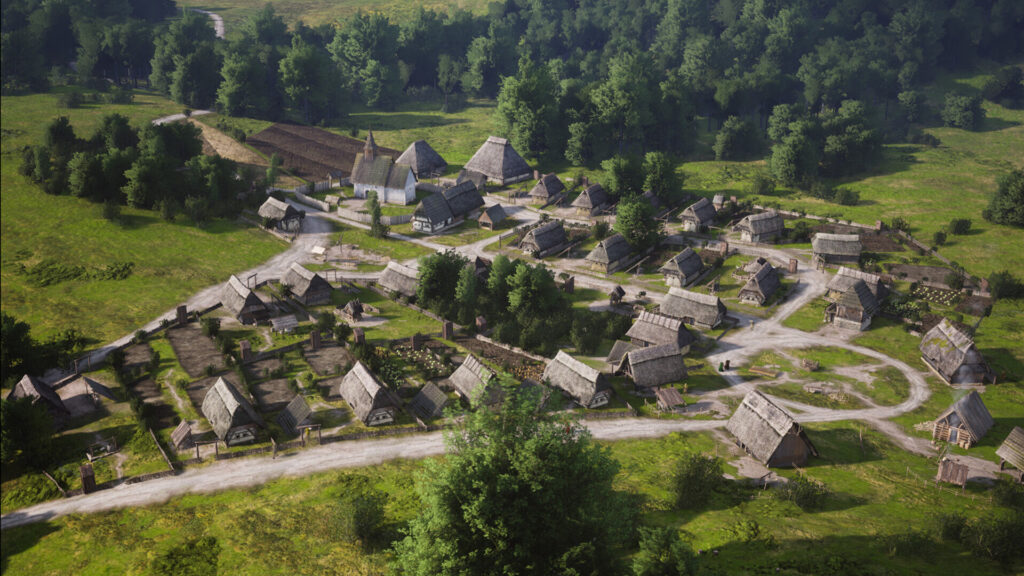
The risk at this tier is rarely the build. It’s discovery. Chris Zukowski counted 7,240 games in the October 2026 Steam Next Fest and projects about 29,300 Steam releases for 2026, against 20,801 in 2025. A budget that funds the game but not the months of wishlist building before launch has only paid for half the plan. Manor Lords shows what the other half looks like when it works. Greg Styczeń built the medieval city builder largely alone, its Next Fest demo brought in around 500,000 wishlists, and the game went into Early Access in April 2024 with a record 3.2 million wishlists, then sold 2 million copies in under three weeks.
AA and Mid-Size Projects
AA is where PC budgets get interesting, because it’s where studios most often build for PC first. Teams of 25 to 150 people spend $5 million to $50 million over two to four years, and the work typically goes to a single-player action game, a systemic RPG or a co-op game with modest online needs.
Warhorse Studios gives a rare public number at the top of this tier. Studio co-founder Daniel Vávra put the budget for Kingdom Come: Deliverance II at about a billion Czech crowns, roughly $41 million, and said the game covered it on day one. That’s a large open-world RPG on PC, PlayStation 5 and Xbox, built in Prague, for a fraction of what a publisher-owned franchise would spend. Lower labor costs in Central and Eastern Europe are part of the explanation. Ruthless scoping is the other part, and it’s the one that’s harder to copy.
AA is also the tier where PC-specific costs surprise people. A 40-person team can’t afford a QA department big enough to cover the hardware matrix, and a hundred-person one usually doesn’t think it needs one until the first wave of Steam reviews mentions stuttering. Steam reviewers are the cheapest compatibility lab in the world, and the most expensive one to use.
AAA Productions
AAA budgets start around $80 million and routinely pass $200 million before marketing, with teams of 200 to more than 1,000 people working three to six years. Leaked Insomniac documents put the total budget of Marvel’s Spider-Man 2 at $315 million, with a target of 10.5 million copies sold. Our breakdown of AAA game development cost goes through what drives a budget of that size.
The PC version of an AAA game is a project in itself. Shader compilation, CPU scaling across 6 to 24 cores, DirectX 12 and Vulkan paths, support for upscalers from three GPU vendors, a settings menu with real previews, and certification-grade QA across hundreds of configurations. Many publishers now launch on PC on day one instead of a year later, so that work has moved from a port budget into the main budget. That’s progress for players. It’s also several million dollars that used to sit in a different fiscal year.
PC vs Console vs Mobile: Where the Money Goes
Whether the PC version ships on day one or a year later, it’s priced against the same alternatives. Platform choice changes where the money goes more than how much there is. A PC release skips the most expensive gatekeeping in games and adds the widest hardware spread in games, and the two roughly cancel out for a mid-size title.
PC is cheaper on the way in. There’s no console certification against a platform holder’s technical requirements, no devkit allocation, no age-rating paperwork per region beyond what the store asks, and Valve asks for three to five business days to review a build, with a week as the safe plan. Store terms are friendlier too: PC has stores that take a smaller cut than any console store does.
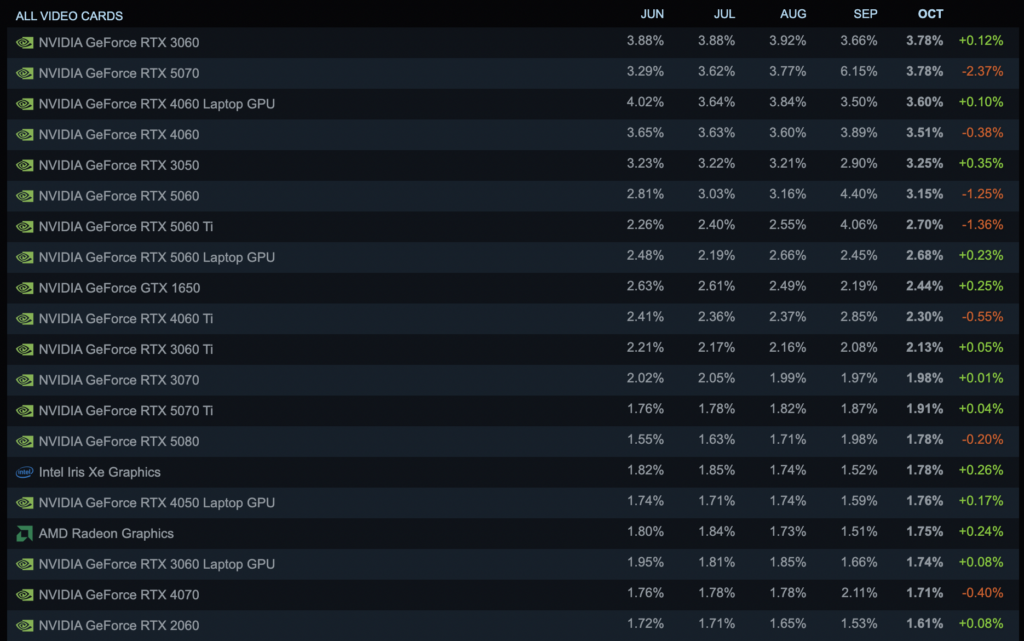
PC is more expensive after that. Every PC is a different console, and the October 2026 Steam survey shows how different: 26.92% of machines have 8 GB of video memory, 26.35% have 16 GB, half still run at 1920×1080, and 21.11% are still on Windows 10. Input adds a second matrix. Keyboard and mouse, Xbox and PlayStation controllers, Steam Deck, and now the Steam Machine, which shipped in June 2026 at $1,049 after Valve said the memory shortage made its original price impossible. Then there’s anti-cheat for any competitive game, and performance tuning that never quite ends. Certification is a gate you pass once per submission. The PC matrix is a gate that keeps moving after you’re through it.
Mobile has a cost structure of its own, built around user acquisition and live operations, and our guide to mobile game development cost covers it tier by tier. For the audience side of the choice, see our comparison of mobile gaming vs PC gaming.
Overall video game development cost runs differently on each platform:
| PC | Console | Mobile | |
|---|---|---|---|
| Getting onto the store | $100 Steam fee, review in days | Developer approval, devkits, certification per platform | Developer accounts, store review |
| Hardware spread | Thousands of configurations | One to three fixed SKUs per platform | Thousands of devices, tiered by price |
| Input | Keyboard, mouse, several controllers, handhelds | One controller per platform | Touch |
| Biggest PC-only cost | Compatibility QA and performance work | Certification and submission cycles | User acquisition |
| Where budgets break | Launch-week performance reviews | Failed submissions | Paying for installs after launch |
Read down any column and the pattern holds: the platform decides which lines appear in a budget, not how big they get.
What Drives the Price Up or Down
How big they get comes down to six variables, which explain most of the gap between two PC games with the same headcount. In the estimates we’ve built since 2023, scope and hardware coverage move the total more than the rest combined, and both are decided earlier than most teams realize. The sixth, technical debt, is the only one that gets more expensive simply by waiting.
Scope, Genre, and Content Volume
Content costs money in a nearly straight line: twice the levels means roughly twice the level design, art and testing. Genre sets the floor. A PC strategy game needs AI that can handle thousands of units on a 6-core CPU. A survival game needs persistent worlds and save systems that survive mods, and an open world needs streaming that holds up on an old hard drive as well as an NVMe SSD. Mod support is a PC-only line worth deciding early. Opening the game to modders can extend its life by years, but tools, documentation and file-format stability have to be budgeted like any other feature. Larian shipped Baldur’s Gate 3’s official modding toolkit with Patch 7 in September 2024, more than a year after launch, as a separate download built from its internal tools. That’s a sign of how much work “mod support” hides. Our advice: don’t promise mod support on the store page until your file formats have survived one content update. Players remember a promised toolkit much longer than a promised feature.
Genre alone moves a PC budget by two orders of magnitude, so it helps to see where each one usually lands:
| Genre on PC | Typical budget | What drives the cost |
|---|---|---|
| 2D platformer or roguelite | $50,000 to $1 million | Animation frames, level or run variety |
| Narrative adventure | $200,000 to $3 million | Writing, voice lines, localization per line |
| Strategy, 4X or management sim | $500,000 to $10 million | Simulation performance, UI depth, AI opponents, balancing |
| Survival and crafting | $1 million to $15 million | Persistent worlds, co-op netcode, content volume |
| 3D single-player action or RPG | $5 million to $80 million+ | Animation, combat feel, world size, voice acting |
| Competitive online shooter | $10 million to $150 million+ | Netcode, anti-cheat, servers, live ops |
| MMO | $50 million to $300 million+ | Backend, content cadence, operations team |
Two games in the same row can still sit at opposite ends of it. A strategy game with one faction and a strategy game with eight share a genre and very little of a budget.
Art Style and Graphics Fidelity
Stylized art is cheaper per asset than photorealism, and on PC it’s also cheaper to scale, because a strong style looks fine on a five-year-old GPU. Photorealism pushes costs into technical art, lighting and LOD work, and then into performance tuning across every preset from Low to Ultra. Expect concept work to be the cheap part of either path; our guide to the cost of concept art creation puts a character concept at $200 to $1,500. The expensive part is the asset count and the number of quality tiers each asset needs. An Ultra preset is a promise to a small share of players with large GPUs, and somebody has to test it. We’d argue most Ultra presets are marketing with a QA invoice attached. That’s fine, as long as somebody budgeted the invoice.
Keeping a style consistent costs money too, especially once outside artists join. PC players look at assets closely, at 1440p and above, in photo modes and on 4K capture in reviews, so a prop that reads fine on a phone can look wrong next to your hero assets. Two habits keep that cost down. The first is a reference sheet for every asset class, showing a finished example at in-game distance and at 4K, so nobody argues about “done” from a mood board. The second is a single paid trial asset before any vendor gets a batch. We usually see that trial priced at $1,000 to $5,000. Re-texturing a whole biome in month fourteen costs a good deal more.
Game Engine and Tech Stack
Most commercial PC games still ship on Unreal or Unity. Godot, once the hobbyist option, now gets picked for 2D and smaller 3D work by studios with a payroll to meet. Unreal’s pitch is high-end rendering on day one, and Epic asks for nothing until a game has earned $1 million. Unity bills per seat, but only after a studio crosses $200,000 in revenue and funding. Godot is free, and it now has hits to point to: Brotato, built in Godot by one developer, sold over a million copies while still in Early Access, and Mega Crit moved Slay the Spire 2 to Godot two years into development, after Unity’s 2023 runtime-fee announcement. Do fees decide the engine? In our experience, almost never. Speed does: how quickly your people work in the editor, and whether you can hire C++ or C# programmers for it at the rates you planned. A proprietary engine flips all of that. Each new hire loses weeks to tools no other studio uses, and every middleware vendor’s integration guide stops applying to you. Picking an engine to save on fees is a bit like choosing an apartment for the cheaper doormat.
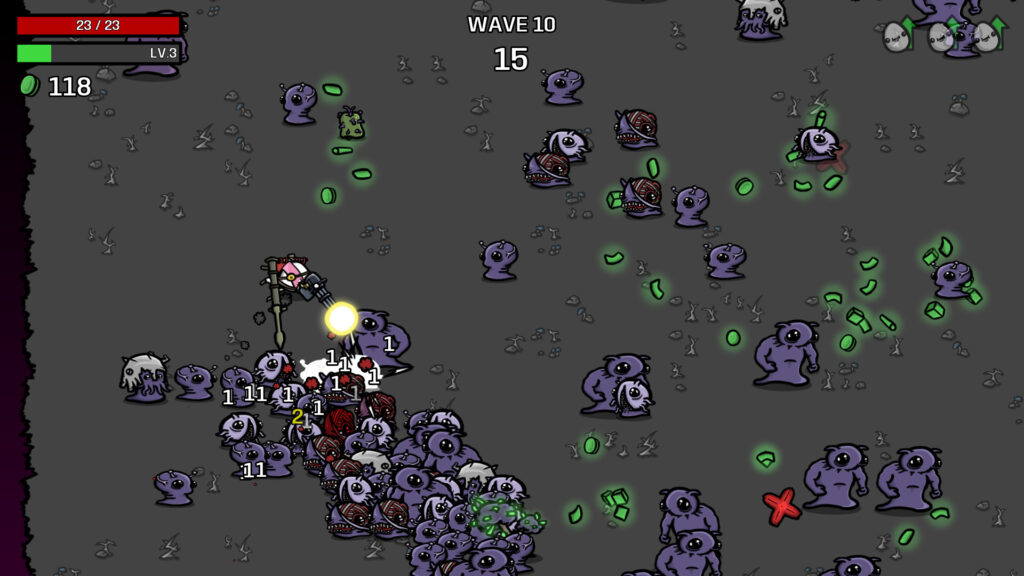
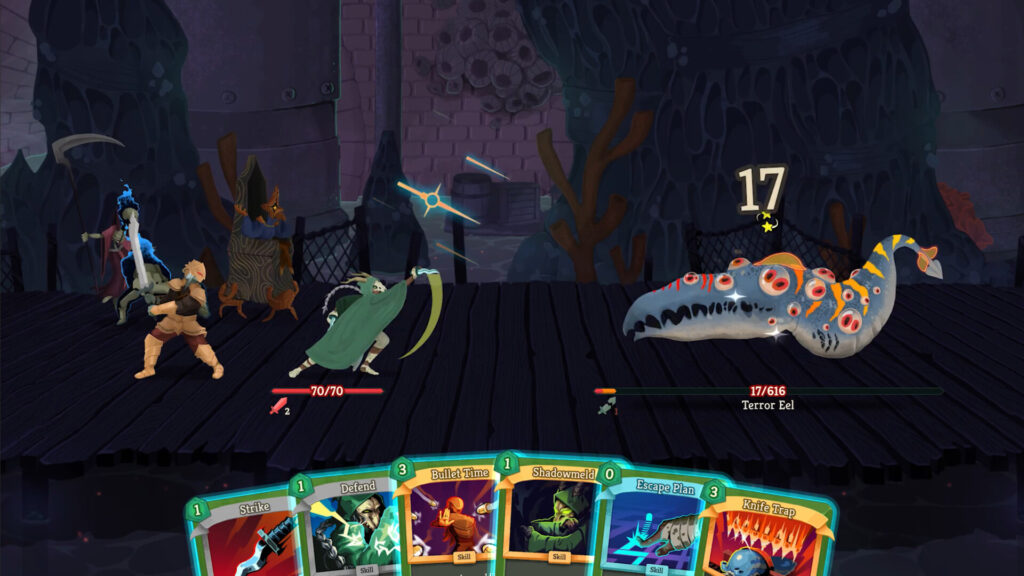
Brotato and Slay the Spire 2, both built in Godot. A free engine stopped being a hobbyist choice.
Multiplayer, Online Services, and Live Ops
Online play is the largest single jump in a PC budget. Add netcode and matchmaking, then dedicated servers, accounts, anti-cheat and someone to moderate chat, and the engineering plan you wrote for a single-player game no longer describes the project. None of that stops billing at launch, either. Cheating starts on PC for a simple reason: the player owns the machine. Easy Anti-Cheat and similar tools are free to license. Integrating them, testing them and handling the players they flag by mistake is not. Running a live service? Then the first year of post-launch content needs a plan before the launch trailer does. Players notice a roadmap with nothing on it faster than they notice a missing feature. Here’s where we’d be strict: if online play isn’t the reason people will buy the game, cut it before pre-production ends. Half a multiplayer mode costs nearly as much as a whole one and gets reviewed like neither.
Hardware Coverage and Performance Optimization
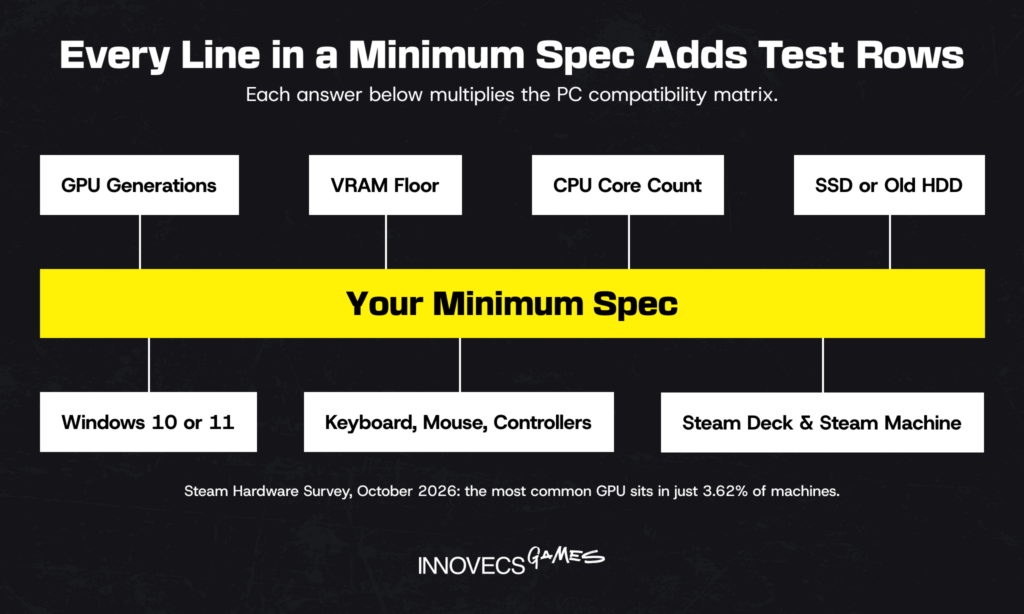
Of all six, this driver is the most PC-specific, and it’s the one we most often find priced at zero. Every line in a minimum spec quietly creates QA work. Which GPU generations, how much VRAM, how many CPU cores? SSD only, or old hard drives too, and Windows 10 or just 11? Do Steam Deck and Steam Machine count? Each answer adds rows to the test matrix. Valve’s Steam Machine Verified bar, presented at GDC 2026, asks for at least 1080p at 30 frames per second plus Steam Deck input support. Our view: set the minimum spec to an 8 GB card and 16 GB of RAM, and treat anything above that as a scaling problem, not a target. That floor covers the hardware most Steam players actually own in 2026, when memory prices are keeping upgrades off the table. Nobody has ever left a Steam review thanking a game for running on their exact GPU. Plenty have left one about the opposite.
Technical Debt and Late Optimization
Studios fund what they can see. A new boss fight shows up in the milestone review, while a streaming fix, a shader cache or a memory budget per level doesn’t, so the invisible work slides to the end of the schedule. On PC, the end of the schedule is when the hardware matrix arrives. Naughty Dog’s The Last of Us Part I reached Steam in March 2023 with only 33% positive reviews from its first 6,000 players, and some of them were waiting up to two hours for shaders to compile. A studio that size can patch its way back. A 60-person AA team usually can’t afford the months. Smaller teams hit the same wall: a week before Cities: Skylines II launched in October 2023, Colossal Order and Paradox warned players that performance had “not achieved the benchmark we targeted,” and the console version was later delayed indefinitely for the same reason.
The cheaper pattern is boring. Pick the oldest GPU you’ll support, buy that card, and make every milestone review run on it. Then staff one technical artist for every four to six production artists from the start of production, not from beta. AA teams tend to have excellent artists and too few people who make their work run, and that gap is the one we’re asked to fill most often on PC projects.
Game Development Cost Breakdown by Stage
Those six variables decide how big the budget gets. The stage plan decides when the money goes out, and the timing matters as much as the total when you’re paying salaries before the game earns anything. The game development cost breakdown below shows the shares we see on PC projects that go through a full cycle, from concept to the end of the first year after launch.
| Stage | Share of total budget | What’s PC-specific |
|---|---|---|
| Pre-production and prototyping | 10% to 15% | Minimum spec, input plan, engine and store decisions |
| Production | 50% to 60% | Graphics presets, settings menu, mod and save systems |
| Testing and QA | 10% to 15% | Compatibility lab, performance passes, Steam Deck testing |
| Launch, porting, and first-year support | 15% to 25% | Day-one patches, driver issues, ports, store events |
The shares won’t add up to exactly 100% for any one project, and that’s the point of using ranges. A narrative game leans toward production, an online game toward support. If a plan puts less than 10% into testing, look for the QA work hiding in somebody else’s budget. Most often it’s hiding in the producer’s optimism.
Pre-Production and Prototyping
This is the cheapest stage and the one with the biggest say over game development cost. Four to eight people, as a rule. They build a prototype of the core loop first, then a vertical slice, meaning ten to fifteen minutes of the game at the quality you intend to ship. On PC this is also the moment to settle the minimum spec, how players will control the game and which engine you’re in, since all three get more expensive to change with every month that passes. Decide on Steam Deck support in month two and you pay for it in small pieces. Decide in month twenty and you pay for it in a crunch.
Production
Production is where most of the money goes, because it’s where the team is largest. Level design, art, animation, systems, audio and writing all run in parallel, and on PC the work includes building graphics presets, a settings menu that actually previews its changes, and save and mod systems. Audio belongs here too and is easy to underprice: in our projects a composer, sound design and limited voice work for a smaller PC game usually come to $40,000 to $80,000, while full voice acting in several languages can cost more than the rest of the audio combined. The biggest risk in production is not speed but drift. A feature added in month nine costs its own build time, plus the art, QA and localization it drags along with it. We’d rather see a team cut one system early than trim polish from all of them late. The old 80/20 rule of production applies with full force on PC: the last fifth of the work, the polish, the edge cases and the performance on old hardware, takes a far bigger share of the calendar than anyone plans for.
Testing and QA
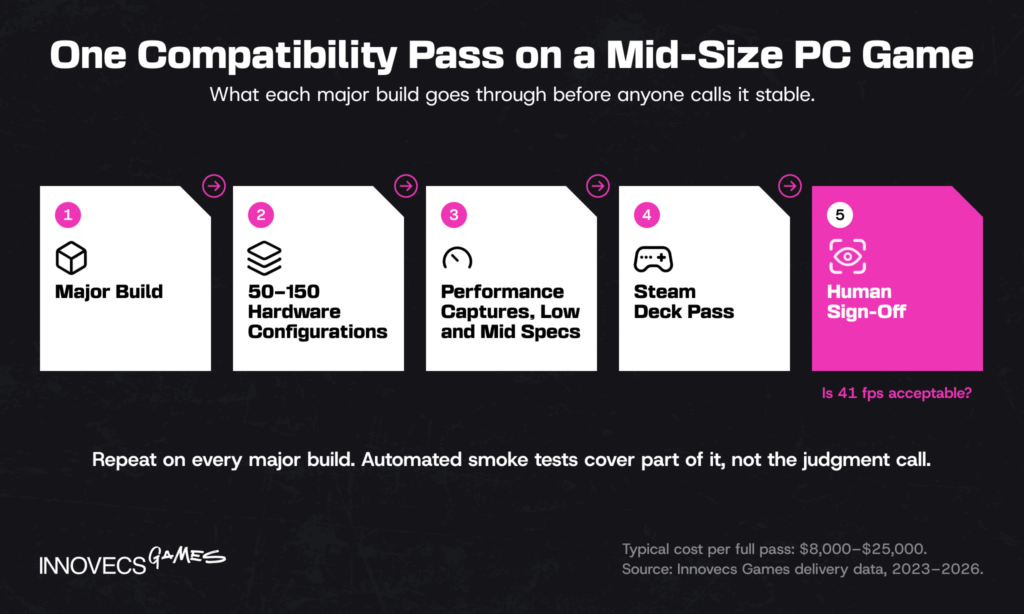
PC QA has two jobs: functional testing, which grows with content, and compatibility testing, which grows with the hardware matrix. The second one is where PC budgets underestimate. On a mid-size project, every major build goes through somewhere between 50 and 150 hardware configurations. Then come performance captures on low and mid specs, plus Steam Deck passes for anyone after the Verified badge. Automated smoke tests take some of that load. Not all of it: somebody still has to sit at an old laptop GPU and decide whether 41 frames per second feels acceptable. That person is worth more than they’re usually paid, and we say that as a vendor that bills for them. Our game testing guide lays out how to stage this work.
Launch, Porting, and Post-Release Support
Launch week sends its own invoice. Some driver bugs only appear once real players install the game at scale. There’s a day-one patch to ship, a shader-compilation complaint or two to answer, and probably a store event somebody already promised marketing. After that comes support. For the live and premium PC games we work on, upkeep runs roughly 15% to 25% of the build cost each year, before any new content. Ports go here too. Bringing a PC game to console later means certification, devkits and performance work on fixed hardware, and our guide to cross-platform game development explains how to keep that cheaper by planning for it from the start.
Developer Rates by Role and Region
Every person-month in your plan gets multiplied by a rate, and between the regions most studios hire from, that rate moves by about three times. What follows are senior commercial rates. That’s the price a studio or vendor charges you, which is not the same thing as what the developer takes home.
| Role | North America | Western Europe | Eastern Europe and Ukraine | Asia (India, Southeast Asia) |
|---|---|---|---|---|
| Gameplay programmer (C#, C++) | $120 to $170 | $100 to $140 | $65 to $95 | $45 to $65 |
| Engine or graphics programmer | $135 to $180 | $110 to $150 | $75 to $100 | $50 to $70 |
| Technical artist | $115 to $155 | $95 to $125 | $65 to $85 | $45 to $60 |
| 3D artist or animator | $100 to $125 | $80 to $105 | $55 to $70 | $40 to $50 |
| Game designer | $100 to $135 | $80 to $110 | $55 to $75 | $40 to $55 |
| Producer | $110 to $145 | $90 to $120 | $60 to $80 | $40 to $55 |
| QA tester, mid to senior | $45 to $80 | $40 to $65 | $25 to $45 | $18 to $30 |
Engine programmers and technical artists cost the most per hour on every row, and on PC they’re also the people you can least afford to be short of. They’re the ones who decide whether a game runs at 60 frames per second on a mid-range GPU or at 38. Nobody remembers which city the graphics programmer worked from. Everybody remembers the 38.
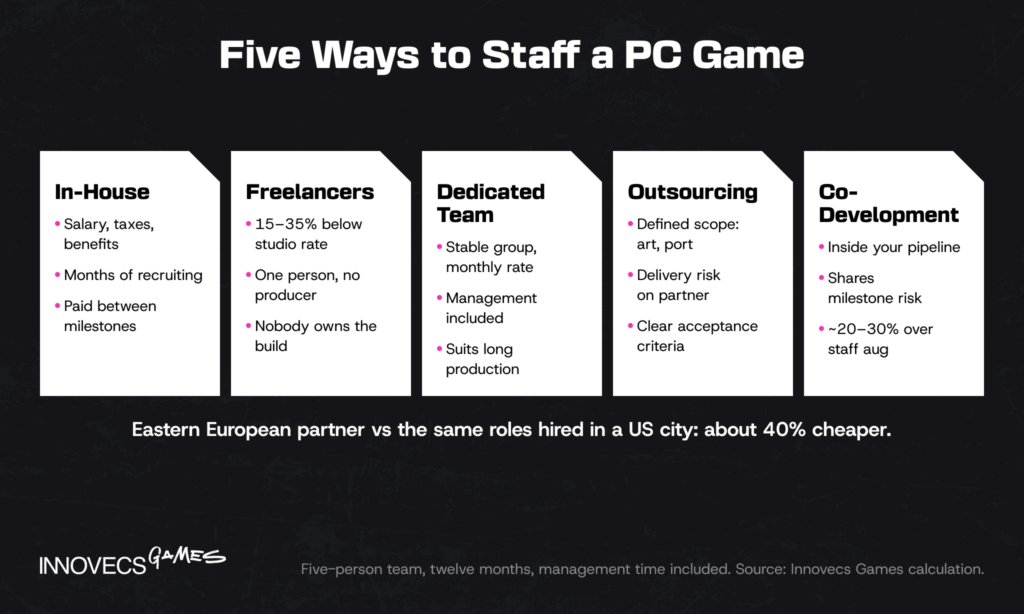
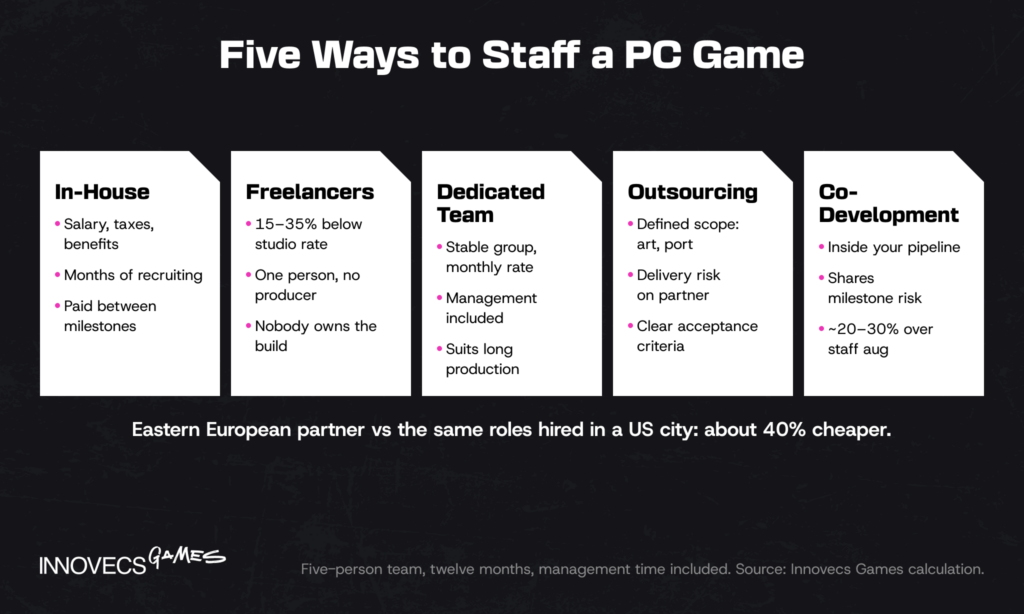
Region is half the story; how you engage people is the other half. With an in-house team you pay salary and taxes, then benefits, laptops and desks, then the months it took to recruit everyone, and you keep paying through every quiet stretch between milestones. Freelancers tend to quote 15% to 35% under a studio for the same seniority. The catch shows up when five of them have to agree on one build and none of them owns it. A dedicated team is a vendor’s stable group on a monthly rate with management included, and it’s built for long production. Outsourcing a defined scope, say an art pack or a port, puts the delivery risk on the partner. Co-development sits in between: an external team inside your pipeline that shares responsibility for milestones, at about 20% to 30% above the same people under staff augmentation. In a calculation we ran for a five-person, twelve-month team, an Eastern European partner came out about 40% cheaper than the same roles hired in a US city, once your own management time was counted.
Platform Fees and Other Hidden Expenses
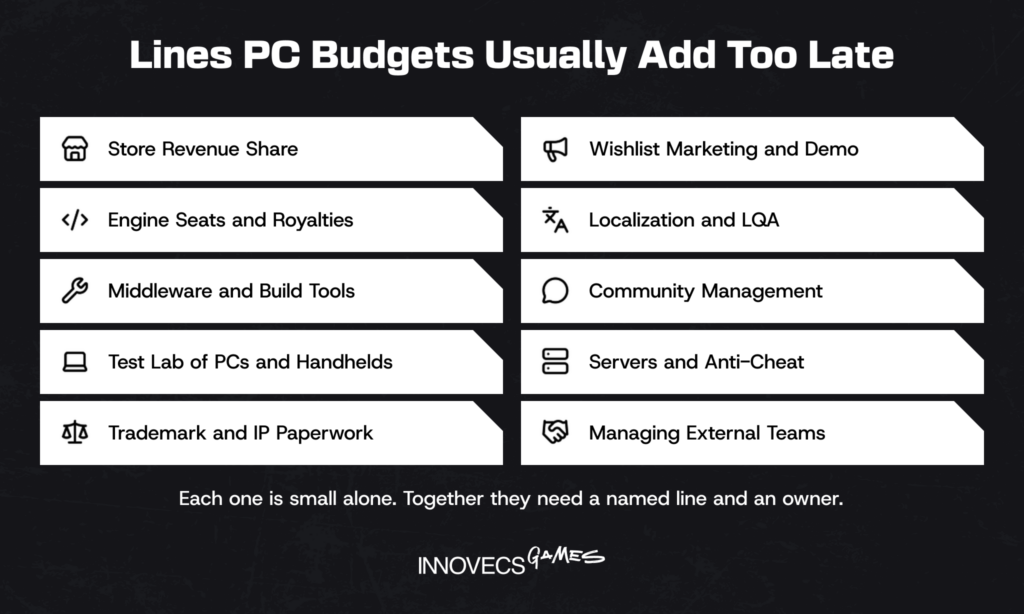
Most PC budgets we review are complete on the build and thin on everything around it. The lines below are the ones that get added late, usually when the money is tightest. Store and engine terms were checked on November 2, 2026.
Storefront Fees and Revenue Share
Getting onto Steam is the cheapest line in this article. Each product pays a $100 Steam Direct fee, and Valve hands it back after $1,000 in adjusted gross revenue, free-to-play titles included. So if the question is how much it costs to publish a game on Steam, the entry ticket is close to nothing. The real cost is the revenue share that follows. Valve’s cut steps down with lifetime sales, from 30% to 25% past $10 million and to 20% past $50 million, a scale it set in 2018 that mostly helps the games that need help least.
Epic’s offer reads better on paper: no cut at all on a product’s first $1 million each calendar year, 12% after that. In a sales forecast it matters less than it looks, because for most PC games Epic is the second shop, not the first. The bigger number for most teams is what happens before any store takes a cut: sales tax, refunds, regional pricing and discounts. In our experience, a studio keeps roughly 55% to 65% of list price per copy on Steam once all of that is counted.
Engine Licensing, Middleware, and Tools
Unreal Engine is free to develop with and charges a 5% royalty on lifetime gross revenue above $1 million per product. Sell through Epic’s own store and that revenue doesn’t count. Unity draws its line at $200,000 in revenue and funding. Below it, Unity Personal is free; above it, every seat moves to Pro at $2,310 a year, a price that went up 5% in January 2026. A publisher advance counts toward that line, so signing a deal can move the whole team onto Pro seats a year before the game sells a single copy. Godot costs nothing.
Then come the smaller lines that add up. Audio middleware, physics or networking plugins, source control hosting, build servers, crash reporting, performance capture tools, and a test lab of PCs and handhelds. Legal work belongs on the same list: a trademark search before the Steam page goes live, contracts with every contractor that assign the IP to you, and a check of every marketplace asset’s license. None of them is large alone. Together they deserve a named line and an owner.
Marketing, Community, and Localization
On PC, marketing is mostly wishlists, and wishlists take months. A Steam page should go live as early as the art can carry it, a demo should land in a Next Fest, and the trailer should be budgeted before the last month of production. In the indie PC launches we’ve budgeted, marketing and launch took 10% to 20% of the development budget, more in crowded genres. At AA and AAA scale the ratio climbs fast, and in our experience it often reaches half of the development budget or more.
Valve’s Steam team answers developer questions on Next Fest visibility and demo pages, straight from the source.
Localization pays back well on PC because Steam’s audience is so international. In our projects, text translation has run $0.08 to $0.20 per word depending on the language, with linguistic testing in the build on top. Take a compact strategy game, 25,000 words, going out in the five languages that cover most Steam buyers. Before anyone records a voice line, that’s roughly $12,000 to $20,000. Worth it? Valve’s October 2026 survey put English at 39.04% of users, with Simplified Chinese right behind at 21.98%. That mix jumps around from month to month, so don’t plan to the decimal. The direction holds, though, and an English-only PC game walks past a large share of the people who’d buy it. For the extreme version, look at Black Myth: Wukong. In its launch week in August 2024, over 92% of its Steam reviews were written by players in China. Community management is the line studios forget entirely. Someone has to run the Discord, answer the Steam forums and turn bug reports into tickets, every day from the demo onward. We’d fund that person before a bigger music budget. Average music gets forgiven. A forum where nobody answers doesn’t.
Servers, Anti-Cheat, and Ongoing Maintenance
Servers start costing money at the first public playtest. Not at launch, and certainly not at the first sale, and the meter runs on player count, which has nothing to do with revenue. So the budget needs load testing and enough capacity to survive launch week, and after that a smaller monthly figure (smaller, that is, if the crowd thins out the way crowds usually do). Success breaks plans too. Two weeks after Palworld launched in January 2024, Pocketpair’s CEO posted a projected server bill of about 70 million yen for February, roughly $475,000 for one month, and joked about going bankrupt from it. A hit can carry that. A game selling a tenth as well, on the same architecture, can’t. Anti-cheat, at least, got cheaper. Easy Anti-Cheat has been free for all developers since Epic changed the terms in 2021, and Valve’s own anti-cheat doesn’t cost Steam developers anything either. The license stopped being the expensive bit; people are. Somebody has to wire it in, somebody has to get it working on Linux and the Deck without locking out players on Proton, and somebody reads the reports every morning. And maintenance never really ends. Drivers update. Windows updates. Steamworks gets a new SDK, the engine gets a hotfix, and not one of those companies asked when your next milestone is. It’s not unusual for a build that was fine on Monday to crash after a Tuesday driver release, with nobody on the team having touched the code.
Managing External Teams
Outside teams eat inside hours, and those hours almost never get a budget line. Who reviews the vendor’s builds and answers their questions? Who signs off the milestone and checks the work against your art bible and coding standards? On an AA project, the answer is usually a lead who is also building the game. At AAA scale it’s an external development director and outsource managers, and four or five vendors can quietly add up to a full-time coordination job. No org chart shows that job. So it gets done at 11 p.m., by a lead.
More meetings won’t fix it; structure will. Give each external team one named contact on your side and a producer on theirs, and put both teams in a single tracker. They should build through the same pipeline your own people use, not send a zip file every Friday. Then review the build every week against acceptance criteria somebody actually wrote down. Bad vendor experiences we hear about usually trace back to a missing piece of that list, not to the vendor’s skill. Fewer, larger partners also tend to cost less to run than many small ones, as long as you’re comfortable with how much of the game each one holds. When to bring outside help in, and in what form, is really a savings question, and we come back to it under how to spend less.
How to Estimate Your Own Budget
With the hidden lines on the list, an estimate stops being a headcount guess. Three steps cover most of a credible game development cost estimation, and they’re the same ones a publisher’s producer will use to check your numbers. A fourth checks the result against what the game has to sell, the next one looks at the same budget from a publisher’s side, and the last part lists the mistakes that most often break an estimate. The worked example below follows a mid-size PC game: a stylized 3D action game for PC and Steam Deck, single-player, built mostly by an external team in Eastern Europe.
Define Scope and Target Hardware
Write down what the game is in a page: genre, length, number of levels or zones, number of characters, and what’s cut. Then define the PC targets: minimum spec, recommended spec, Steam Deck status, input methods and languages. Each of these settles a cost line: hardware targets set the QA matrix, languages set the localization budget, and the input methods decide how much UI work there is. If you can’t decide the minimum spec yet, that’s a sign pre-production isn’t finished. Teams sometimes call that flexibility. Finance calls it an open-ended line.
Most of the PC-specific lines can be priced on their own, which makes them easy to add or cut as the scope moves:
| PC-specific work | Typical cost | What it covers |
|---|---|---|
| Compatibility QA, one full pass | $8,000 to $25,000 | 50 to 150 hardware configurations on a major build |
| Steam Deck Verified | $10,000 to $40,000 | UI scaling, controller glyphs, performance at 800p, suspend and resume |
| Graphics settings menu | $15,000 to $50,000 | Presets, live previews, VRAM indicator, ultrawide support |
| Full input rebinding and controller support | $10,000 to $35,000 | Keyboard, mouse and several controller types, glyph switching |
| Upscaler and frame generation support | $5,000 to $20,000 | Vendor plugins exist; testing across GPUs is most of the cost |
| Steamworks integration | $5,000 to $15,000 | Achievements, cloud saves, overlay, rich presence |
| Shader precompilation and stutter fixes | $20,000 to $80,000 | Pipeline caching, first-launch compile step, traversal hitches |
| Anti-cheat integration | $15,000 to $60,000 | Integration, Linux and Steam Deck compatibility, false-positive review |
| Official mod tools | $50,000 to $300,000+ | Editor build, documentation, file-format stability |
The ranges are wide for a reason. Every line here costs least when it’s in the plan from pre-production and most when it arrives as a bug report in launch week.
Map the Team and Timeline
Turn the scope into people and months, stage by stage, then multiply by a blended monthly rate. Planning dates is the hardest part, and our article on how long it takes to make a video game gives typical stage lengths. For our example:
| Line | Basis | Estimate |
|---|---|---|
| Pre-production | 6 people for 5 months | 30 person-months |
| Production | 14 people for 13 months | 182 person-months |
| QA, polish and launch prep | 16 people for 3 months | 48 person-months |
| Total effort | 260 person-months | |
| Team cost, Eastern Europe | $9,000 blended per person-month | $2.34 million |
| Team cost, same plan with a US in-house team | $16,500 blended per person-month | $4.29 million |
| Non-team lines | Engine seats, audio, localization into 8 languages, test hardware, trailer | $250,000 to $450,000 |
Look at the gap between the two team-cost rows before you look at either total. It’s the same plan and the same people-months, and the region alone moves it by almost $2 million. Same game, same months, different postcode. The example stops at launch, so post-release support comes on top.
The same method works at any size. Here are three more PC budgets built the same way, with contingency included:
| Small 2D indie | Large AA action RPG | Console game brought to PC | |
|---|---|---|---|
| Team and time | 3 people for 12 months | 60 people for 30 months on average | 3 people for 4 months |
| Effort | 36 person-months | 1,800 person-months | 12 person-months |
| Team cost | $288,000 at $8,000 a month, mostly mid-level | $16.2 million in Eastern Europe, $29.7 million with a US in-house team | $108,000 at $9,000 a month, senior-heavy |
| Non-team lines | $40,000 to $80,000 | $1.5 million to $3 million, including voice, motion capture and 10 languages | $10,000 to $20,000 |
| Contingency | 20% | 20% | 15% |
| Total | About $390,000 to $440,000 | About $21 million to $23 million, or $37 million to $39 million in the US | About $135,000 to $150,000 |
The indie column lands at the top of the small-indie range because every seat in it is paid at commercial rates; founders working for equity bring the cash figure down sharply. The port column covers a mid-size 3D game moving from console to PC. Sony’s AAA example from the introduction, $2.6 million for Ratchet & Clank: Rift Apart, shows how far that number stretches at the top end.
Add a Contingency Buffer
Add 15% to 25% on top of everything. That money exists for the driver bug nobody has reported yet and the vendor who slips a month. The moment it pays for a feature somebody wanted all along, it stops being contingency. First projects and online games sit at the top of that range. Put 20% on our worked example and the Eastern European version lands at about $3.1 million to $3.35 million, the US in-house one at about $5.45 million to $5.7 million. Look at what’s left of it at every milestone. Half gone before beta? Then the plan is wrong, and topping up the buffer won’t fix it.
Check the Budget Against Sales
A budget is approved in dollars and judged in copies, so convert one into the other before anyone signs. Our assumption: after Valve’s share, sales tax, refunds and regional pricing, the studio keeps about 60% of list price, and there’s no publisher in the deal yet.
| Budget | At $19.99 | At $29.99 | At $49.99 |
|---|---|---|---|
| $1 million | 83,000 copies | 56,000 copies | 33,000 copies |
| $5 million | 417,000 copies | 278,000 copies | 167,000 copies |
| $20 million | 1.67 million copies | 1.11 million copies | 667,000 copies |
Source: Innovecs Games arithmetic from the stated assumptions. Real break-even is higher, because most lifetime copies sell at a discount.
The AA example above is the best case. Warhorse sold a million copies of Kingdom Come: Deliverance II in its first day, which is how its $41 million budget paid back that fast. Most AA games never get a day like that, which is why we’d plan against the left-hand column. Does the plan only work at a price your genre rarely charges? Then cut scope now, while cutting is still cheap. Then, once production is underway, put two numbers side by side every month: the share of budget spent and the share of milestones actually accepted. If spending is ten points ahead, don’t wait for it to even out. In our experience it doesn’t.
The table assumes a premium game sold once, and PC gives you a few other ways to change that math. Early Access pulls money and feedback in before 1.0. The price is a year or more of public updates, and those need a budget of their own. DLC and expansions are slower money, spread over years, but they run on tools and assets you’ve already paid for once. Free-to-play changes the whole shape. Copies are replaced by retention and in-game spending, and a big chunk of the cost lands after launch, in live operations. Call it a business model if you like; on the spreadsheet it behaves like a budget decision, and a large one. Make it before production, not after the first sales report.
What Publishers Should Check in a PC Budget
A publisher reads the same numbers from the other side of the table. The break-even table above becomes the recoupment line: fund a $5 million budget for a $29.99 game and roughly 278,000 copies have to sell before the advance is earned back. After that, if the split is 50/50, every extra copy puts roughly $9 in each party’s pocket. Which is why a publisher who skims past the hardware and QA lines is making a mistake (arguably a bigger one than the studio would). A launch that loses its first two weeks to performance reviews delays recoupment for everyone.
Five checks catch most PC budgets that won’t hold:
- A written minimum spec and QA matrix. If those don’t exist, compatibility testing isn’t in the plan, no matter what the summary slide claims.
- Milestones that mean a playable build on the minimum-spec machine. Documents and editor captures don’t count. Pay against what runs.
- A named owner for performance. If nobody’s job title includes it, it’s scheduled for the last month.
- A launch-week reserve. Driver issues, a day-one patch and store events need people who aren’t already rolling off the project.
- For a console title coming to PC, a separate port line. A day-one PC launch moves that work into the main budget; a later port needs its own team, schedule and QA.
Studios can use the same list in reverse. A pitch that answers all five before the publisher asks is a pitch that gets a shorter due diligence. Publishers will tell you they don’t have favorites. They do, and it’s the team that already knows its minimum spec.
Common Estimation Mistakes
An estimate is only as accurate as what’s known when it’s made. In our experience, a number built from an idea and a feature list can miss by 50% either way. After a playable prototype, the error usually shrinks to about 25% to 30%, and after a vertical slice to 10% to 15%. The mistakes we see most often in PC budgets are predictable, which is the irritating part:
- No minimum spec, so no QA matrix. Compatibility testing ends up priced at zero.
- Unpaid founders left out. The cash budget looks fine until someone needs a salary in month ten.
- Marketing treated as a launch-month line. On PC, wishlist building starts a year earlier.
- No post-launch budget. Patches, driver issues and store events start the day after release.
- Store share counted at 70%. After taxes, refunds and regional pricing, it’s closer to 60%.
- Features added in production priced at their build cost only. Every one of them drags art, QA and localization along behind it.
Want quotes you can actually compare? Send every studio the same pack: a short design document or a feature list, the platforms and minimum spec, your languages, a few reference games, and the launch window you’re aiming for.
Want a Second Opinion on Your Numbers? Let’s Talk
If you already have a PC estimate, we’re happy to be the people who poke holes in it. Send it over with the scope and your target hardware; you’ll hear back where it’s thin, and which roles would cost you less to bring in than to hire.
How to Spend Less Without Cutting Quality
Everyone’s first instinct is to negotiate the hourly rate. Most of the real savings, though, get decided before production starts. Win five dollars an hour, change the minimum spec in month twelve, and you’ve saved nothing at all.
Validate the Idea With a Prototype or Vertical Slice
Two questions, two tools. Whether the core loop is fun is the prototype’s job to find out, and the vertical slice tells you what the game will cost at final quality. Neither is expensive next to production: three or four people for four to eight weeks, at Eastern European rates, comes to roughly $25,000 to $60,000 for a prototype. The slice also gives you real numbers for the rest of the plan, such as hours per level, assets per minute of play, and frame time on your minimum spec. We’ve watched a single good slice settle more budget arguments than a month of spreadsheets.
Reuse Proven Tools and Assets
A lot of what a PC game needs is already sitting on a shelf. Engine templates, props and foliage from the marketplace, audio and physics middleware. Achievements, cloud saves, matchmaking? Steamworks already does those, and Easy Anti-Cheat won’t cost you a cent. Custom art money should go where players’ eyes go. In our projects that’s nearly always the characters, a handful of hero locations, and anything the trailer editor is going to cut to. Modular kits earn their keep twice on PC: once when you build with them, and again in performance, since shared assets mean fewer draw calls and less pressure on an 8 GB card. Where a crate came from has never once shown up in a Steam review.
Outsource or Co-Develop Specific Disciplines
Some roles you need for the whole project. Plenty you don’t. Technical art, performance work, compatibility QA, porting and localization are all expensive to hire full-time, and most of them are busy for a few months at best. That’s where PC game development outsourcing pays off, on the bounded jobs, while your own people hold on to the design, the art direction and the code that makes the game feel like itself. For longer stretches there are two shapes. With game co-development, an external team works inside your pipeline as if it were another department. Classic game development outsourcing is better for work you can hand over whole, with acceptance criteria agreed before anyone starts. Neither one runs itself (someone on your side will spend part of every week reviewing what comes back).
Then there are the people you need for weeks. A UI/UX designer while the settings menu and the store capsule art get done. Same for the VFX artist you want before the trailer and the lighting artist for the final pass. Mocap is usually one day in a studio; the Steam page cinematic, a few weeks of someone’s time. Putting any of these people on staff makes little sense on a PC budget. The catch is that good freelancers get booked early, often for the exact week you were planning to call.
Add Burst Capacity Before a Milestone Slips
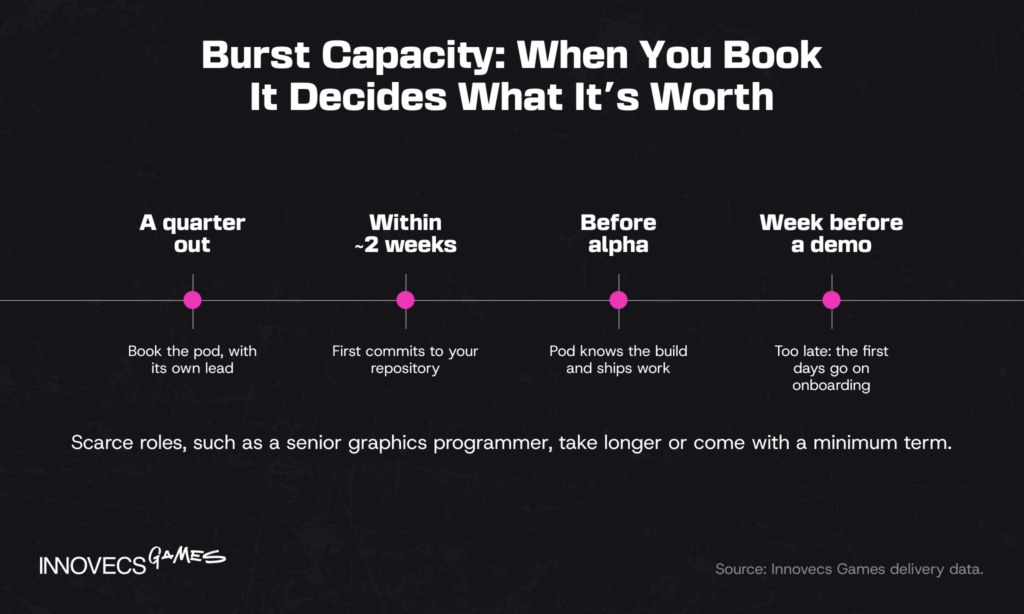
AA teams stay small on purpose, because a small team keeps the monthly burn low. The catch? When a milestone wobbles, there’s nobody spare. The overflow lands on the leads, who are already building the game and mentoring a junior-heavy team on the side. Burnout starts right there, and it isn’t cheap. Lose a lead in month eighteen and you lose everything that only lived in their head, which no budget line can buy back. Hence the boring advice: line up extra capacity while you still don’t need it. For common roles, a partner with a bench can often have people committing to your repository within a fortnight. Scarce roles, a senior graphics programmer for instance, take longer or come with a minimum term. Insist on a pod with its own lead; otherwise your leads end up handing out tickets instead of reviewing results. Book it a quarter out, not a sprint out. An outside team spends its first days learning your build, which is fine before alpha and useless the week before a demo.
How AI Is Changing the Economics of PC Development
This year the first question in most budget reviews isn’t about rates. It’s whether AI changes the number. The tools are part of most PC pipelines, and the savings so far are real but narrow. You’ll find them in boilerplate, placeholder art and repetitive testing. You won’t find them in design, art direction, game feel or optimization.
On the code side, assistants are good at the dull stuff: an editor tool, a build script, a save migration, test scaffolding. A small team where one programmer owns four systems feels that most. Art teams use generation to explore concepts and fill placeholders, so a prototype looks finished enough to put in front of testers weeks sooner. And terrain, foliage and level variations? Still mostly procedural generation, a technique that was doing this job decades before the current wave. Automated testing is the most PC-relevant use: bots can play the same route across dozens of hardware configurations overnight and flag frame-time spikes, crashes and memory leaks for a person to look at in the morning.
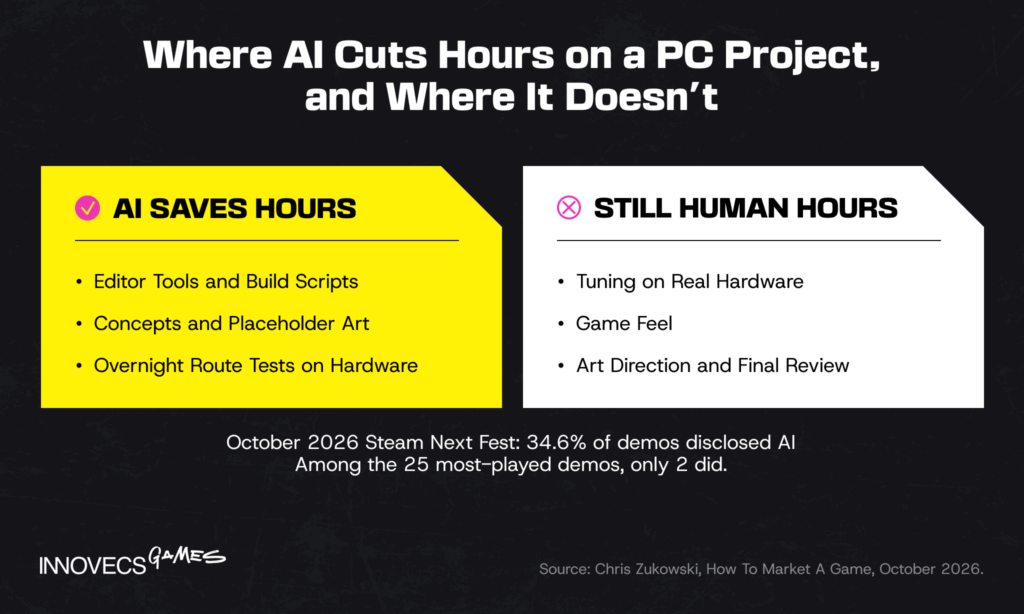
Where AI doesn’t save money is the work players judge. Performance tuning on real hardware, the feel of a jump, a consistent art style and a final review of every generated asset still take human hours, and the review can eat most of what generation saved. Then there’s the store. Valve has required developers to disclose AI-generated content since January 2024. Sulka Haro’s census of Steam releases puts the sales share of games with a disclosure at only an estimated 10% to 27%. Zukowski’s count of the October 2026 Next Fest showed the same gap more sharply: 34.6% of the field disclosed AI, against 2 of the 25 most-played demos. Players haven’t banned AI. They’ve just been reluctant to buy what it made. The exceptions are instructive. Embark’s ARC Raiders took heavy criticism for text-to-speech voices and still sold more than 16 million copies, according to Nexon’s May 2026 results. A hit can absorb that kind of backlash. A $400,000 indie game launching into the same argument usually can’t.
So our view for a PC budget is simple. Use AI to test more ideas before money is committed and to cut repetitive hours inside the pipeline, and don’t delete a line from the art budget on the strength of it. Ask any vendor for its AI policy in writing, and make sure every generated asset in the shipped game is known, reviewed and disclosed. The IP risk of a generated asset is yours the moment it ships.
How Innovecs Games Helps Studios Ship PC Titles Efficiently
Most studios that come to us already have a core team and a specific PC gap. It might be performance work before launch, a technical art pass, compatibility QA or Steam Deck support. Sometimes it’s a team to build a whole feature while their own people stay on the game. We’ve spent 11+ years and 300+ game projects on that kind of work, with 200+ specialists in Eastern Europe, Western Europe and North America.
Our PC game development services cover full-cycle builds in Unreal and Unity as well as single disciplines, and we work in your engine, your repository and your sprint cadence. Teams join as a co-development pod with their own lead and producer, as a dedicated team, or on a fixed scope with acceptance criteria. For larger productions, our AAA game development teams work as one workstream among several. Our rates sit in the Eastern European band, with senior-heavy teams. For bulk asset work with no daily judgment calls, an Asian vendor will usually beat our price, and we’ll say so on the first call.
Not ready for a full engagement? Start with something small enough to measure. That could be a performance audit on your minimum-spec machine, a single level built to your art bible, or a compatibility pass before a demo. Studios with strong in-house teams often use us like this too, for overflow before a milestone, or to run a parallel prototype so their own people can stay on the main game. Every team gets a producer on our side who owns reporting, so your leads stay leads instead of becoming vendor managers. The range of work behind these numbers is in our portfolio.
FAQ
What expenses go into a PC game budget?
Salaries, mostly: 70% to 85% of the total. The rest is a long tail of smaller lines, from engine and middleware licenses to audio, localization, compatibility QA with its test hardware, the $100 Steam fee, marketing and community. Online games add servers and anti-cheat. On top goes 15% to 25% contingency, plus money for the first year after launch.
What is the average PC game development cost for an indie studio?
No single average describes indie, because the category runs from a solo developer to a 15-person team. A paid team of two to five people usually spends $30,000 to $400,000 over six months to two years, and a team of five to fifteen spends $400,000 to $3 million. Unpaid founder time can cut the cash figure sharply without changing what the game really cost to make.
Is it cheaper to make a game for PC than for consoles?
Cheaper to get onto the store, usually more expensive to support. PC skips certification and devkits and charges $100 to list a game on Steam. What PC adds is the bill afterward: thousands of hardware configurations, several kinds of input, driver issues that never quite stop. For a mid-size 3D game, the totals often land close together.
How much does it cost to publish a game on Steam?
A hundred dollars per game for Steam Direct, refunded once you’ve made $1,000. That’s the cheap part. Valve then takes 30% of revenue until $10 million, 25% until $50 million and 20% after. Budget separately for the store page, trailer, demo and months of wishlist work, since that’s where launches are actually won or lost.
How long does it take to develop a PC game?
Roughly: six months to two years for a small indie game, one to two and a half for a bigger one, two to four for AA, three to six for AAA. The minimum spec and the engine, both settled in pre-production, shift the date more than anything decided later. We’d add a buffer and put it near the end, since that’s where delays tend to show up, right when payroll is largest.
Which game engine is the most cost-effective choice?
The one your team already ships in. On paper, Godot wins at zero. Unity costs nothing under $200,000 in revenue and funding and $2,310 per Pro seat a year over it; Unreal charges 5%, but only once a game passes $1 million. Retraining a team, or rebuilding its tools, would cost more than any of those numbers.
How much do game developers charge per hour?
Location moves the number more than anything else: through a studio or vendor, a senior gameplay programmer in North America bills around $120 to $170 an hour. Western Europe is a little lower at $100 to $140, Eastern Europe and Ukraine sit at $65 to $95, and India or Southeast Asia at $45 to $65. Engine programmers sit higher, QA testers a lot lower. Freelancers can be 15% to 35% cheaper, though you get one person, with no producer or QA attached.
Does outsourcing really reduce development costs?
For bounded work, usually yes. In our own calculation for a five-person, twelve-month team, an Eastern European partner came out about 40% cheaper than the same roles hired in a US city, once your management time was counted. The saving shrinks for core systems you’ll iterate on for years, which is why most studios outsource specific disciplines and keep design and art direction in-house.
🤖 Does AI make PC games cheaper to develop?
A little, and mostly in code, placeholders and testing. Assistants and test bots do save hours on the repetitive stuff, but design, art direction and performance tuning still cost what they always did. Review time takes back part of the saving, and Steam requires disclosure of AI-generated content players see.
🤖 Can AI tools replace parts of a game development team?
They can take over tasks, not roles. Bots can run regression tests across hardware configurations, and assistants can draft tools code and placeholder art, but someone still has to judge, fix and approve the result. On PC, the people AI helps most are the ones who were spending their week on repetitive work.
Planning Your Next PC Title? Get a Clear Estimate From Our Team
Send us your scope, target hardware and launch window. We’ll come back with a line-by-line PC game development cost estimate, the team we’d staff and the assumptions behind each number.