Cost of Concept Art Creation for Games: A Practical Budgeting Guide

The cost of concept art creation is a key budget consideration in the gaming industry, where visual decisions made early can shape the entire game development process. From defining characters to building immersive environments, concept art influences how a game looks, feels, and evolves. When art cost is underestimated or misunderstood, studios often face delays, inconsistent visuals, or costly revisions later in production.

Game developers frequently struggle to answer basic questions such as: “How much does concept art cost?, “What level of detail is required in early stages?”, and “How concept art pricing differs between indie and AAA projects?” These challenges are amplified by the wide range of art styles, production scopes, and artist experience levels found in modern game development.

This article breaks down cost drivers, pricing models, and practical budgeting considerations, helping studios and developers plan visual development more effectively without sacrificing quality.
What Is Concept Art in Game Development

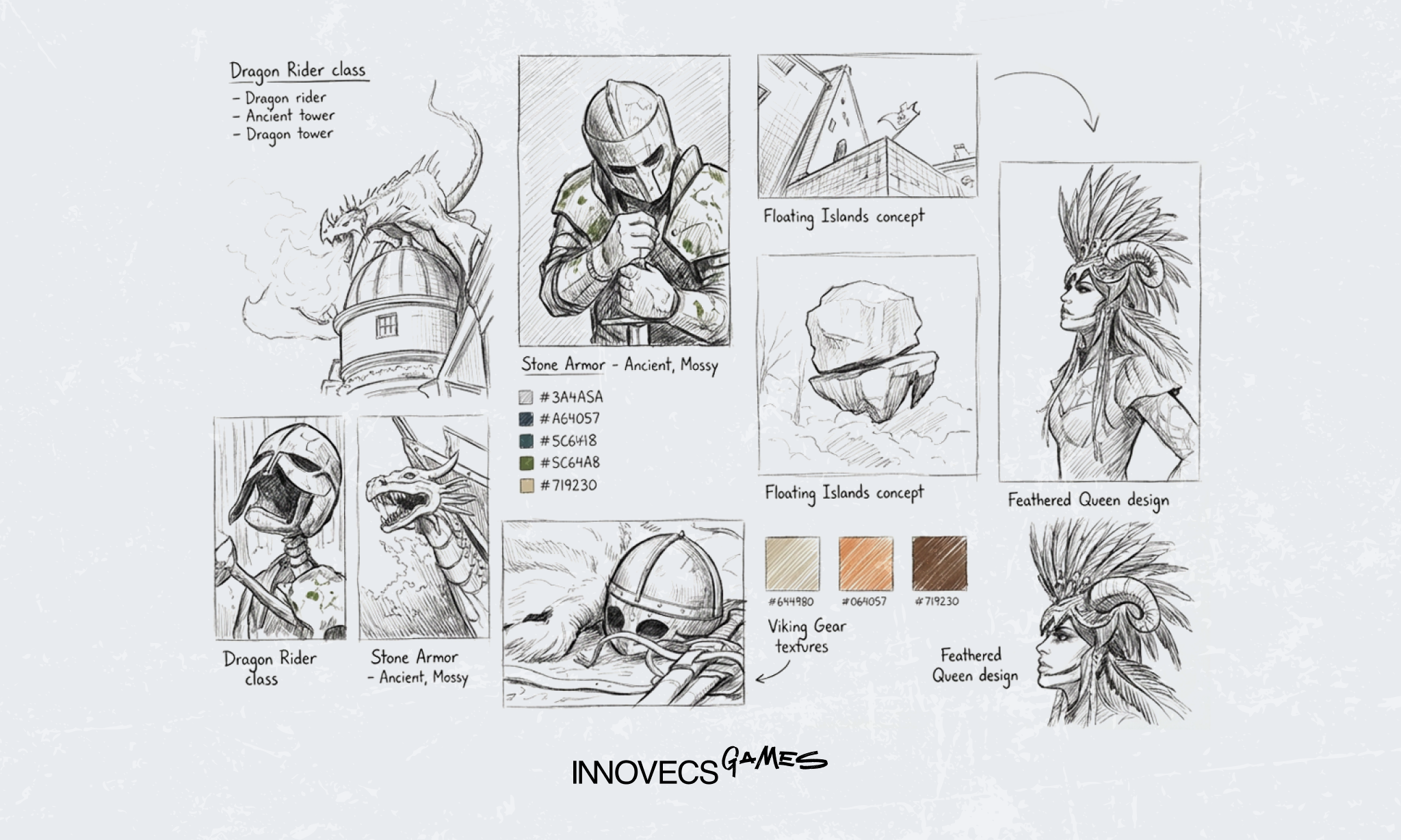
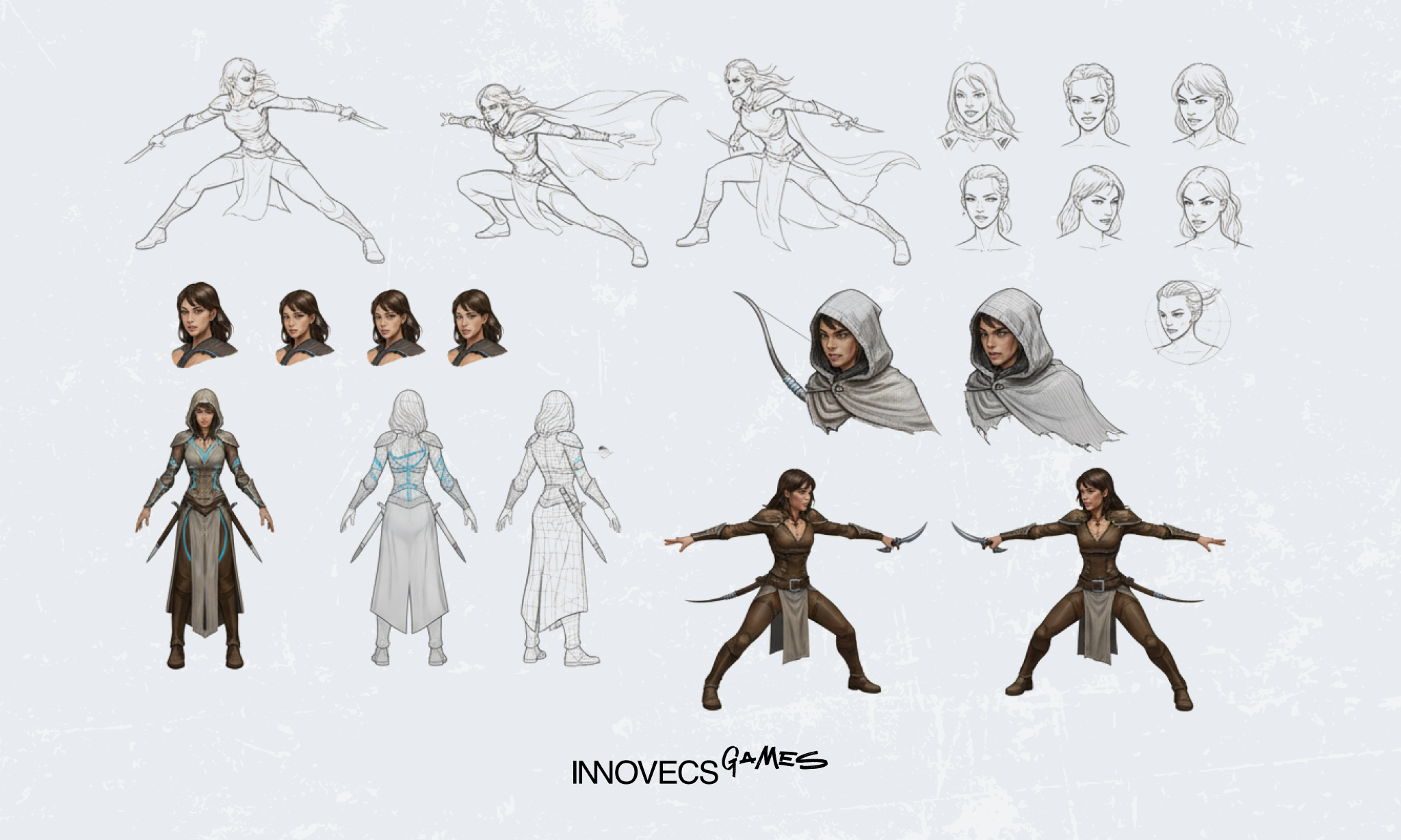
Concept art in game development is a visual representation of ideas used to define the look and structure of a game before production assets are created. It helps teams visualize ideas for characters, environments, props, and key scenes during the pre-production phase. This makes concept art a foundational tool for visual storytelling and creative alignment.

Game concept art allows developers to explore multiple directions quickly, testing art style, mood, and visual consistency without committing to expensive game art production.

Character concept art focuses on silhouettes and personality, while environment concept art establishes the game world and spatial logic that players will experience.

Why Concept Art Cost Matters in the Pre-Production Phase

Concept art cost matters most during the pre-production phase because this is where creative decisions have the greatest impact on the entire game development pipeline. Choices made at this stage influence character design, environment layout, visual consistency, and even technical requirements later in production. When the art cost is not planned early, projects often face rework that increases expenses across the entire project.

In the early stages, concept art helps define project scope and establish a clear visual direction. Investing appropriately at this point allows teams to identify problems before they reach the production stage, where changes are far more expensive. Clear concept art also improves communication between designers, artists, and stakeholders, reducing misunderstandings that lead to unnecessary revisions.

By treating concept art as a strategic investment rather than an optional expense, game studios can better control art cost, align quality expectations, and move into production with confidence.

contents concept art

What You Are Really Paying For

Concept art cost for games reflects far more than the final image delivered to a studio. In game development, the cost of concept art includes the creative problem-solving, iteration, and visual development work required to shape a playable and believable game world. Each concept supports downstream teams such as modeling, animation, and level design.

When budgeting for concept art creation, studios are paying for time, expertise, and production alignment. Clear communication, reference materials, and feedback cycles are all part of the process and directly affect art cost. This is why two projects with similar visuals can have very different concept art pricing.

In most game projects, art cost typically covers:

  • Exploration of ideas through rough concepts and basic sketches
  • Refinement into approved visual assets for the same project
  • Collaboration with the art director and creative director
  • Revisions needed to align quality and visual consistency

Understanding these elements helps studios evaluate art price realistically instead of judging cost by visuals alone.

Key Factors That Influence the Cost of Concept Art Creation

The cost of concept art creation in game development is shaped by several key variables that determine how much time and expertise a concept artist must invest. These factors affect both small creative projects and larger projects with extensive visual requirements. Understanding them helps studios estimate art cost more accurately and avoid surprises later.

In games, concept art pricing is rarely fixed because each project has different needs, levels of complexity, and production goals. Even within the same project, changes in scope or quality expectations can significantly impact cost.

The most important factors influencing concept art cost include:

  1. Project scope and the number of required concepts across the entire project
  2. Level of detail, from simple sketches to highly detailed concept art
  3. Style complexity and the need for visual consistency
  4. Artist’s experience and overall artist reputation
  5. Intended usage, including internal development or commercial usage

character design

Concept Art Pricing Models Used in Game Development

Concept art pricing in game development usually follows clear pricing models that help studios manage budgets and timelines.

Choosing the right model depends on how well the project scope is defined and how much flexibility the team needs during visual development. Both models are commonly used in game art production and serve different purposes.

In the gaming industry, pricing models are designed to balance fair compensation for concept artists with predictable art cost for studios. Understanding how these models work helps teams avoid budget overruns and mismatched expectations as the project moves forward.

The two most common concept art pricing models used for games are hourly rates and flat project fees, each suited to different stages of development and levels of uncertainty.

Hourly Rates vs Flat Fees for Game Art

Hourly rates are typically used when a game project is still evolving and requires flexibility. Freelance artists may charge by the hour when creating rough concepts, quick sketches, or exploratory visuals during the early stages. This approach works well when the final direction is not yet locked.

Flat fees are more common when the project scope is clearly defined. Studios often prefer this model for character concept art, environment concept art, or full visual development packages. Flat fees make art price easier to manage and help ensure predictable costs across the same project.

Art Style and Its Impact on Art Cost in Games

Art style has a direct impact on art cost in game development because it determines how much time, refinement, and technical skill are required to produce usable concept art. Some styles are designed to support faster iteration, while others demand a high level of polish to achieve the desired visual impact.

Stylized games often rely on simplified shapes and controlled color palettes, which makes concept art quicker to produce and easier to revise. In contrast, realistic or highly detailed styles require more precise anatomy, lighting, and detailed textures, increasing both time investment and art price. This difference becomes especially noticeable in character design and environment concept art.

In practice, art style affects concept art cost in the following ways:

  • Stylized visuals allow faster exploration through simple sketches
  • Realistic styles require highly detailed concepts to align with quality
  • Consistent style references reduce revisions and extra art cost

Character Concept Art Costs in Game Production

Character concept art plays a central role in game production because characters are often the most visible and recognizable elements of a game. The cost of character concept art depends on how complex the design is, how detailed the final concept needs to be, and how many iterations are required to reach approval. These factors directly influence art cost and scheduling.

In the early stages of game development, studios often commission rough concepts to explore silhouettes, proportions, and overall character direction. As the project moves forward, character design becomes more refined to support animation, modeling, and gameplay needs. This progression naturally increases the art price as more time and precision are required.

Managing character concept art costs effectively means matching the level of detail to the project’s stage. Not every character needs premium concept art, especially early on, but core characters usually require higher investment to ensure strong visual storytelling and long-term consistency.

Related Reading: The Ultimate Guide on How to Design Video Game Characters Effectively

Character Sketches vs Detailed Character Concepts

Character sketches and detailed character concepts serve different purposes in game development, and understanding the difference helps studios control character concept art costs. Each format supports a specific stage of visual development and production readiness.

AspectCharacter SketchDetailed Character Concept
PurposeExplore ideas quicklyGuide production and marketing
Level of detailSimple sketches and rough conceptsHighly detailed with defined features
Typical useEarly stages of pre-productionProduction stage and approvals
FocusSilhouette and basic formFacial expressions, materials, style
Art price impactLower costHigher art cost

Using character sketches first allows teams to visualize ideas efficiently, while detailed concepts are reserved for finalized designs that must align quality across the entire project.

Environment Concept Art and Environment Design Costs

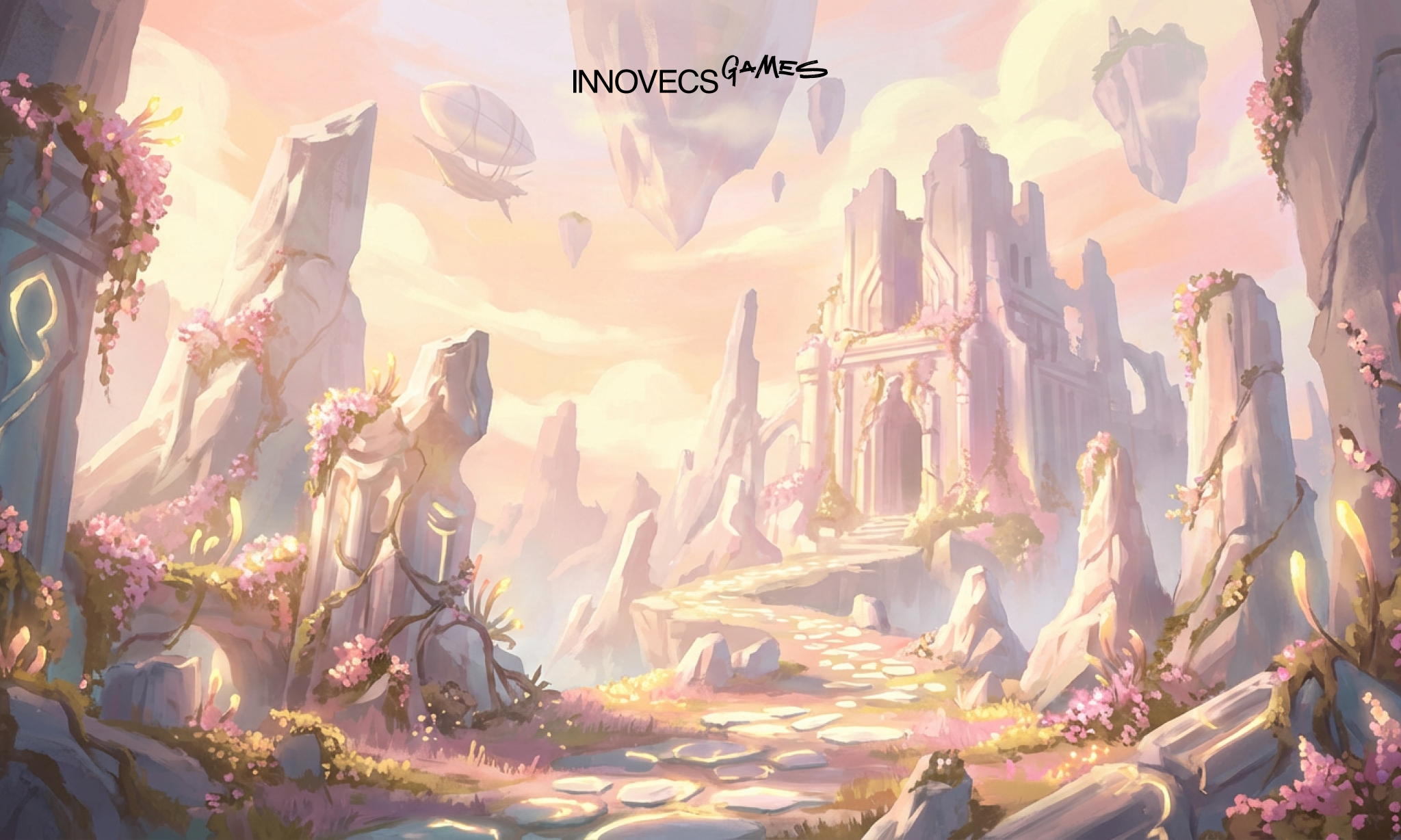
Environment concept art defines the spaces players explore, making it essential for shaping the game world and guiding environment art production. In game development, environment design costs are typically higher than character sketches because scenes must communicate scale, mood, navigation, and gameplay logic at the same time.

During the pre-production phase, environment concept art helps teams test layouts, key scenes, and scene composition before committing to full asset production. As concepts become more refined, they include lighting, materials, and detailed textures to ensure visual consistency across levels. This added complexity directly affects art cost and timelines.

By separating early exploration from later refinement, studios can control environment concept art costs while still building immersive, cohesive game worlds that support long-term production needs.

Related Reading: How to Make 2D Game Art: A Beginner’s Guide to Essential Techniques

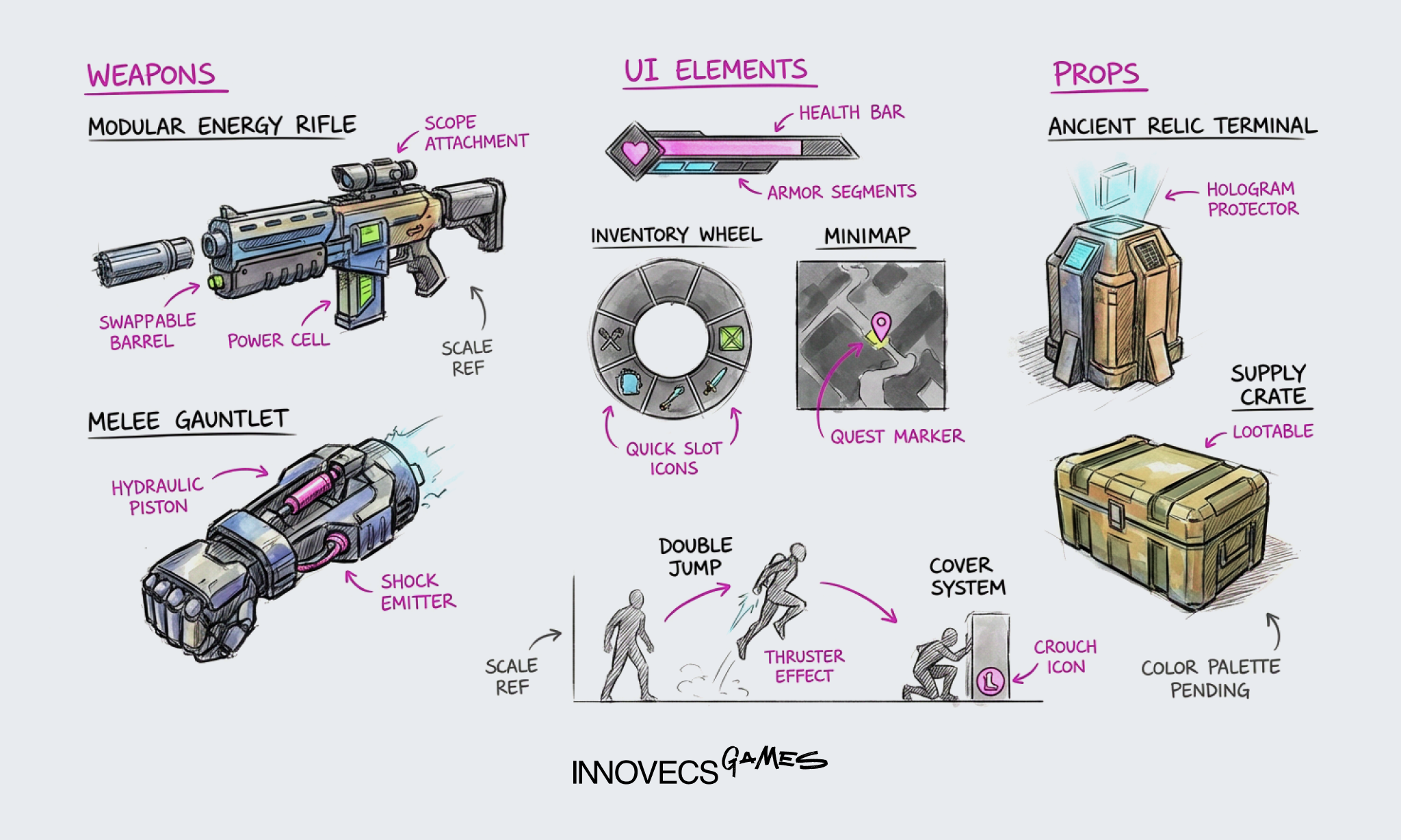
Prop Design and Supporting Visual Assets

Prop design supports both character and environment work by defining objects that players interact with throughout the game. Weapons, tools, vehicles, and interactive items are all part of a game’s visual assets, and their design must align with gameplay mechanics and the overall art style. Because of this, prop concept art plays an important but often underestimated role in game development.

In the early stages, prop design may rely on simple sketches to establish shape and function. As production progresses, key props often require more detailed concept art to guide modeling and texturing accurately. Intricate props with gameplay relevance or narrative importance naturally increase art cost due to added refinement.

Including prop design in the project scope from the beginning helps studios estimate the true cost of art creation and prevents gaps in visual consistency later in the production stage.

key features

Average Concept Art Cost Ranges for Games

The cost of concept art in game development varies widely based on the type of artwork, level of detail, and intended usage. Presenting typical ranges helps studios set realistic expectations and compare art prices against project needs. These ranges reflect common industry practices rather than fixed rules.

Concept Art TypeTypical Cost RangeKey Cost Drivers
Character concept art$200–$1,500Complexity, facial expressions, detail level
Environment concept art$1,000–$5,000Scene composition, scale, detailed textures
Prop design$100–$500+Intricate props, gameplay relevance
Highly detailed concept art$500–$5,000Refinement, premium concept art quality
AAA visual development packages$25,000–$100,000+Entire project scope, multiple artists

These ranges assume professional rates and fair compensation. Costs increase when projects require commercial usage rights, extensive revisions, or highly detailed visuals for marketing or publisher presentations.

Artist’s Experience and Skill Level in Concept Art Pricing

An artist’s experience is one of the strongest predictors of concept art cost in game development. Highly skilled artists bring faster problem-solving, stronger visual storytelling, and production-ready results, which directly affects pricing. Studios are not only paying for execution, but for decision-making that reduces risk across the entire project.

Beginner artists usually charge lower rates and are often suitable for simple sketches or early exploration. Experienced artists, on the other hand, are trusted to deliver detailed concept art that aligns with technical constraints and long-term production needs. This difference in reliability and efficiency is reflected in both hourly rates and flat fees.

In the gaming industry, freelance concept artists typically charge between $25 and $500 per hour, depending on experience and complexity. Artists with extensive portfolios and proven game credits command higher art prices because their work requires fewer revisions and integrates more smoothly into the production stage.

stunning visuals

Artist Reputation and Portfolio Quality

An artist’s reputation plays a major role in determining concept art pricing in the gaming industry. A strong reputation is usually built through consistent delivery, recognizable art style, and successful contributions to shipped games. Studios rely on reputation to assess risk, especially when commissioning concept art that will guide the entire project.

A concept artist’s portfolio is the primary tool for evaluating suitability for a game project. Extensive portfolios that show a broad range of character concept art, environment concept art, and prop design demonstrate adaptability and production awareness. Artists who can clearly show visual consistency and problem-solving across different game worlds typically charge a higher art price.

In practice, an artist’s reputation and portfolio quality help studios set realistic expectations for concept art cost. Investing in artists with proven experience often results in fewer revisions, clearer communication, and higher-quality concept art that aligns with production needs from the start.

Freelance Artist vs Concept Art Studio for Games

Choosing between a freelance artist and a concept art studio is a strategic decision that directly affects concept art cost, workflow, and production reliability in game development. Both options are widely used in the gaming industry, and the right choice depends on project scope, timeline, and internal resources.

Freelance artists are often more flexible and cost-effective for smaller creative projects, early stages, or specific tasks like character sketches or prop design. Concept art studios, on the other hand, are better suited for larger projects that require consistent output, multiple artists, and structured project management across the entire project.

The table below highlights the key differences to help studios evaluate art price against production needs.

AspectFreelance ArtistConcept Art Studio
Typical costLower upfront art costHigher art price due to team structure
Best use caseSmall scope, quick sketchesLarger projects, full visual development
ScalabilityLimited to one artistMultiple concept artists available
WorkflowDirect communicationManaged pipeline and oversight
ReliabilityVaries by artist’s reputationHigher consistency across the same project
   

Understanding these tradeoffs helps studios plan concept art outsourcing more effectively and choose the right artist or team for their game.

freelance platforms

Commercial Usage and Licensing in Game Concept Art

Commercial usage has a direct impact on concept art cost in game development because it defines how the artwork can be used, distributed, and monetized. Concept art created for internal development is usually more affordable, while artwork intended for marketing visuals, store pages, trailers, or publisher pitches requires broader usage rights and a higher art price.

In the gaming industry, commercial usage often includes exclusive rights, long-term use, and association with a commercial product. These factors increase concept art pricing because they limit how artists can reuse or resell their work. Clear licensing terms also protect both the studio and the artist throughout the production stage.

Understanding basic licensing models, such as non-exclusive versus exclusive rights, helps studios budget accurately and avoid disputes later. General licensing principles are well documented by Creative Commons, which explains how usage rights affect creative work valuation.

Related Reading: How Much Does It Cost to Make a Video Game? A Comprehensive Guide

Final Thoughts

The cost of concept art creation in the gaming industry depends on many interconnected factors, including project scope, art style, artist’s experience, and commercial usage. There is no single correct art price, but understanding how concept art costs is structured allows studios to plan budgets more effectively.

By aligning expectations early, choosing the right artist or concept art studio, and investing strategically during the pre-production phase, game developers can achieve high-quality concept art that supports strong visual storytelling and long-term production success.

READY TO START YOUR PROJECT?
If you need assistance in building a product from scratch or supporting the existing one, drop us a line to discuss details, and we will reply within 24 hours.