There had been no consistent standard for constructing collision meshes on the project, and by this stage of production a manual rebuild was not realistic. The issue was also difficult to judge from individual assets because the cost only became obvious once those assets were repeated across a level.
One wooden walkway made the problem very clear. It had been assembled from individual planks, each sculpted with the crevices, dents, and surface detail you would expect from final visual geometry. In some cases, a single plank could be around 100,000 polygons, and essentially the same level of detail had been carried into its collision. Across an environment containing many of those pieces, the engine was processing collision complexity that added almost nothing to player interaction.
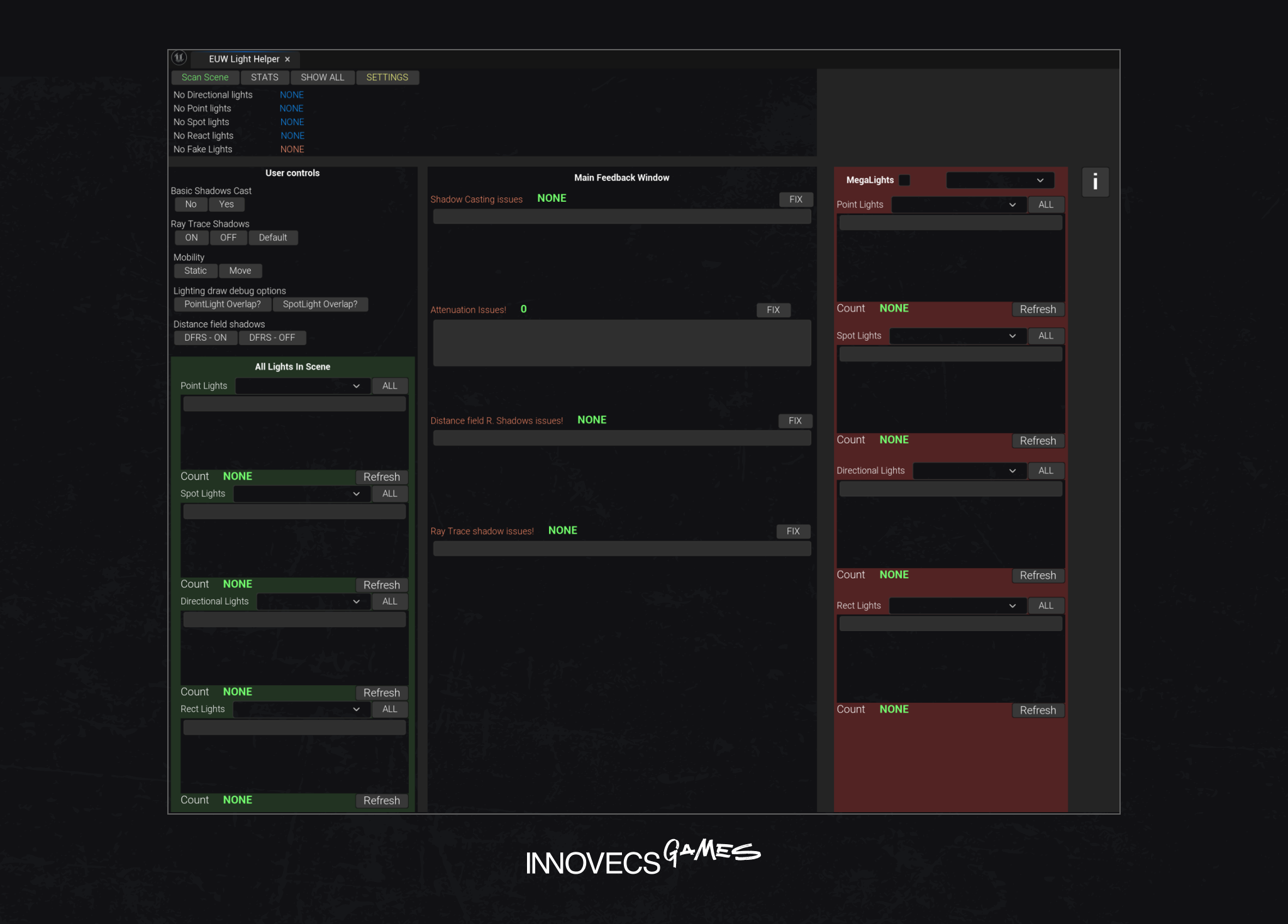
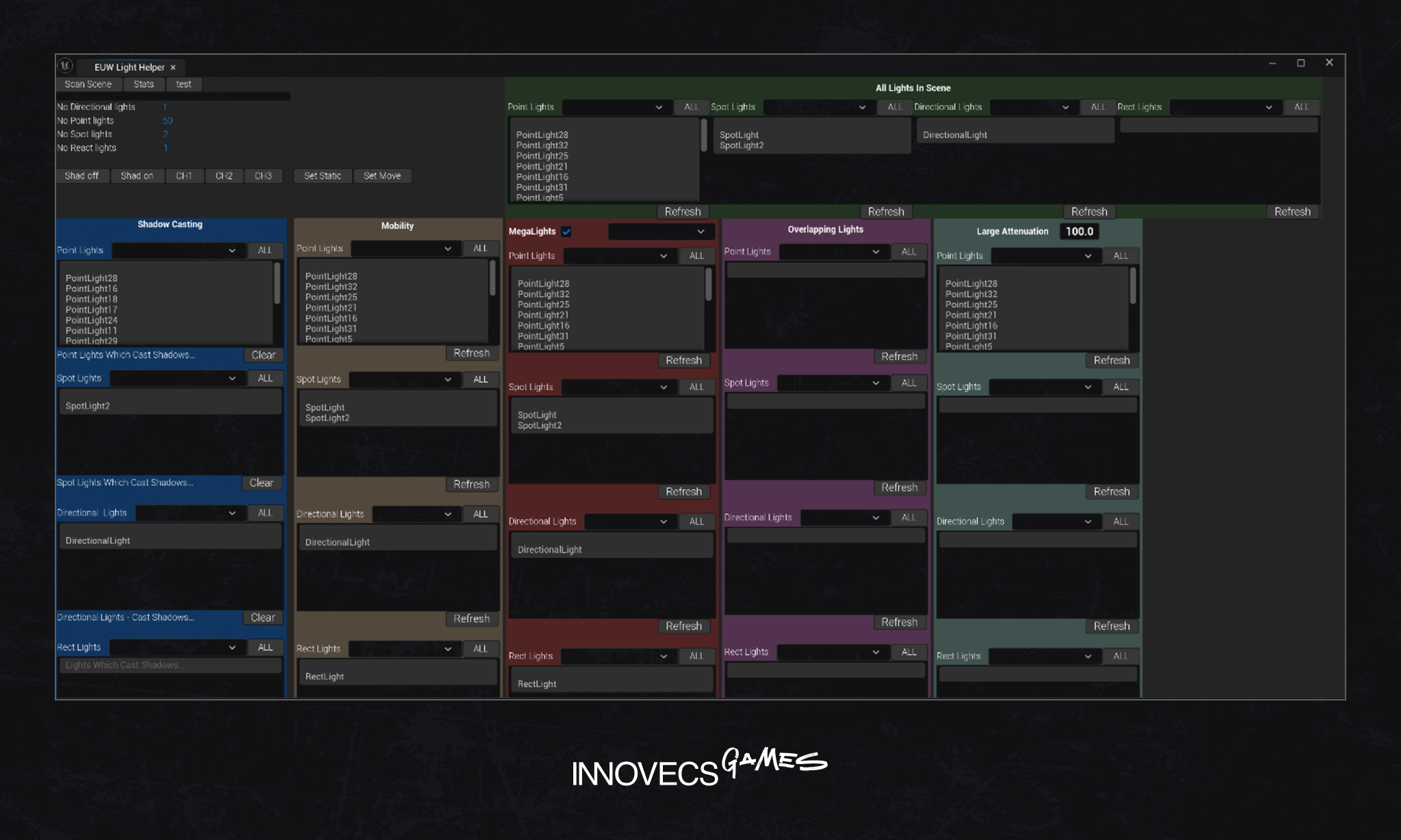
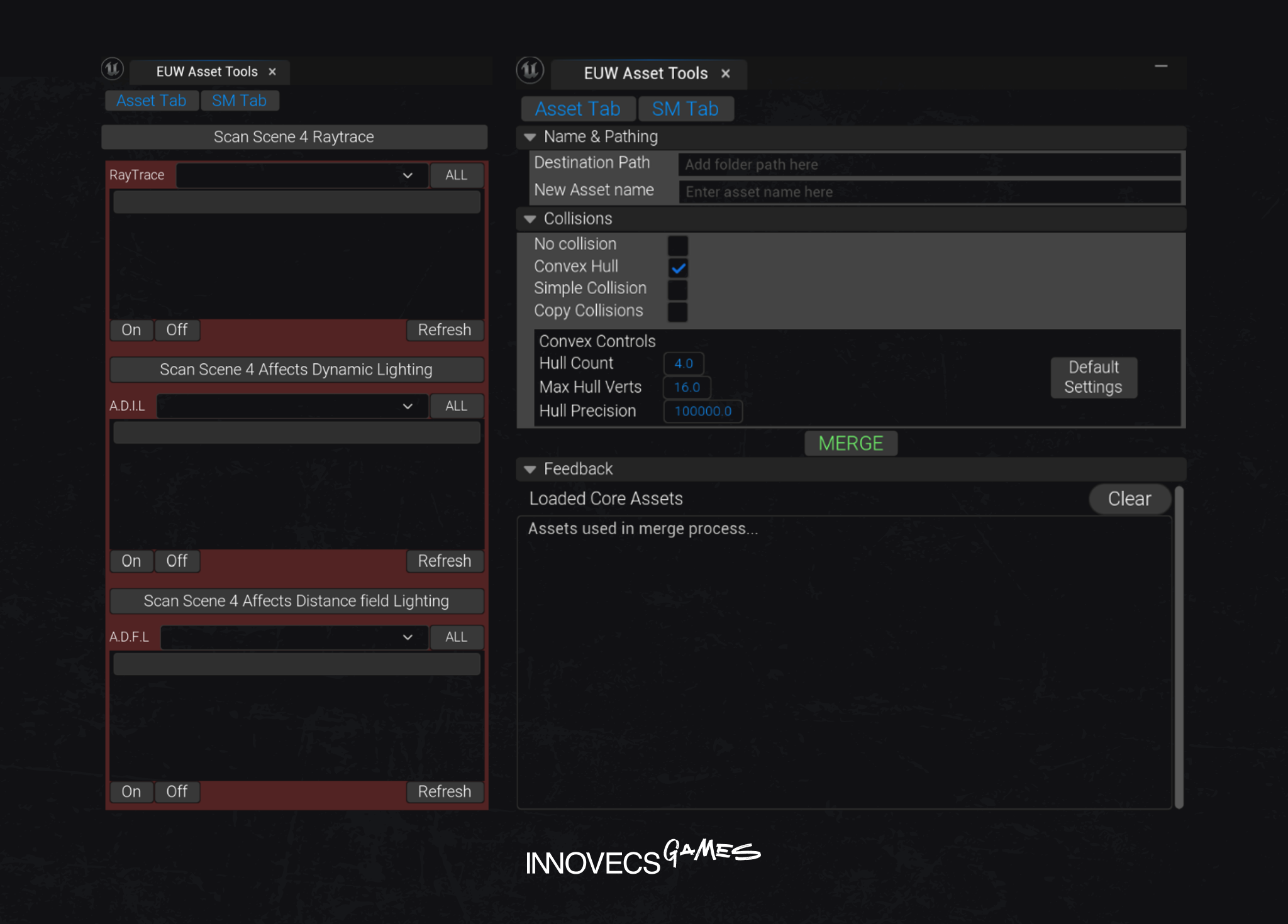
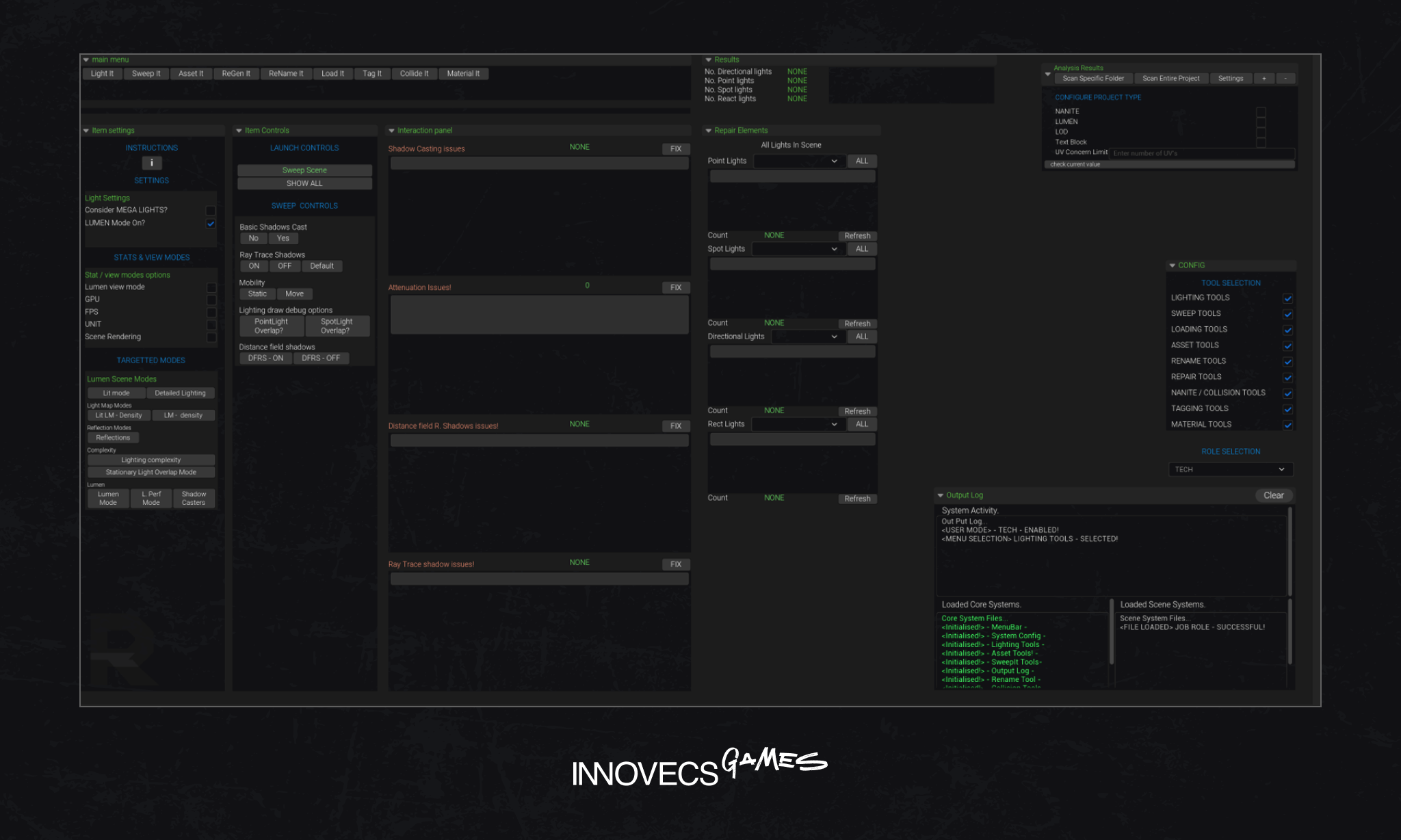
The scene assessment tool was therefore extended to look at collision from several angles. It tracked:
- entity counts across static and kinematic objects;
- collision counts per object;
- overall collision density;
- outliers that needed direct artist review.
That data gave us a much better basis for targeted optimization.
The tool could algorithmically generate new, simplified collision meshes across the project while still flagging unusual cases rather than forcing the same correction onto everything.
Reducing collision complexity exposed another part of the problem. The project also contained very large numbers of separate static objects, which affected how content was partitioned and loaded. We had to look at entity counts, where geometry genuinely needed to remain separate, and how much data the relevant buffers were being asked to handle as sections of the world streamed in and out.
By then I was working with the engine team as well as the artists. The final step was to rebalance asset partitioning and loading across those buffers to remove the bottlenecks we had uncovered.
What had started as a lighting investigation was now reaching into collision authoring, asset structure, streaming, and the engine underneath them.