
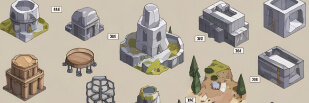
We start with your game, not our portfolio: genre, camera, target platforms, base resolution, and the assets already in production. If there's an existing look, we study it until we can describe its rules out loud.
You'll get: a scoped asset list, team plan, and timeline.
Pixel Game Art Services
Production-ready pixel art for studios and publishers, from the first sprite to assets that drop into your engine without a cleanup pass. One team, one palette, one standard across every frame.
 Styles
- 8-bit
- 16-bit
- HD pixel art
 Scope
ScopeSprites, tilesets, animation, and UI
 Terms
TermsFull IP transfer and NDA upfront
Custom Pixel Art for Games
Innovecs Games provides pixel game art services for studios and publishers that need one look held across hundreds of sprites, tiles, and frames.
Harder Than It Looks
Every sprite, tile, and icon sits on a fixed grid with a limited palette. One stray pixel reads as a mistake, and a slightly heavier outline reads as a different game. Now multiply that by four hundred frames.
Why Studios Outsource It
Usually one of two reasons. The artist who defined the look has become the bottleneck, or the content plan grew faster than the team. Studios outsource pixel game art to keep new work matching the old and landing on the milestone date.
What You Get With Us
A dedicated art team inside your production, backed by the animators, technical artists, and art directors of our wider game art services. The style you approve in week one is the one that ships, in engine-ready files.
Our Pixel Game Art Services
We make pixel art for games at every stage of production, from a single hero character to a full content pipeline for live updates. Take one discipline or staff all of them.
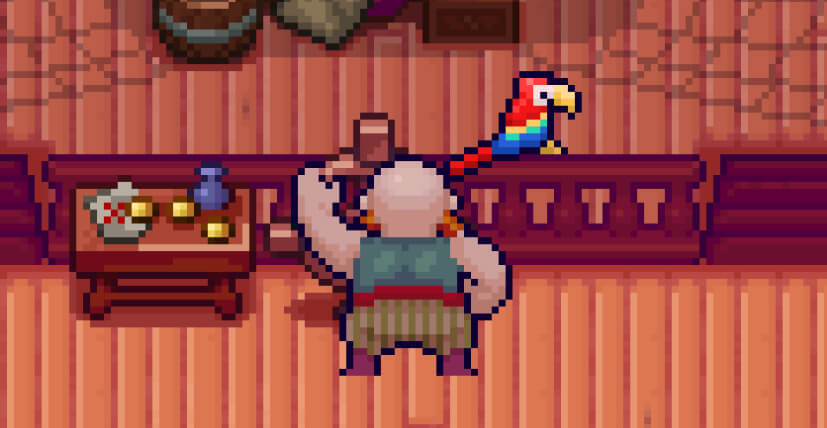
Pixel Art Character Design and Sprites
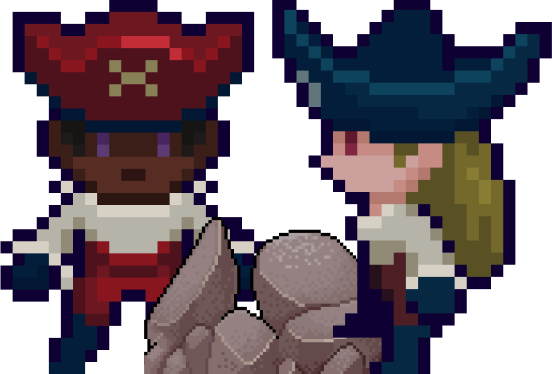
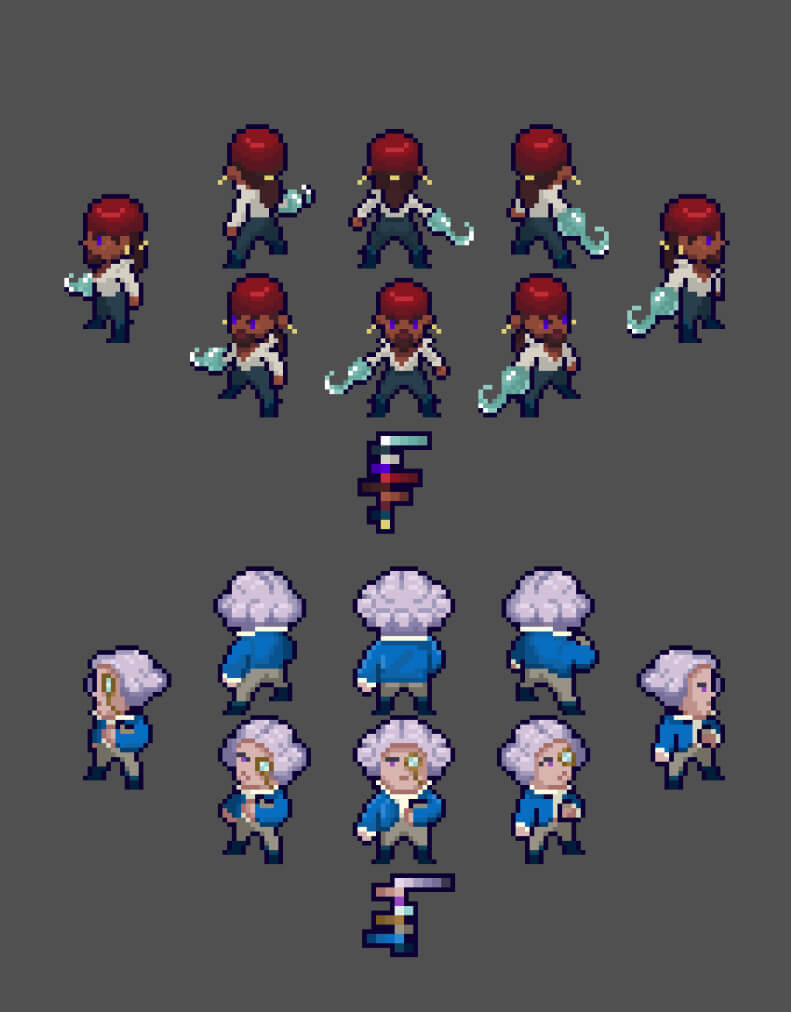
Players read a pixel character by silhouette long before they notice detail, and at 32×32 there's no room to rescue a weak one later. We design from silhouette and palette first, test readability at native scale, then build the full sprite set. Early shape and costume exploration can run through our game concept art team before a single pixel is placed.
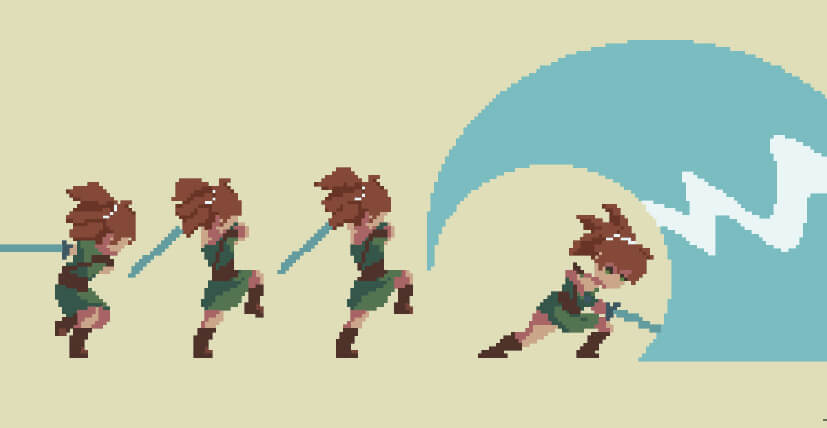
Pixel Art Animation and Sprite Sheets
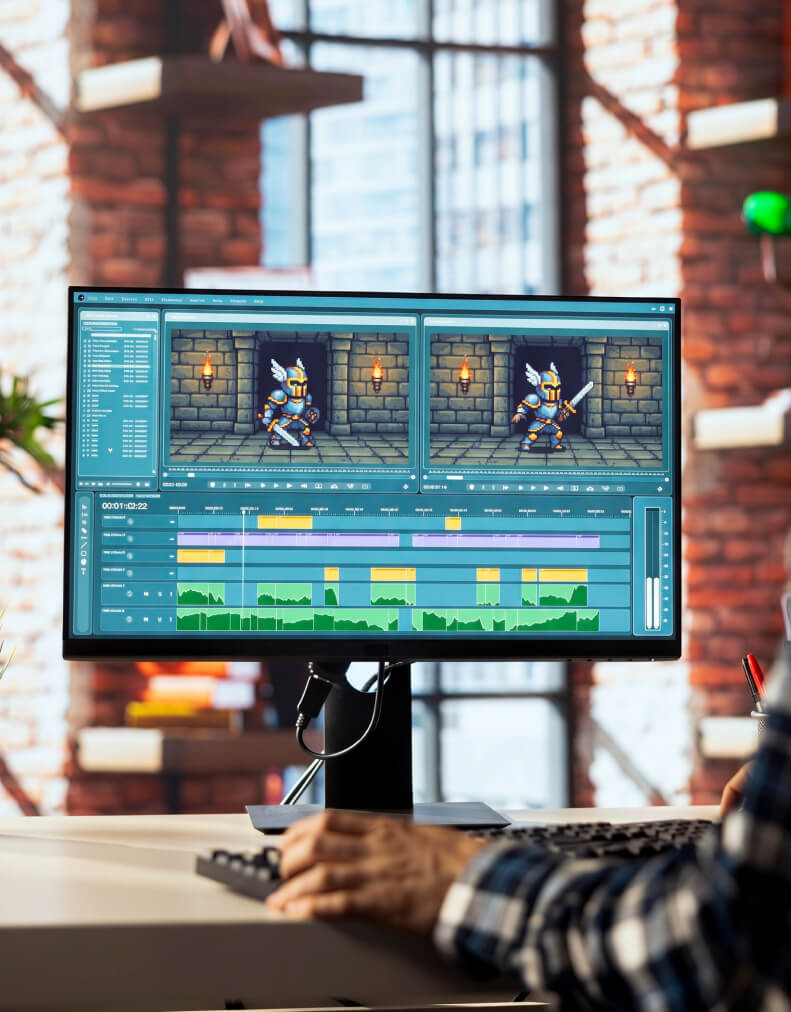
Animation is where the look is won or lost. Frame count, timing, and sub-pixel motion decide whether a run cycle feels snappy or floaty, and a six-frame attack that lands beats a twelve-frame one that drags. We animate idles, runs, attacks, hits, and deaths, then pack them into sprite sheets with consistent pivots, so nothing jitters when frames swap.
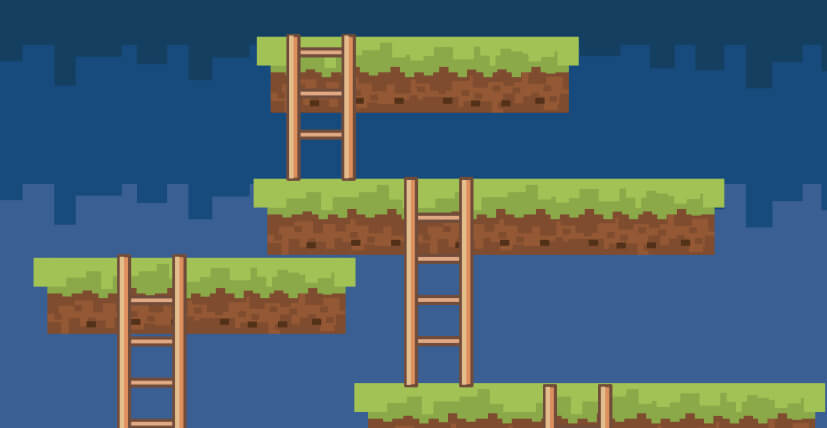
Tilesets and Environment Art
A good pixel art tileset lets level designers build fifty rooms before anyone spots a repeat. Tiles are planned around your engine's grid, with autotile edges, transitions, and enough variation to break the pattern. Parallax backgrounds and props share the same palette, so all the pixel art game assets for one biome read as one place.
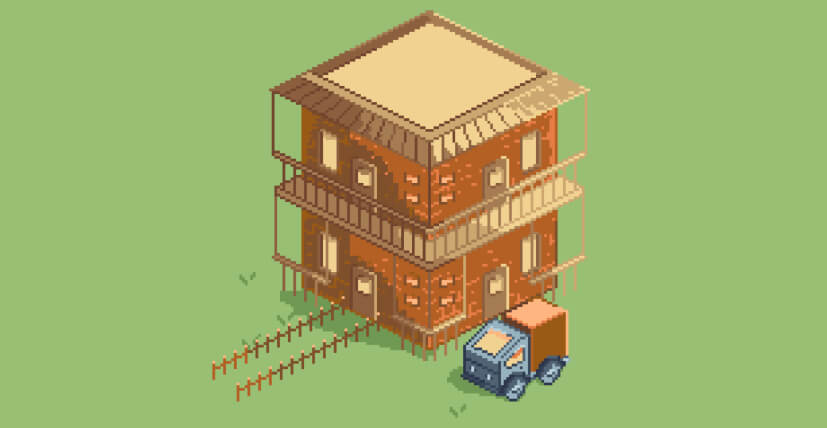
Isometric and Top-Down Pixel Art
Camera angle changes everything downstream. Isometric art needs clean 2:1 lines, tiles that stack without seams, and characters drawn in four or eight directions. Top-down needs shapes that read from above and shadows that don't fight the floor. We lock these projection rules in a short style guide, so every artist draws to the same geometry.
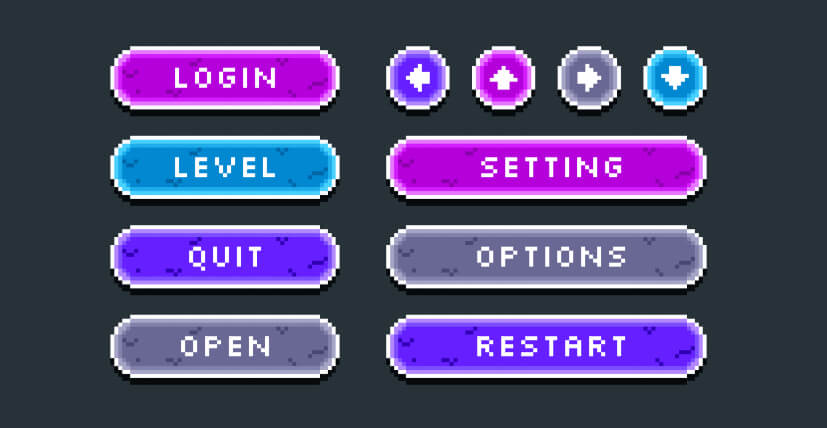
UI, Icons, and HUD
Pixel UI has to stay crisp at every scale your players use, from a phone held upright to a 27-inch monitor. HUDs, menus, inventory frames, and game icons are drawn to scale by whole-number multiples, with text that stays legible. Layout and flow connect to our game UI/UX design team, so screens get tested for usability as well as looks.
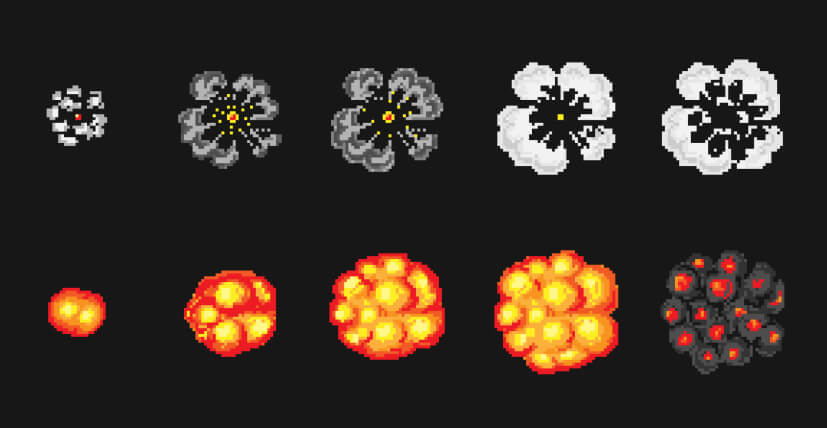
Effects and VFX
Explosions, magic, hit sparks, dust, and screen flashes are hand-animated frame by frame, in the same palette as everything around them. Effects need to read in a crowded scene without burying the characters, so we keep them short, loud, and on-model. VFX arrive as separate sheets with timing notes for your programmers.
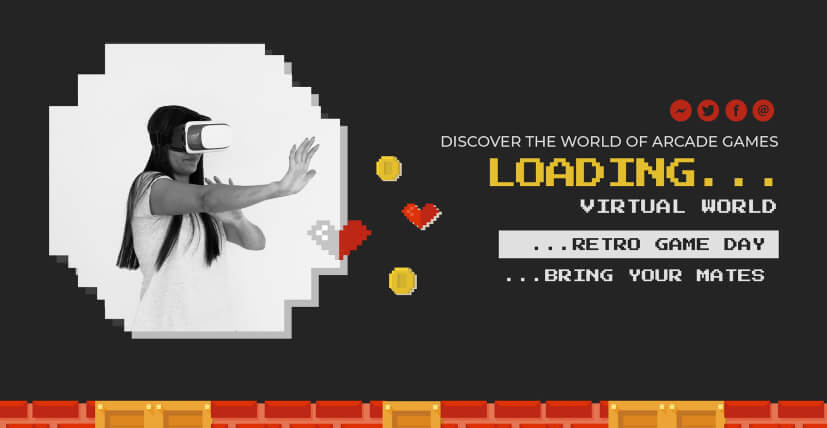
Marketing and Store Art
Your store page is where most players meet your game, and a capsule image gets about a second to do its job. Key art, capsules, banners, and animated GIFs keep your game pixel art crisp at store sizes, where naive upscaling turns clean edges to mush. Wider campaigns can run with our game marketing art team.
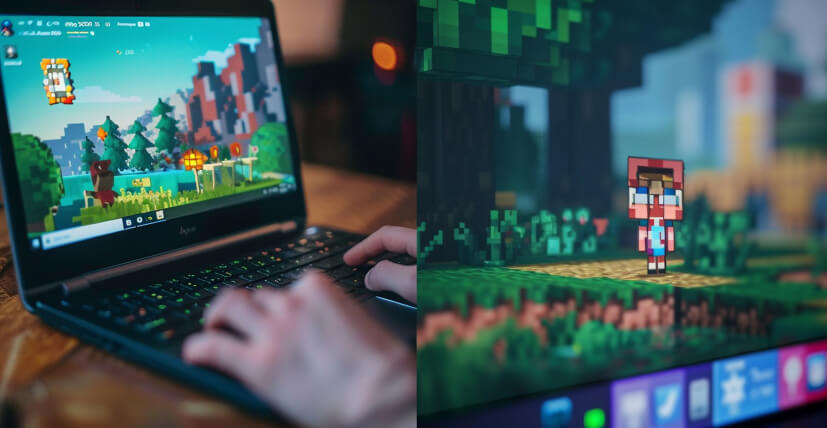
Co-Development and Team Extension
Sometimes the brief is less "draw these assets" and more "we need a pixel art department for a year." For pixel art game development at that scale, we embed artists, a lead, and an art director in your pipeline, working in your task tracker on your review cadence. Engineering and design scope can extend through game co-development.


Trusted by
Industry Leaders
Industry Leaders

Core Technical Capabilities
Pixel art breaks in quiet ways: blurred filtering, mismatched scale, a pivot one pixel off. These are the checks we run before anything leaves our hands.

Tools and File Formats
Our artists work mainly in Aseprite, with Photoshop for paintovers and Tiled for tile maps. You receive layered source files, transparent PNG exports, sprite sheets with atlas data, and animation files with frame timing intact. Naming follows your project's conventions rather than ours, so assets go straight into your folders.

Engine-Ready Integration
We deliver engine-ready assets for Unity: point filtering, no compression, the right pixels per unit, pivots set, and sheets sliced before handoff. Our technical art team handles the parts artists tend to hand back to programmers, such as pixel-perfect camera setup, shaders, and lighting that keeps pixels square.
Load more


AI-Assisted Pixel Art Workflows
AI speeds up the front of the pipeline. Final pixels stay with our artists.
Where AI Helps
Early weeks, when direction is still open and every option costs a day to draw.
- Mood boards and concept exploration
- Palette tests across a scene
- Repetitive chores like sorting frames and renaming batches
Where Artists Decide
Image models ignore the grid, drift off-palette, and add soft edges that take longer to fix than to draw clean.
- Final pixel placement
- Animation timing
- Style consistency across hundreds of assets
Who Owns What
Ownership works the same as on any other engagement.
- Every shipped asset is human-made
- We tell you where AI touched early exploration
- Your art never goes into third-party tools without written approval
How We Create Pixel Game Art
Our pixel art production process runs in six stages. Each one ends with something you can review, so nothing important is left for a reveal at the end.

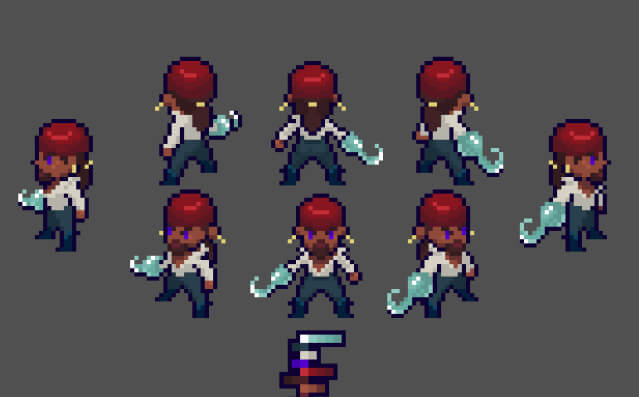
Style Test and Palette Definition
Before full production, we make a small test set in your style: a character, a handful of tiles, and one UI element. This is where mismatches surface while they're still cheap to fix.
You'll get: an approved style test and a written style guide.
Asset Production
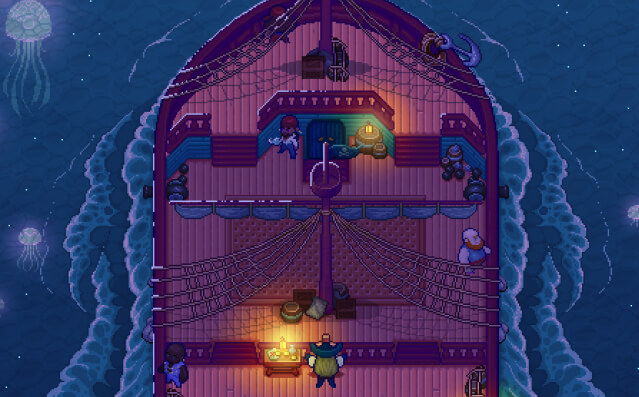
Artists build pixel art game assets in batches ordered by your milestones, so whatever the build needs first arrives first. Work in progress is visible weekly, in your tracker or ours.
You'll get: batches of sprites, tiles, and UI with layered sources.
Animation and Engine Integration
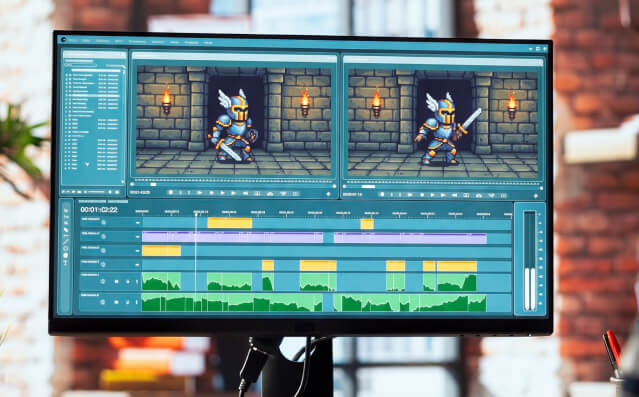
Characters and effects are animated, packed into sheets, and imported into a test scene in your engine. Timing, pivots, and scale get checked in context, because what looks right in Aseprite doesn't always survive a moving camera.
You'll get: engine-tested sprite sheets and import settings.
Review, QA, and Revisions
Every asset is checked against the style guide for palette, outline, density, and stray pixels. Your feedback runs through revision rounds agreed in writing before production starts.
You'll get: a QA-passed asset set and a change log.
Delivery and Ongoing Support
Final files ship in your folder structure, with naming and documentation. For live games we stay on for seasonal content, events, and new characters, with the same artists who drew the originals.
You'll get: final source files, documentation, and a plan for live updates.
Art Styles and Genres We Cover
Game pixel art spans everything from four-color handheld nostalgia to high-resolution scenes with modern lighting. Here's what each one demands from the art.
Styles
Genres
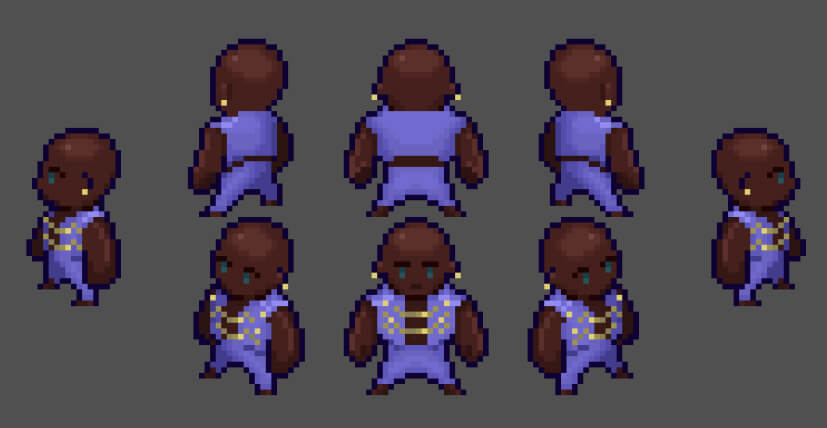
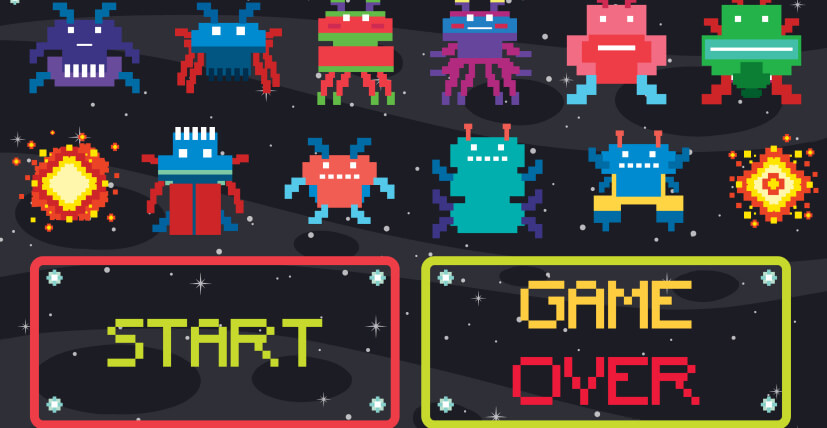
8-bit
Tight palettes and small canvases where every pixel carries meaning. Charming when disciplined, noisy when not.
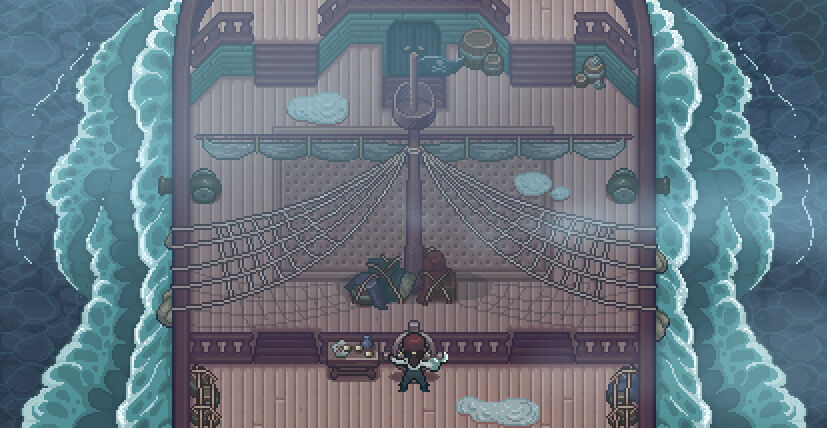
16-bit
The SNES-era sweet spot, with richer palettes and room for shading, still limited enough to feel retro.
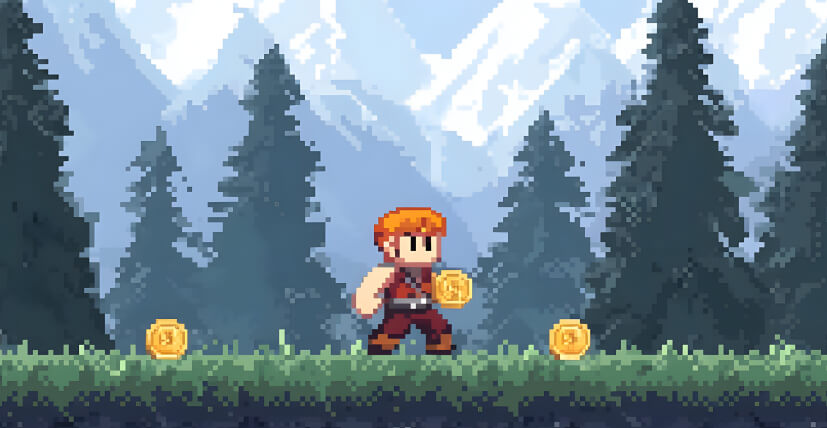
Modern / HD pixel art
Higher resolution, dynamic lighting, and particle effects, in the direction of Celeste, Dead Cells, or Eastward.
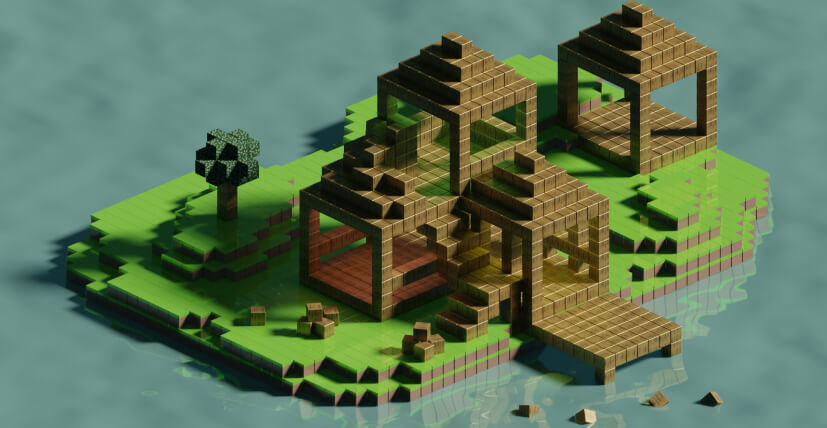
Isometric
Fixed angles and stacked tiles. Depth comes from value and shadow, because perspective isn't available.
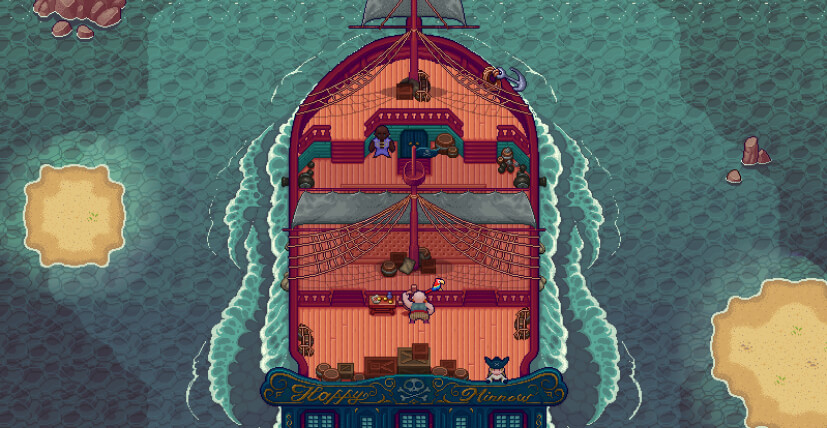
Top-down
Shapes must read from above, and the floor can never compete with the characters.
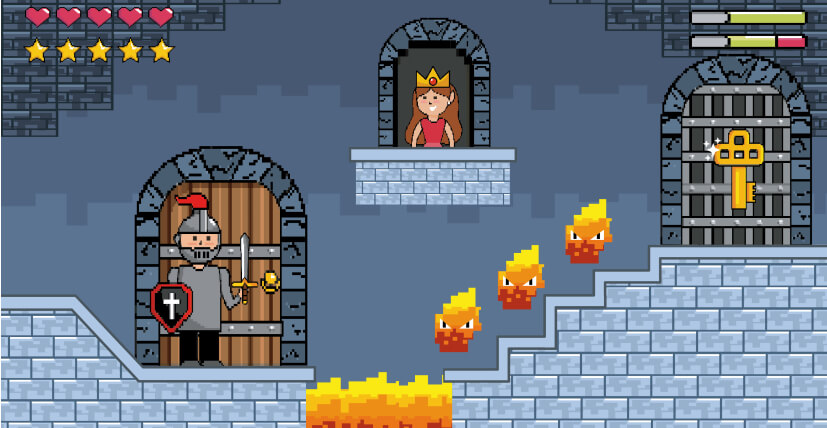
Side-scroller
Parallax layers, clear silhouettes against busy backgrounds, and animation that sells momentum.
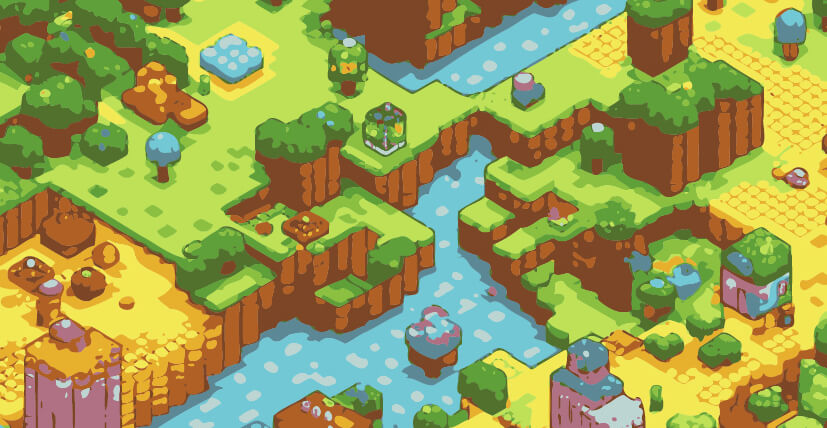
RPG
Large casts, portraits, inventories, and tilesets that have to stretch across many regions.
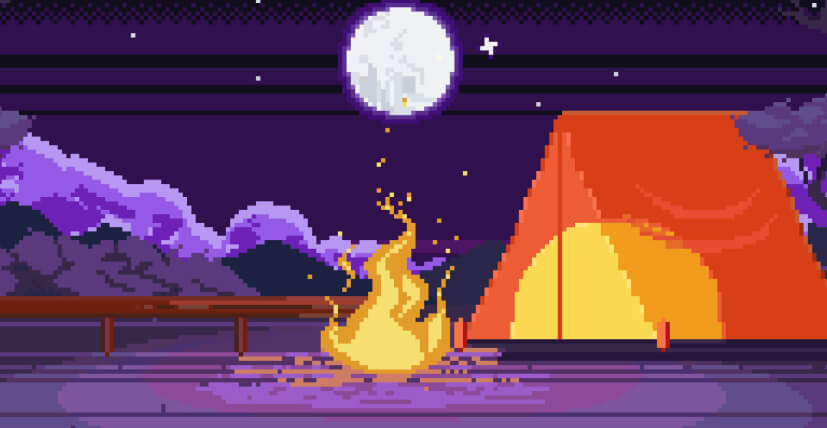
Platformer
Precise shapes and animation, where every frame changes how the controls feel.
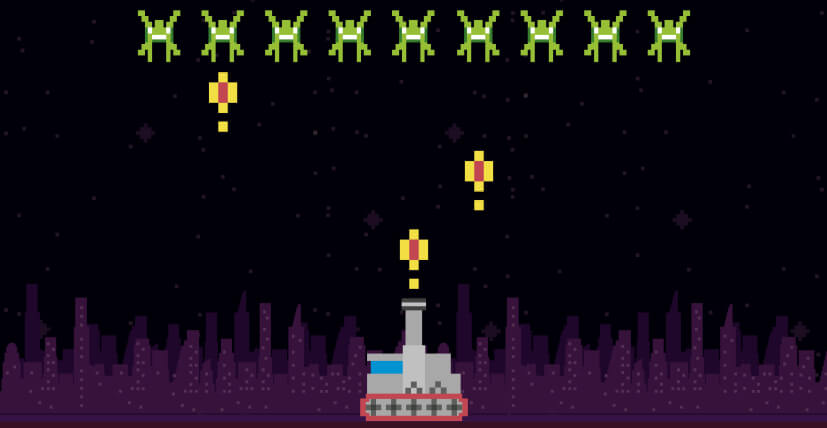
Roguelike and metroidvania
Many enemies, items, and room variants, each readable at a glance mid-run.
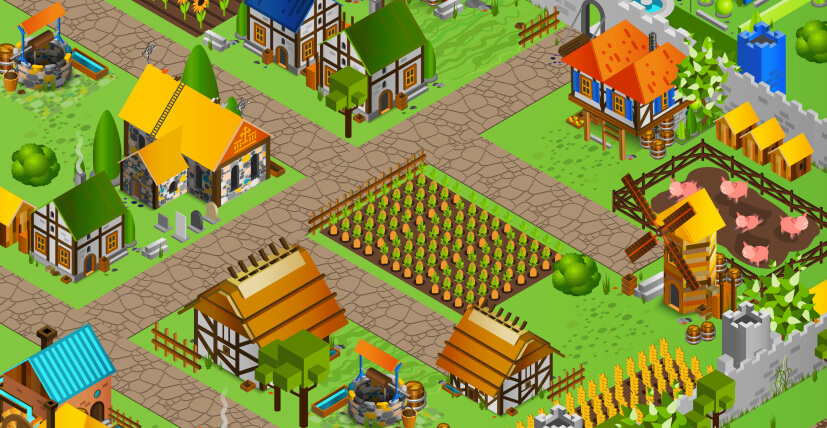
Farming and life sim
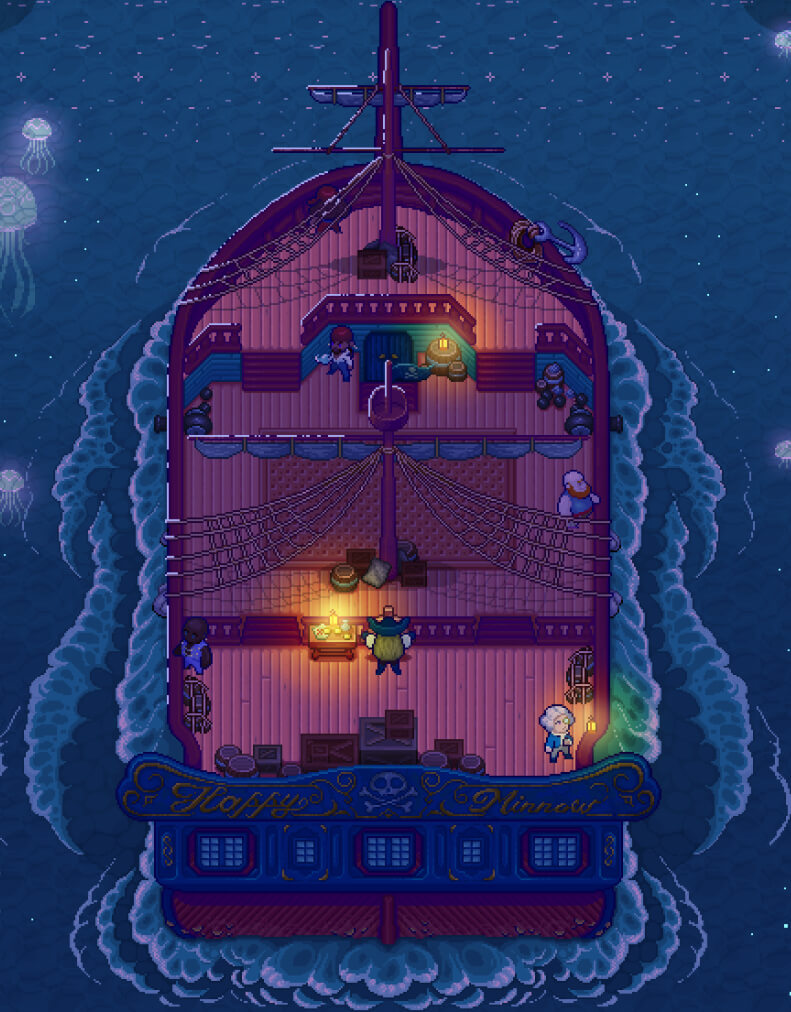
Crops, seasons, furniture, and villagers. Stardew Valley-style content easily runs into thousands of sprites.
Puzzle and casual
Friendly shapes and UI that works on a small screen held in one hand.
Idle and clicker
Upgrade icons, number-heavy UI, and progression art that keeps changing over weeks of play.
Why Choose Innovecs Games
Pixel artists aren't hard to find. A team that keeps hundreds of assets consistent, hits your milestone dates, and is still around for the content update in month six is a much shorter list.

Ready to Build Your Pixel Game Art? Let's Talk.
A full asset spreadsheet or just a genre and a platform, either is enough to start. Our pixel game art services team comes back with a scoped plan, a timeline, and a first read on the style.
Selected Game Art Case Studies
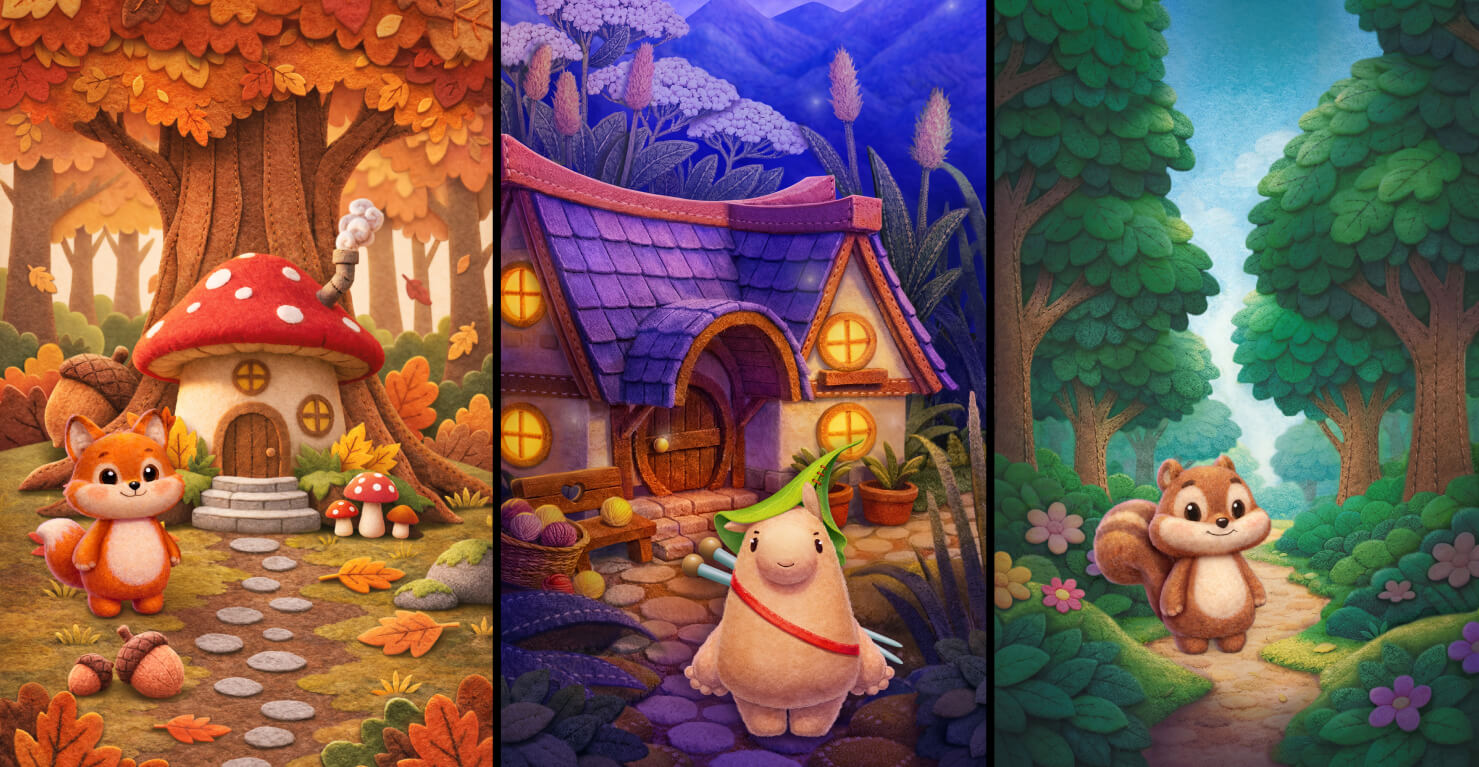
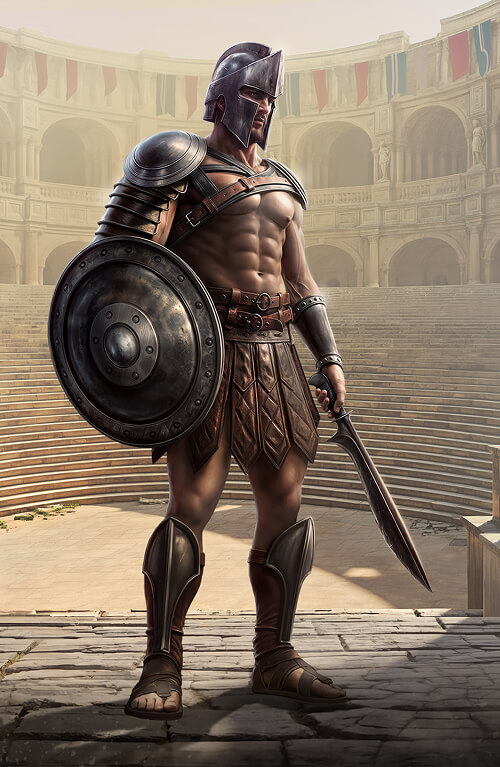
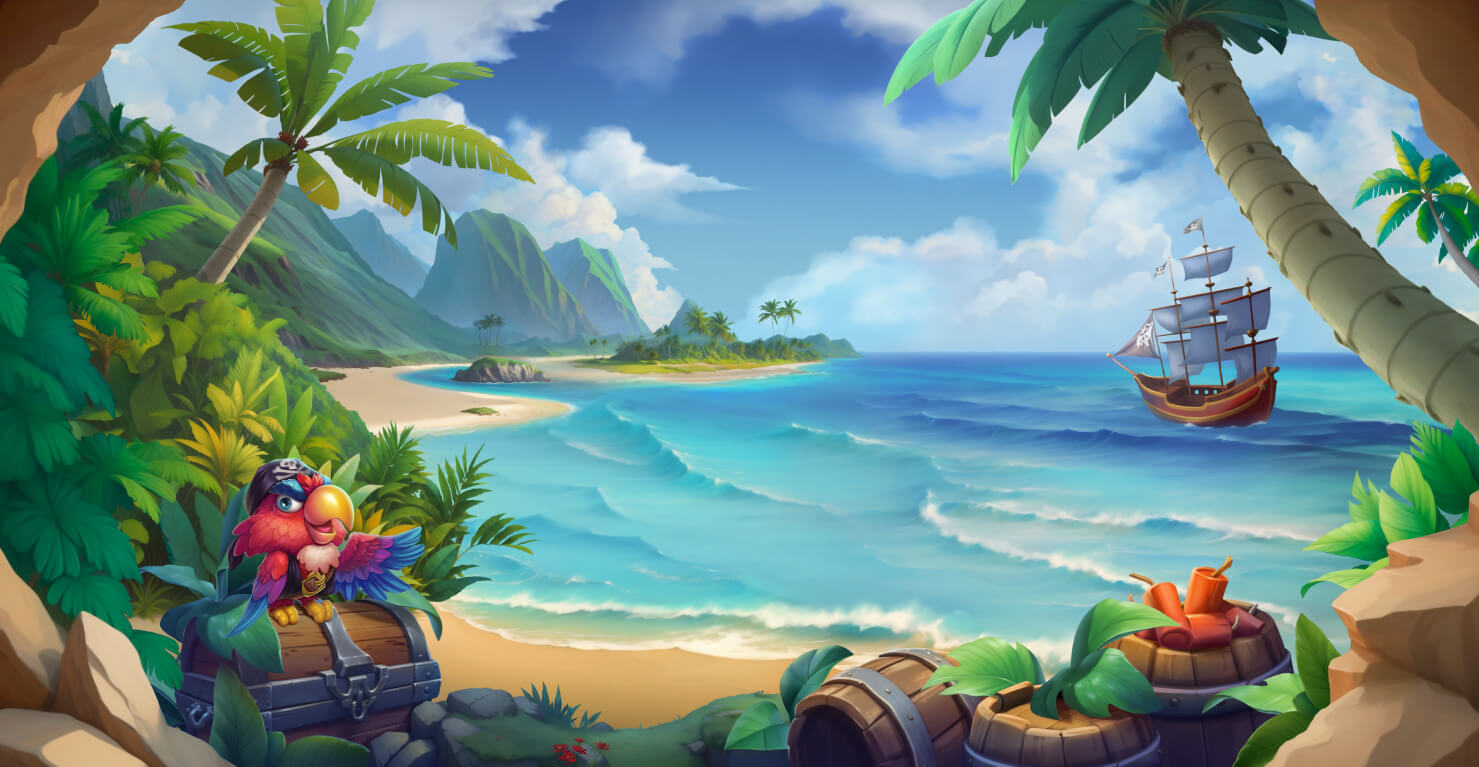
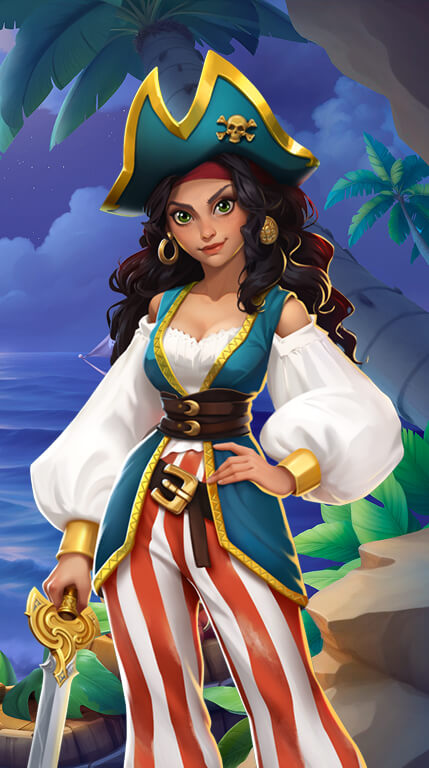
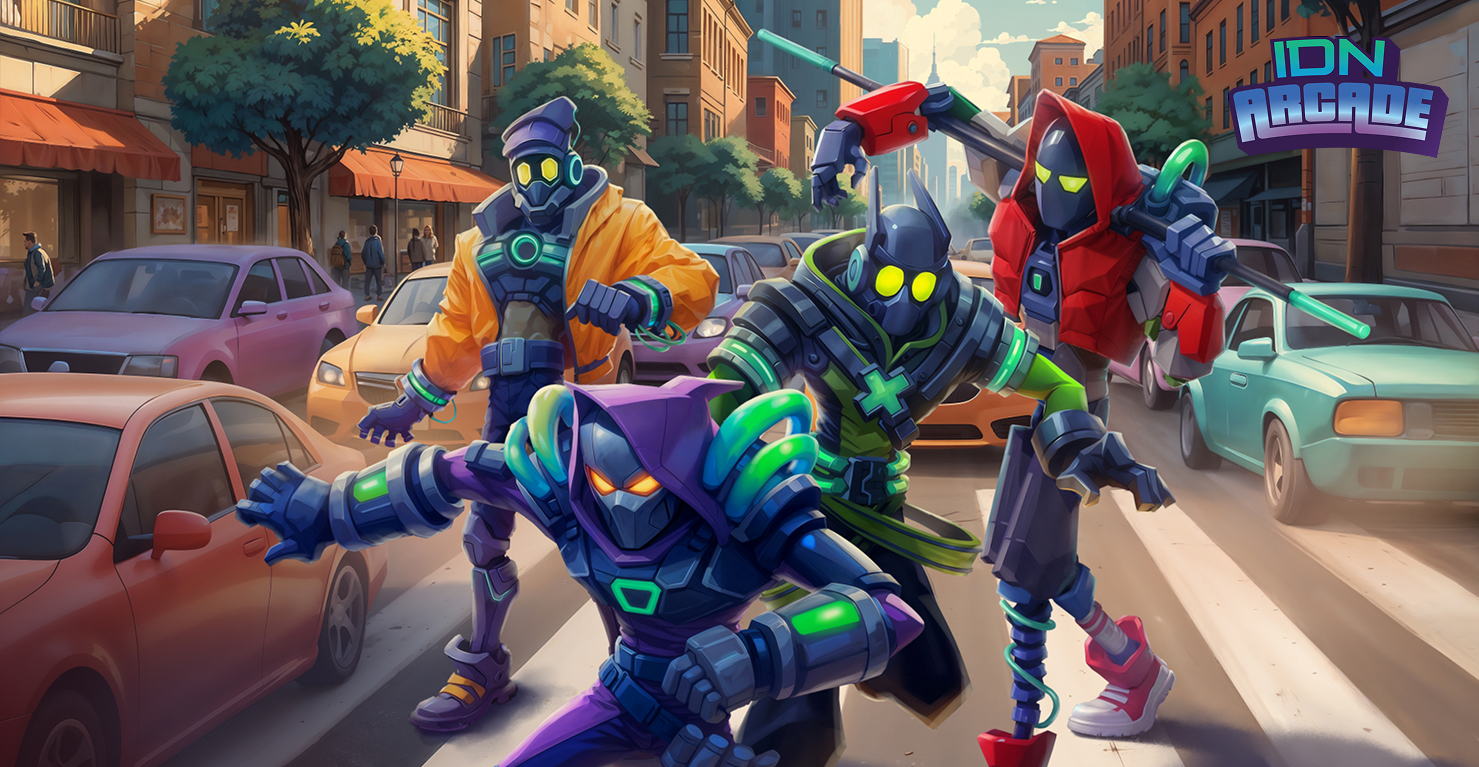
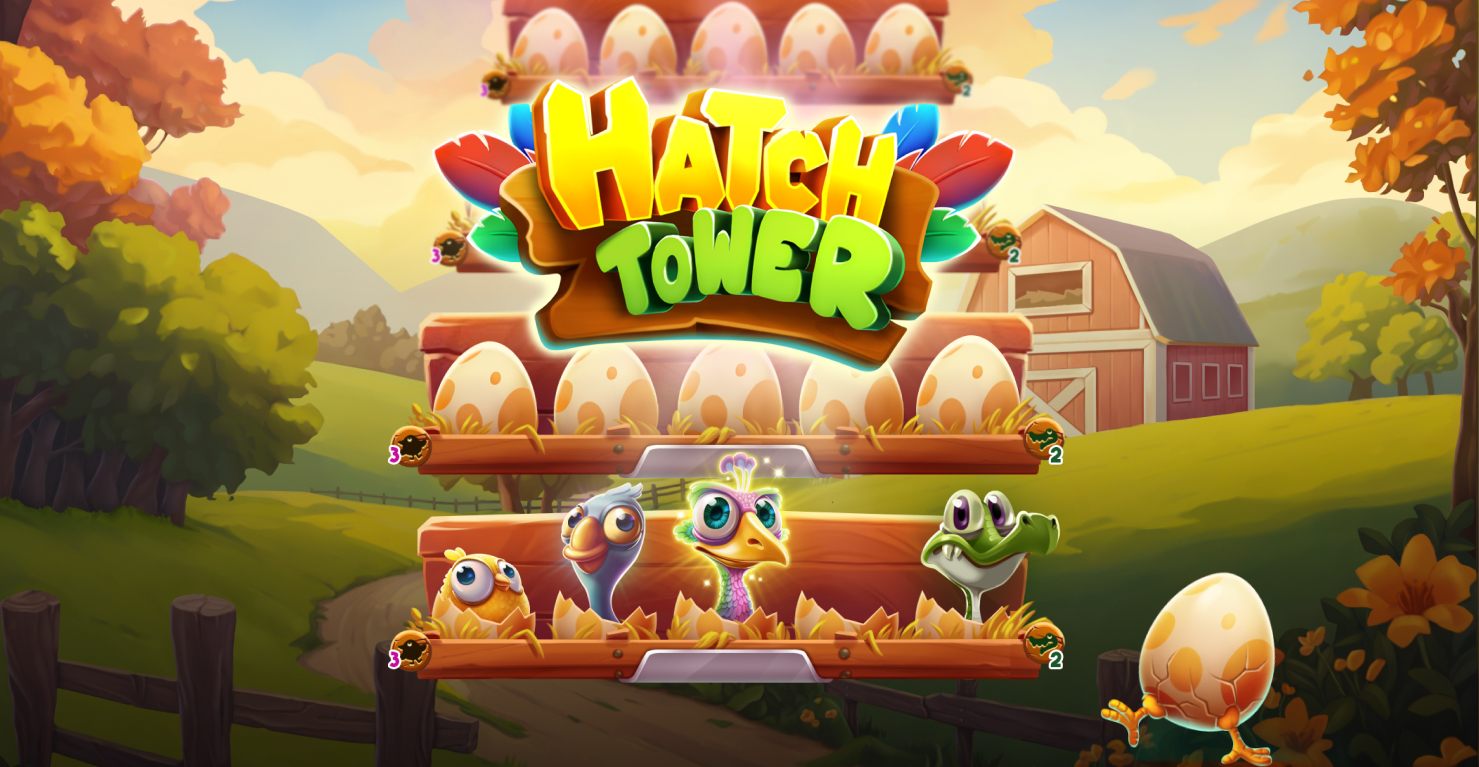
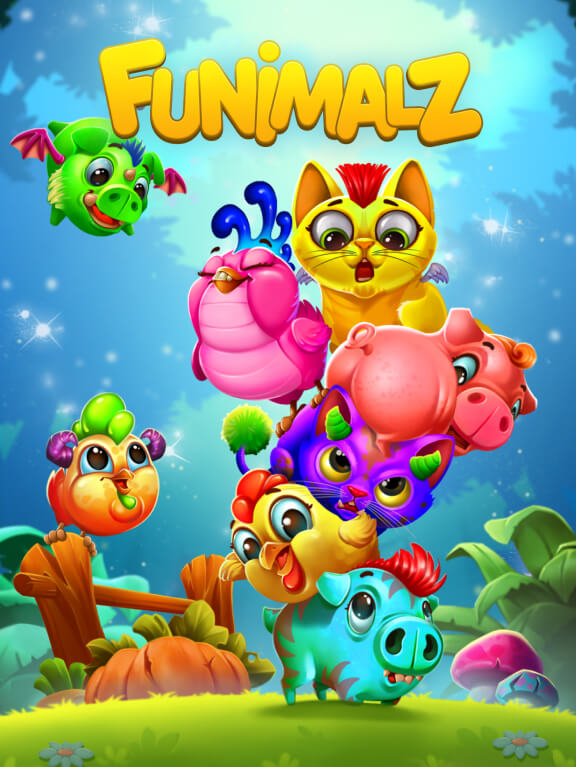
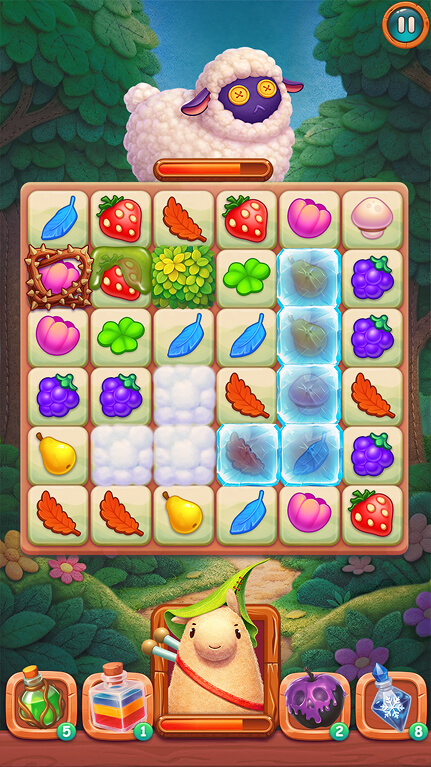
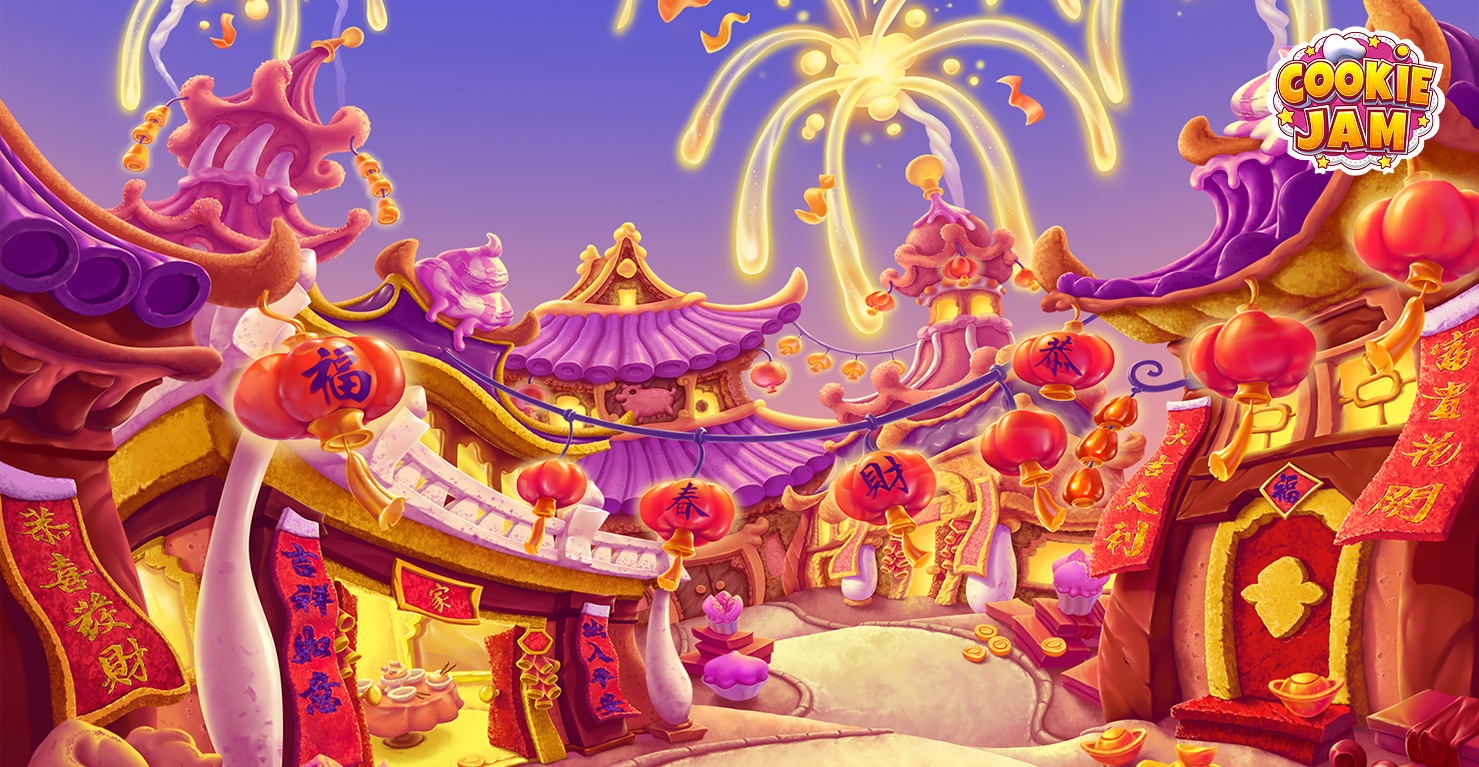
A few projects where our artists shipped assets into live production, with what we delivered and what it changed for the team.


What Our Clients Say
Art directors and studio heads on working with our art and co-development teams.
Partnering with Innovecs has been a great benefit to our team and project. The work they produce for us is always on time, within budget, and of the highest quality! Innovecs has made a positive impact with us!

Shane Nakamura
Art Director at Jam City
When looking to outsource art assets for some of our projects I was fortunate to sign with Innovecs. I remembered them as easy to co-work with, they weren’t afraid to take our challenges and delivered top-notch content.

Artem Nabatov
Head of Studio at Gameloft
I value the professionalism and the commitment of Innovecs as a company and the developers I personally got to work with. The human resources are of the highest quality. I definitely plan to work with them again and increase the capacity of cooperation in the future.

Shahar Sorek
Founder and CEO at 7 Elements Studios
FAQ
What does pixel game art production include?
A full scope usually covers character sprites, animation sheets, tilesets, backgrounds, UI and icons, effects, and store art. Most studios start with a subset, such as the characters and tiles for a vertical slice. We scope against your content plan, so you pay for the assets the game needs rather than a fixed package.
How long does a typical game art production project take?
Scope decides it. A short style test comes first, then production runs against your milestones in batches. A vertical-slice set for one level moves far faster than an RPG cast animated in eight directions. After discovery you get a timeline tied to your real dates.
How much does it cost to outsource pixel art for a game?
There's no rate card, because a 16×16 enemy with four frames and a 64×64 boss with forty are different jobs. Cost depends on resolution, animation depth, asset count, and engagement model. Send an asset list or a rough brief, and we'll return a scoped estimate with the assumptions written out.
Which art styles and resolutions do you work in?
All the common ones: 8-bit, 16-bit, and modern HD pixel art, in isometric, top-down, and side-scroller views. Base resolution is set per project, from 16×16 sprites to larger canvases for detailed characters and portraits. We agree on it in discovery, because changing resolution mid-production means redrawing, not resizing.
Which game engines and file formats do you deliver for?
Unity is our confirmed engine, and assets arrive imported, sliced, and set up for pixel-perfect rendering. Sources stay layered, so your team can edit them later without coming back to us. Tilesets are ready for Tiled. If you work in another engine, name it in the brief and we'll confirm support before scoping.
Can you match the art style of my existing game?
Yes, and it's one of the most common briefs we get. We study your existing assets and write down the rules they follow: palette, outline, shading, proportions. A style test proves the match before production starts. Once you approve it, that test becomes the reference every artist works from.
How do you keep the style consistent across a large set of assets?
Rules on paper, one person who enforces them, and a team that doesn't rotate. The style guide fixes palette, resolution, and shading, and the art director signs off every batch. When a new artist joins mid-project, they draw a test piece against the guide before touching production assets.
What engagement models does Innovecs Games offer?
Three. Fixed scope suits a vertical slice or a known content drop. A dedicated team suits ongoing production and live updates. Team extension puts our artists inside your pipeline, managed by your leads. Many projects start fixed-scope and move to a dedicated team once the style is locked.
How is AI used in your pixel art workflow?
At the exploration stage, and very little after it. AI helps with mood boards, early concept variations, palette tests, and repetitive tasks like batch renaming. Final pixels, animation timing, and style decisions stay with our artists. We also tell you where AI was used, so there are no questions about ownership later.
Can AI-generated pixel art replace a professional artist?
Not for production assets. Generated images ignore the grid, drift off-palette, and add soft edges that pixel art can't have, and they can't keep a character identical across forty frames. They're handy for exploring ideas quickly. Shipping them usually means an artist redraws them anyway, which takes longer than drawing clean from the start.
Get in Touch
Have a game idea? Need a reliable partner for development? Let’s build your next hit together.

Nader Alikhani
VP of Innovecs Games

Christopher Rowe
Business Development Director
Trusted by
Industry Leaders
Industry Leaders