Game Asset Creation Process for Modern Game Development
Game asset creation sits at the intersection of creativity and technical execution, shaping how players perceive and interact with a game world. Every visual element must not only look appealing, but also function smoothly within performance limits, platform constraints, and production timelines. For modern game development, this means thinking beyond individual assets and understanding how design decisions connect across the entire pipeline. This article breaks down how game assets are planned, created, refined, and integrated into a complete development workflow.
Introduction to Game Assets
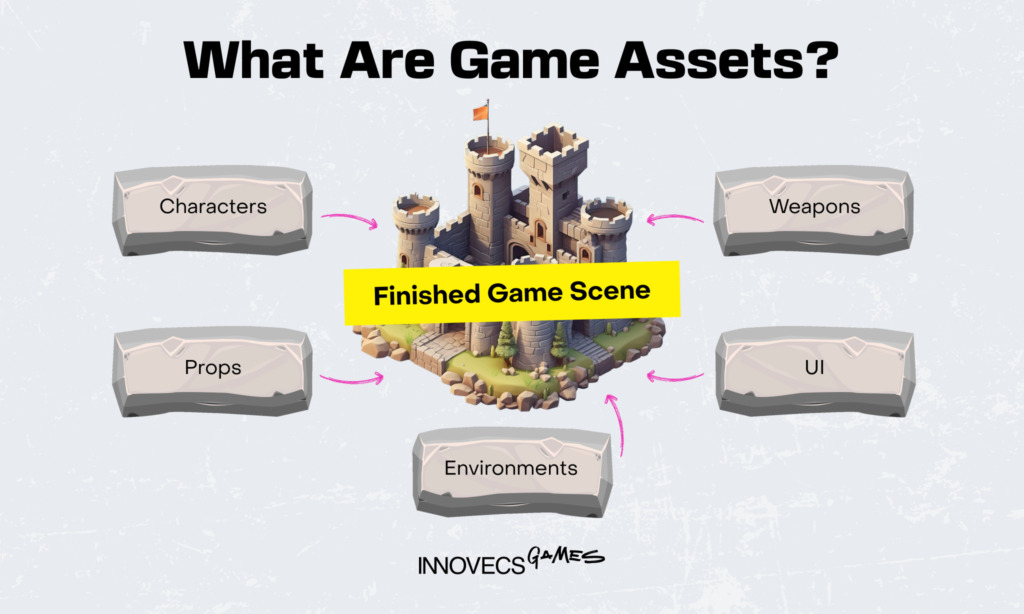
Creating video game assets is a deeply creative endeavor, where every element from the storyline and characters, to the gameplay mechanics must work together seamlessly. However, before any of that can come to life, the foundation lies in game assets. These are the building blocks that bring a game’s world and experience to reality.
With the global video game market projected to reach $522.46 billion in 2025, the demand for high-quality, production-ready game assets continues to grow. For modern development teams and game studios, this makes a clear understanding of asset creation workflows essential for maintaining visual quality, performance stability, and predictable delivery timelines.
This article explores what game assets are and breaks down the asset creation process from a production perspective — covering how assets are planned, created, reviewed, and integrated into a complete development pipeline. The focus is on practical considerations that help teams scale production, reduce rework, and ensure assets align with technical and artistic requirements.
Game Asset Creation Workflow
The game asset creation workflow encompasses the entire process of producing and managing digital content and assets for games including facing various challenges along the way. This workflow involves multiple stages that are critical for crafting high-quality 3D models, textures, animations, and other media essential to game development. For teams operating within fixed production schedules, understanding and controlling this workflow is critical for balancing visual quality, technical constraints, and delivery risk.
Game developers need to produce assets quickly, and accurately as delays can significantly affect the overall development schedule. Beyond creation, the workflow also covers asset distribution, ongoing maintenance, and seamless integration into game builds, ensuring that every element can run smoothly within the final product.
Types of Game Assets
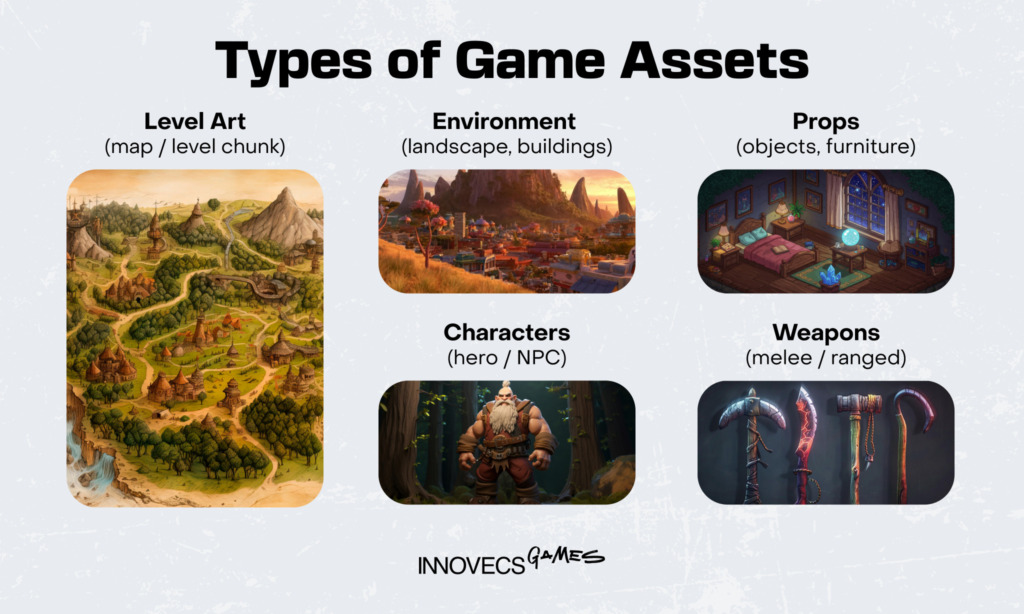
Game assets include everything from the different types of characters players interact with, to the backgrounds and worlds they explore. Together, these elements form the foundation of immersive and engaging gameplay. Some of the most essential types of game assets include:
Level Art
Level art, often confused with general game environments, focuses on designing stages, maps, missions, or other interactive scenarios within a game. Its primary purpose is to create visually appealing worlds with detail hile providing cues, obstacles, and challenges that guide players through gameplay.
Since game levels are critical for maintaining interactivity, and engagement, understanding every aspect of level design is essential. For in-depth insights, you can explore our comprehensive guide on game level design.
Environment
Environment assets include all objects, and materials that form the backdrop of a 3D game, such as landscapes, buildings, vegetation, terrain features, and natural elements like trees, rocks, and water bodies. These components establish the surroundings in which players interact, creating an immersive gaming experience, which is crucial for game designers.
Designing game environments involves multiple considerations, from types and modeling techniques to platform-specific requirements.
Characters
Characters are virtual entities that players control or encounter in a game, ranging from heroes and villains to NPCs (non-player characters), often modeled using tools like Autodesk Maya. They play a central role in storytelling, and gameplay helping forge emotional connections that enhance the player’s experience.
Character creation involves multiple stages, including concept design, modeling using specialized software, rigging, skinning, and animations that breathe life into the characters.
Props
Props are interactive objects within a game, such as furniture, decorations, vehicles, collectibles, or tools. These assets, along with texture files, enrich the game world by adding realism, and opportunities for player interaction. Players often use props to solve puzzles, complete objectives, or navigate the game world.
Weapons
Weapons, a specialized type of prop, are central to many popular game genres, including RPGs, shooters, and simulations. Players use weapons to attack, defend, or interact with the game environment, often accompanied by animations and sound effects. Weapons can range from swords, and axes to guns, shields, and more.
Designing memorable and functional weapons requires more than creativity since it demands careful planning, design strategy, and consideration of the overall look.
Major Challenges in the Game Asset Creation Workflow
The game asset creation workflow spans every stage of development, from the initial concept and design to the final integration into the game engine. While this process is essential for bringing a game to life, it comes with several challenges that developers must navigate to ensure a smooth, and efficient workflow.
Time-Intensive Development
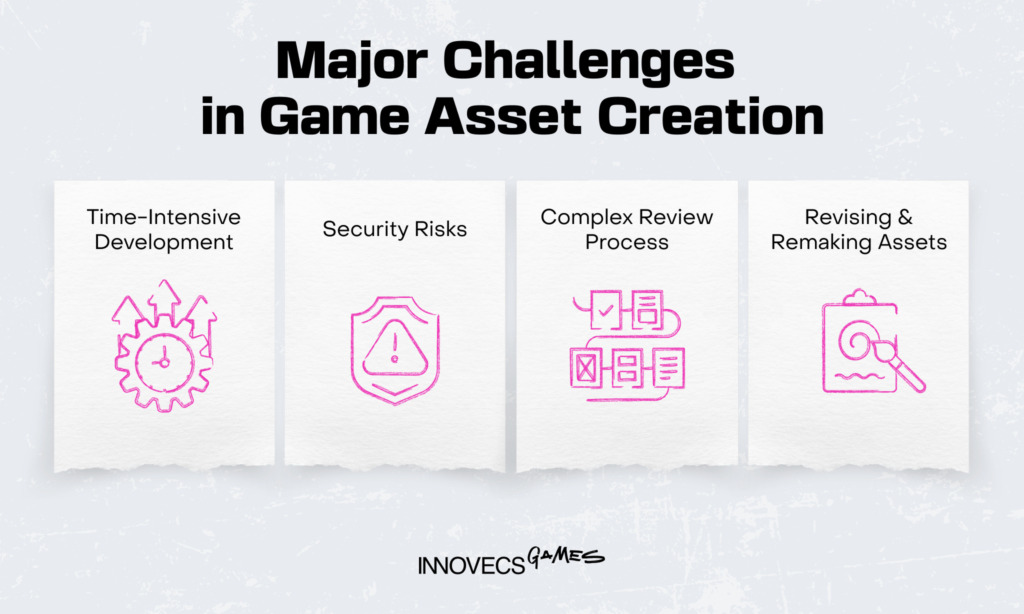
Creating high-quality game assets, especially high poly models, is often a labor-intensive process. Each asset, whether a character, environment, or prop would require careful planning, design, modeling, texturing, and sometimes animation. Multiple iterations are typically necessary to refine the asset and ensure it meets both aesthetic, and functional standards. As a result, the production of detailed assets can be a slow and painstaking process.
Security Risks
Another key challenge lies in protecting game assets. Without proper security measures, assets are vulnerable to unauthorized access, theft, or misuse during development, which concerns many game artists.
This can jeopardize intellectual property, lead to leaks, or compromise confidential project information, making robust asset management, and security protocols critical.
Complex Review Process
The review phase of asset creation can quickly become disorganized if not managed properly. In a survey in 2025, 47% of game developers reported that inefficient communication and unclear feedback from stakeholders caused delays in asset production and project timelines. Conflicting feedback, vague instructions, and communication gaps between team members can complicate efforts to maintain the integrity of their own game assets.
When multiple stakeholders are involved, each with their own preferences and perspectives make the process even more challenging. This is why structured feedback systems, organized review workflows, and reliable collaboration tools are essential for maintaining clarity, consistency, and steady progress.
Revising and Remaking Assets
Sometimes assets must be reworked or completely remade. This may be necessary due to updates in game design, technological advancements, or changes in artistic direction. Remaking assets require careful attention to the original vision while adapting to new requirements, often involving a reimagining of the asset to align it with the evolving game world.
Effective optimization is essential, as carefully optimized assets can greatly enhance game performance and frame rates, especially on mobile devices, while also ensuring smoother integration of audio and music for a richer gameplay experience.
Essential Tools for the Game Asset Creation Workflow
Once you understand the game asset workflow, the next step is knowing which tools are indispensable for creating high-quality assets. These tools help streamline production, maintain consistency, and ensure smooth integration into the game.
1. Game Asset Management Software
Asset management software helps developers organize, track, and maintain all digital assets used in a game. These programs make it easier to handle multiple versions of assets, manage updates, and collaborate efficiently within a team.
2. 3D Modeling Programs
3D modeling software is crucial for creating realistic objects, characters, and environments. Tools like Blender, Maya, or 3Ds Max allow developers to build models from scratch or import existing assets for customization, ensuring high-quality visuals for the game world.
3. Art Programs
Graphic design software, such as Adobe Photoshop or GIMP, is used to create detailed textures, 2D graphics, and concept art. These programs provide the flexibility to design visually compelling assets that enhance the overall aesthetic of the game.
4. Integration into Game Engines
Understanding how to bring assets into a game engine is equally important. Key steps include:
- Importing Assets: Bringing 2D and 3D assets into engines like Unity or Unreal.
- Setting Up Materials: Assigning textures, shaders, and surface properties to models.
- Prefab Creation: Building reusable game objects for efficiency.
- Scene Assembly: Organizing assets within levels or environments to create a cohesive game world.
These tools, and techniques bridge the gap between asset creation, and actual game development, ensuring that each asset functions seamlessly within the final product.
Steps Involved in Game Asset Creation
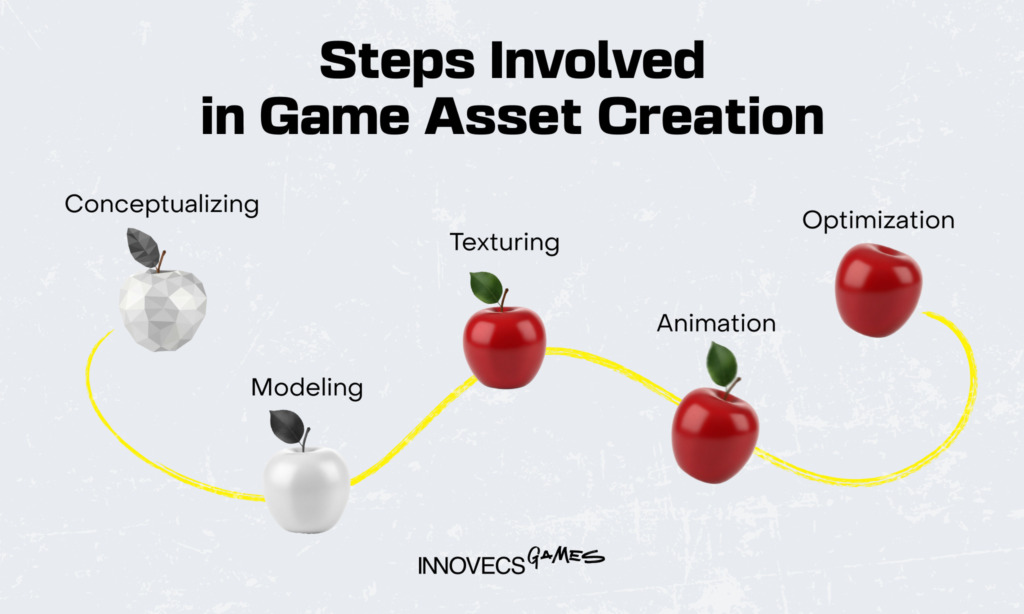
Creating high-quality game assets, including high poly models, requires a structured, step-by-step approach. Each stage ensures that the final asset is visually appealing, functional, and optimized for gameplay. The key steps include:
– Conceptualizing
The process begins with concept development. Game developers research design trends, brainstorm original ideas, and visualize how the asset will fit into the game’s narrative. This stage lays the foundation for all subsequent work, ensuring that the asset aligns with the game’s overall style and objectives.
– Modeling
With a concept in place, the next step is modeling the asset in 3D using software like Blender or Maya. Modeling involves building the basic shape, defining dimensions, and adding finer details to create a realistic and functional representation of the asset.
– Texturing
Texturing adds depth and realism to the model by applying images, materials, or patterns to its surfaces. Proper texturing ensures that the asset looks natural, and visually consistent across different platforms, whether on console, PC, or mobile.
– Animation
Some game assets require animation to bring them to life. Animators create movements or actions, allowing assets to interact dynamically within the game world. This step is essential for characters, interactive objects, or any asset that responds to player input.
– Optimization
Finally, developers optimize the asset for performance. This involves compressing models and textures, reducing file sizes, and ensuring smooth rendering during gameplay. Proper optimization balances visual quality with performance, preventing slowdowns or glitches in the game.
At each stage of this process, assets typically pass through defined validation and approval checkpoints. These reviews help ensure that visual quality, technical requirements, and performance constraints are met before assets move to the next production phase. Clear handoffs between art, technical, and development teams reduce rework, minimize production risk, and keep asset pipelines predictable at scale.
By carefully following these steps, developers can produce engaging, high-quality assets that enhance the player’s experience and contribute to the overall success of the game.
Best Practices in Asset Creation
Following industry-proven practices can help beginners create high-quality, efficient, and visually consistent game assets:
- Consistent Style: Ensure all assets adhere to a unified art style to create a cohesive visual experience throughout the game.
- Optimization: Balance aesthetics with performance by using appropriate polygon counts, texture resolutions, and file sizes.
- Modularity: Design assets that can be reused or combined in multiple ways, saving time and effort in future projects.
- Documentation: Keep thorough records of asset specifications, versions, and changes to maintain organization and facilitate collaboration.
Implementing these practices improves workflow efficiency while maintaining high-quality results.
Common Mistakes and How to Avoid Them
Being aware of frequent pitfalls in creating low poly asset can help developers save time and avoid unnecessary setbacks:
- Overcomplicating Designs: Begin with simple forms and gradually add complexity to prevent unnecessary workload.
- Ignoring Optimization: Always consider performance constraints early in the design process to ensure smooth gameplay.
- Lack of Planning: Sketch, plan, and map out assets before creation to avoid wasted effort and inconsistent results.
- Neglecting Feedback: Seek input from peers or testers to refine, and enhance assets, improving their quality and effectiveness.
Recognizing and avoiding these mistakes helps beginners build better low poly assets and incorporate sound to develop more efficient workflows.
Learning Resources and Best Practices for Game Asset Creation
Mastering game asset creation doesn’t end with understanding workflows and avoiding common mistakes. Continuous learning and exposure to industry knowledge play a crucial role in refining both artistic and technical skills. As tools, pipelines, and visual standards evolve, staying connected to reliable learning resources and active creative communities helps developers grow faster, gain practical insights, and adapt to real-world production demands.
Learning Resources and Communities
Beginners can accelerate their game asset creation skills by tapping into tutorials, communities, and asset libraries that align with the game’s aesthetic:
- Tutorials: Platforms like YouTube and Udemy offer beginner-friendly guides for modeling, texturing, and animation.
- Communities: Forums and groups such as Polycount, ArtStation, and Reddit’s r/gamedev provide feedback, inspiration, and networking opportunities.
- Asset Libraries: Resources like OpenGameArt.org and Kenney.nl offer free assets for practice or use in projects.
Engaging with these resources helps learners gain practical experience and connect with supportive networks that can assist them in creating their own game assets .
Asset Management and Version Control
Efficient organization is key to a smooth workflow in game development:
- Organizing Files: Maintain a clear folder structure for easy access and retrieval.
- Naming Conventions: Use consistent and descriptive names to avoid confusion.
- Version Control Systems: Tools like Git or Perforce track changes, manage updates, and enable team collaboration.
Proper asset management reduces errors, saves time, and ensures consistent quality across projects.
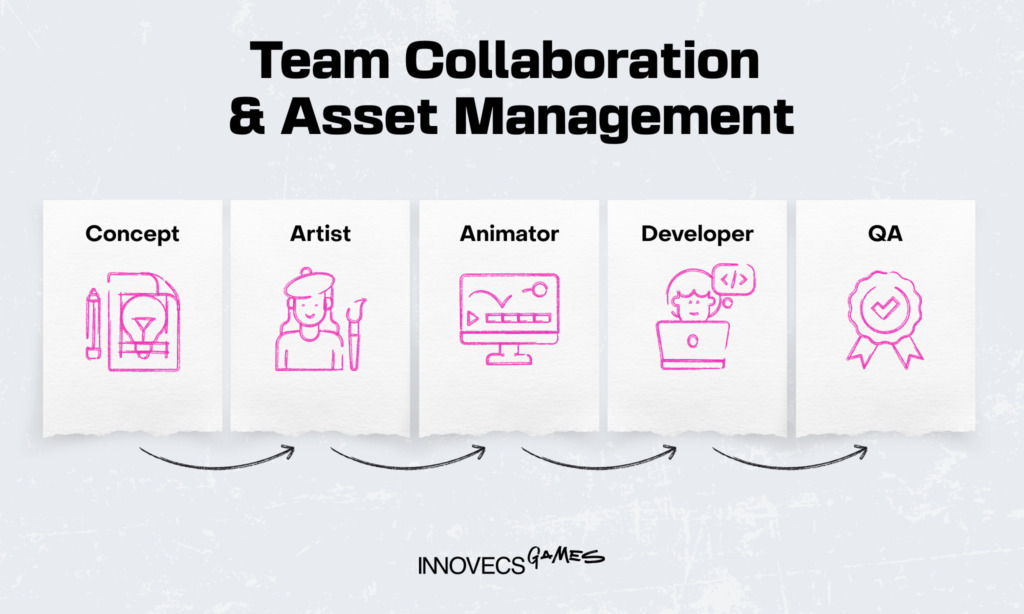
Collaborating with Teams
For team-based projects, effective collaboration is essential:
- Communication: Regular meetings and updates help keep everyone aligned on progress and expectations.
- Task Management: Tools like Trello or Jira streamline assignments and track project milestones.
- Feedback Loops: Establish clear processes for reviewing, approving, and refining assets to maintain quality.
Strong collaboration ensures cohesive game worlds and successful project outcomes.
What Studios Expect from Asset Creators
From a studio perspective, game asset creation is not just about producing visually appealing models or textures. It is a production discipline that directly affects timelines, budgets, performance, and overall product quality.
Producers and art directors evaluate asset creators based on how well they operate within structured pipelines, follow technical requirements, and support the broader goals of the project. The expectations below reflect what studios typically prioritize when scaling production or working with external teams.
Pipeline Awareness and Production Fit
Studios expect asset creators to understand where assets sit within the full development lifecycle. This includes:
- alignment with production schedules and milestones
- awareness of downstream dependencies such as animation, lighting, and level design
- understanding engine constraints and platform-specific requirements
Assets that are created with production context in mind reduce friction across departments and minimize rework.
Technical Readiness and Standardization
From a production standpoint, consistency and technical reliability are critical. Studios value asset creators who deliver:
- assets that meet agreed technical specifications and budgets
- standardized topology, UV layouts, and texture setups
- clean files that integrate seamlessly into game engines and internal tools
This level of readiness helps teams maintain velocity and avoid costly technical debt later in production.
Visual Consistency and Art Direction Alignment
Art directors prioritize creators who can execute within an established visual framework. This means:
- strict adherence to style guides and reference materials
- consistent scale, materials, and visual language across asset sets
- flexibility to adjust execution based on evolving art direction
Consistency at scale is essential for maintaining visual cohesion in complex game worlds.
Predictable Iteration and Review Cycles
Iteration is an expected part of professional production. Studios look for asset creators who:
- handle feedback efficiently and without disruption to schedules
- understand approval workflows and review stages
- can refine assets while preserving technical integrity
Predictable iteration cycles allow producers to plan confidently and manage scope effectively.
Cross-Team Communication and Collaboration
Asset creation rarely happens in isolation. Studios expect clear and proactive communication between asset creators and:
- art direction teams
- engineering and technical art
- production and QA
Strong collaboration reduces misalignment, accelerates decision-making, and keeps production on track.
Ownership, Accountability, and Delivery Confidence
From a B2B perspective, studios value partners who take responsibility beyond asset delivery. This includes:
- validating assets in-engine
- supporting integration and optimization when needed
- maintaining quality across revisions and updates
Ownership builds long-term trust and makes external asset teams reliable extensions of in-house production.
Why This Matters for Studios
Well-executed asset creation directly impacts production efficiency, technical stability, and final game quality. Asset creators who align with studio expectations help reduce risk, control costs, and support predictable delivery — all of which are critical for successful game development at scale.
Conclusion
Game asset creation is both a creative discipline and a production process that directly impacts timelines, performance, and overall game quality. From early concept development to modeling, texturing, animation, and optimization, each stage plays a role in ensuring assets are visually consistent, technically sound, and ready for integration into complex production pipelines.
For modern game studios, success depends not only on artistic execution but also on clear workflows, predictable iteration cycles, and effective collaboration across art, engineering, and production teams. Well-structured asset pipelines reduce risk, minimize rework, and allow teams to scale content creation without compromising quality or delivery schedules.
If your team is looking to streamline asset production, scale content creation, or ensure technical and visual consistency across projects, working with an experienced game art partner can help support your production goals. Contact us to discuss how we can assist with game asset creation and integration at any stage of development.