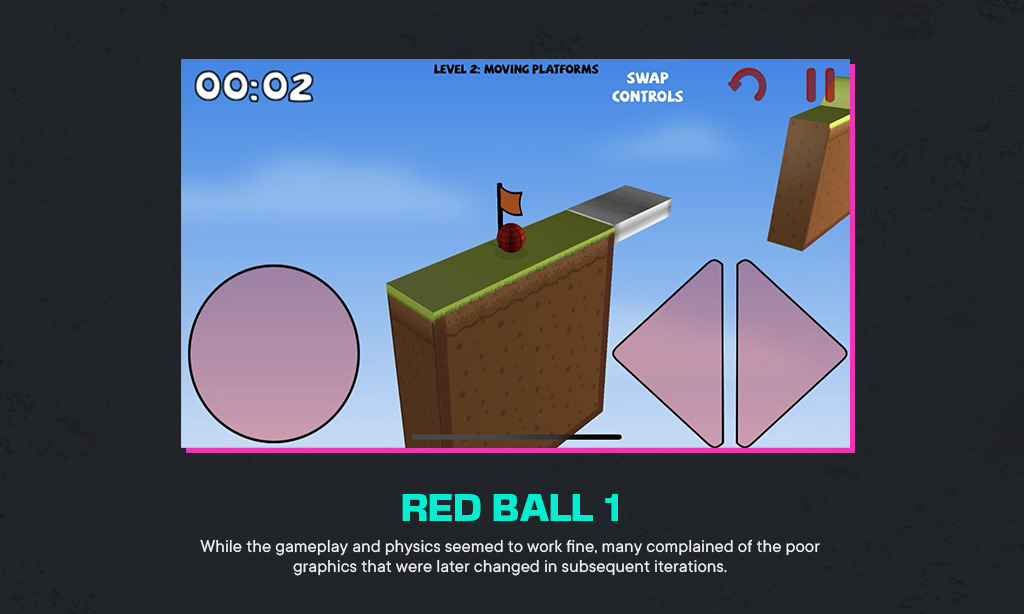
The success of a mobile game depends on how well it balances various design elements that work together to create an engaging experience. Among these elements, art, level design, and user experience are crucial to the success of a game.
Art and graphics are often the first things players notice about a game. A game’s visuals create an immediate impression and help establish the game’s identity. According to DeltaDNA, the initial impression of a game is crucial for retention, with most free-to-play games losing 20% of installs within two minutes of launching the application. To engage players quickly and easily, game sessions should be designed to be more engaging in the first hours of gameplay. Mobile game designers should prioritize creating a visually appealing and engaging experience from the outset to maximize player retention.
In mobile game design, different types of visuals can be useful for different stages of development and use. In a survey among consistent gamers, 79% stated that they pay attention to art style in video games, with 53% indicating that they make game choices based solely on art style. Different art styles in games impact players’ emotions and engagement. A visually appealing game not only attracts players but also increases their engagement and retention. A game’s art style should match its gameplay and narrative, creating a cohesive and immersive experience.
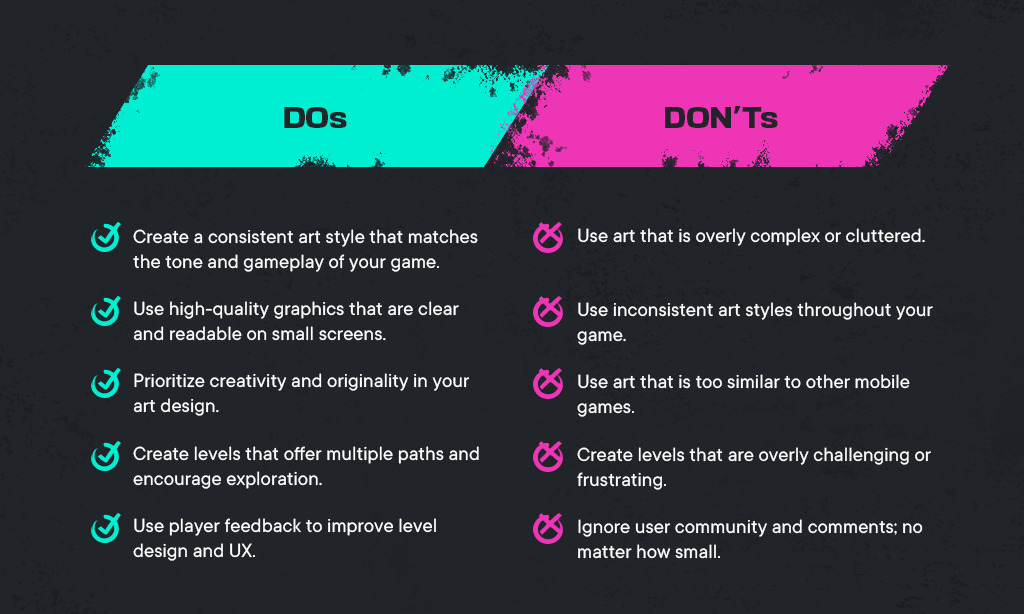
When designing your mobile game, keep the following in mind:
Level design plays an equally important role in crafting a good game. Levels should be challenging enough to keep players engaged but not so difficult that they feel frustrated. Well-designed levels offer a sense of progression and reward players for their achievements. Good level design should also encourage exploration and discovery, allowing players to interact with the game world in unique and exciting ways.

While there are no hard and fast rules for good level design, Dan Taylor utilizes Dieter Rams’ classic design principles to outline “Ten Principles of Good Level Design”. He emphasizes the importance of clear visual language, implicit storytelling, player empowerment, and efficient use of resources. The design should also be surprising, constantly teaching the player new things, and allowing players to control the difficulty.
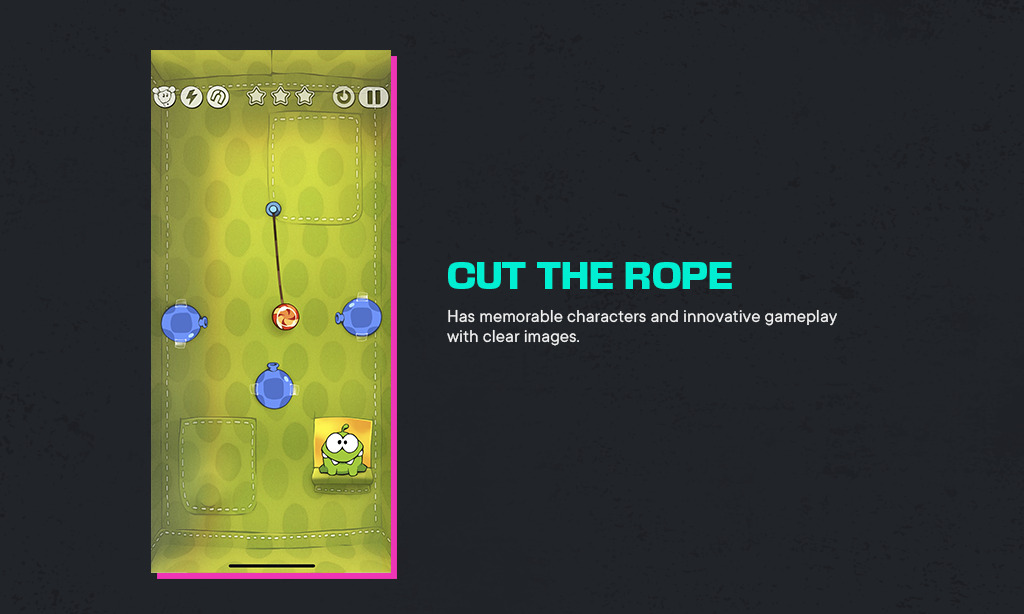
According to Rudolf Kremers, author of Level Design: Concept, Theory, and Practice, level design is the implementation of game design. It’s important to remember that level design is a dynamic and multifaceted process, influenced by various factors including designer expertise, game genre, target audience, and overall game objectives. By embracing thoughtful and deliberate level design practices, game developers can craft engaging and captivating gameplay for players.